
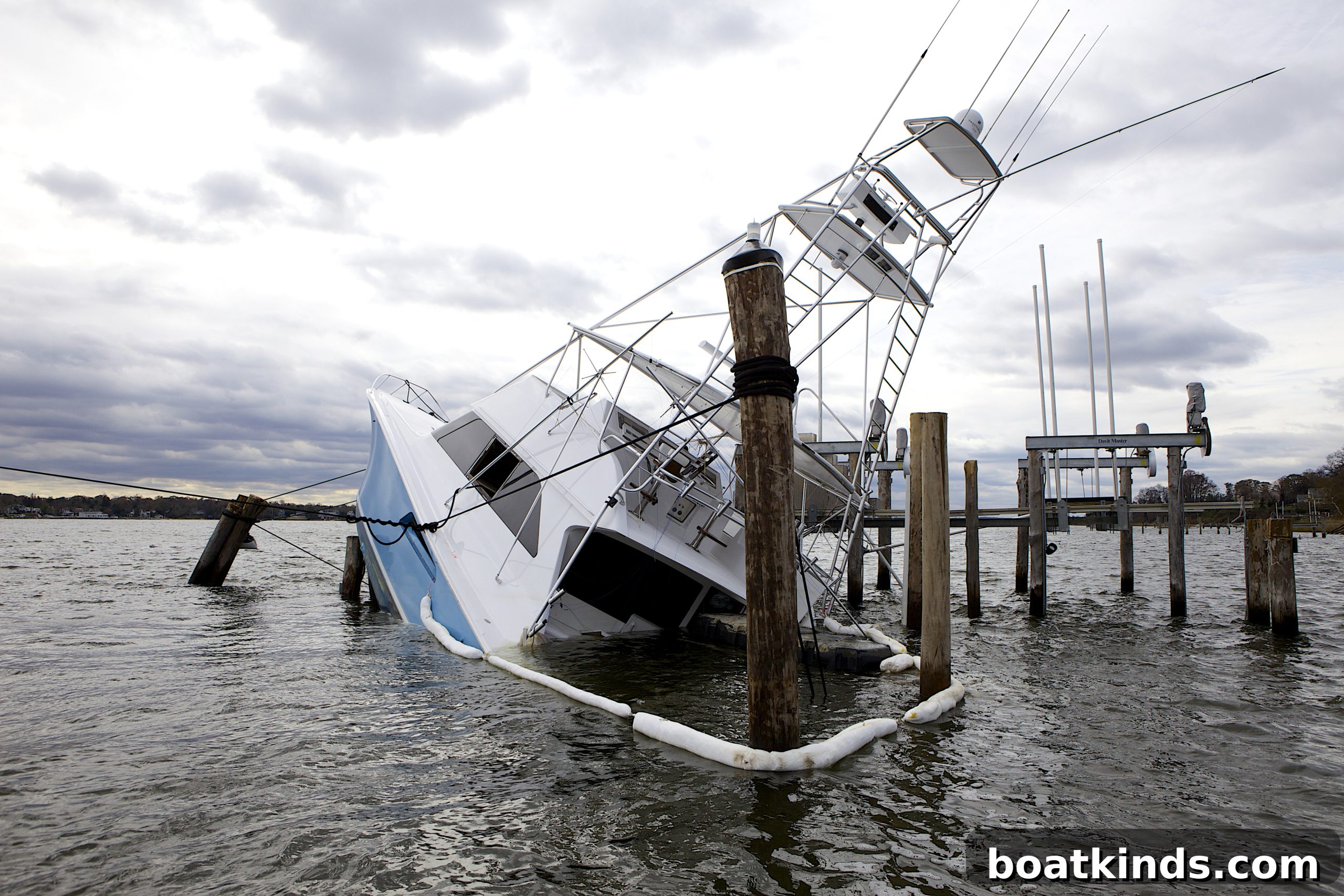
What to Do If Hurricane Florence Damaged Your Boat
As Hurricane Florence subsides and waters begin to calm, boat owners understandably start assessing the condition of their vessels. If your boat was in the path of the storm, it may have escaped with little or no damage, or it may have sustained anything from minor cosmetic issues to serious structural or mechanical harm. Whatever the situation, the steps you take immediately after the storm can protect your safety, preserve evidence for insurance claims, and limit further damage.
Prioritize Safety First
Before you do anything, make sure the area is safe. Do not board a damaged boat that is unstable, listing heavily, held by broken moorings, or surrounded by debris. Watch for downed power lines, leaking fuel, sharp objects, or contaminated floodwater. If you are unsure about safety, wait for professionals — local authorities, marina staff, or a qualified salvage team — to advise or assist.
Document Everything Before Moving the Boat
If it is safe to approach the vessel, document the condition thoroughly before rearranging or attempting repairs. Take clear, time-stamped photos and videos of all visible damage: hull breaches, deck and cabin damage, rigging, hardware, electronics, engine compartment, interiors, and items that are missing or displaced. Make detailed written notes about what you see, including the location, date, and any identifying numbers (hull identification number, registration, engine serial numbers). This evidence will be essential when filing an insurance claim or seeking disaster assistance.
Contact Insurance and Local Authorities
Notify your insurance company as soon as possible to report the damage and receive guidance on claims procedures. Keep a record of all communications, including names, phone numbers, times, and what was discussed. If the boat is a hazard to navigation, or if there are fuel or oil leaks, contact the harbor master or appropriate local authority so they can coordinate containment or removal to protect public safety and the environment.
Prevent Further Damage
Take temporary measures to limit additional harm, but only if it’s safe and recommended by your insurer or marina. This might include:
- Pumping water out of the bilge if the pumps will operate safely and the vessel is stable.
- Patching small holes temporarily, tarping exposed interiors, or securing loose gear to prevent loss in additional weather.
- Disconnecting batteries and securing fuel lines to reduce risk of fire, short circuits, or fuel spills.
- Removing valuables and personal items that could be stolen, water-damaged, or cause mold growth if left inside.
Avoid Common Mistakes
Do not start the engine if it has been submerged or if there is any indication of water in fuel, oil, or the intake. Starting a water-logged engine can cause severe internal damage. Avoid hasty repairs without documenting damage and getting insurer approval when required. Don’t tow or move a heavily damaged boat without consulting professionals; improper towing can cause further structural failure or environmental harm.
Inspect Systems Carefully
Once professionals or qualified technicians can safely inspect the vessel, have them evaluate:
- Hull integrity and seams for cracks, punctures, or delamination.
- Propulsion systems, propeller, shaft alignment, and engine internals for water intrusion or impact damage.
- Electrical systems for corrosion, short circuits, and compromised wiring.
- Fuel systems and tanks for contamination or leaks.
- Steering, rigging, and deck hardware for bending, breaking, or loosening.
- Interior structures, upholstery, and cabinetry for water damage and mold risk.
Work with Professionals for Salvage and Repairs
If your boat needs salvage or significant repairs, hire licensed and reputable professionals: surveyors, marine mechanics, boatyards, and salvage companies experienced in storm recovery. A professional survey will provide an objective assessment that supports insurance claims and ensures repairs are completed to safe standards.
Keep Records and Receipts
Keep copies of all estimates, invoices, receipts for emergency expenses, and correspondence related to the damage and repairs. If you incur immediate, out-of-pocket costs for temporary measures (towing, temporary storage, emergency patching), save every receipt; these may be reimbursable under your policy.
Plan for Mold and Long-Term Care
Water intrusion can lead to mold and mildew quickly in enclosed spaces. After the boat is stabilized and documented, begin thorough drying, cleaning, and decontamination as recommended by professionals. Replace contaminated cushions, insulations, or other porous materials when necessary. Consider long-term maintenance steps to prevent corrosion and structural deterioration caused by prolonged exposure to seawater or floodwater.
Stay Informed and Prepared for Future Storms
After you’ve managed immediate recovery, use the experience to update your emergency plan: review your insurance coverage, improve mooring or storage arrangements, create checklists for securing the boat ahead of storms, and maintain a digital archive of important documents and photos. These preparations can reduce stress and damage in the next event.
Recovering a boat after a hurricane can be stressful and complex, but prioritizing safety, documenting damage carefully, working with professionals, and keeping organized records will help protect your investment and speed recovery. Take it step by step, and don’t hesitate to ask for expert help when needed.