
Circumnavigating in Simplicity: The Halabisky Family and Their Gaff-Rigged Cutter

There is always more to learn about boats and the sea. In preparing this issue I picked up new anchoring tips from seasoned sailors, learned about the engineering behind modern outboard systems and reviewed historic incidents at sea. But the conversation that stayed with me was the one I had recently with Bruce Halabisky. His story illustrates how straightforward choices and determined seamanship can produce an extraordinary life at sea.
Bruce and his wife, Tiffany, live on Orcas Island in Washington. Several years after completing an 11-year circumnavigation in a traditional gaff-rigged cutter, the couple and their family were honored with the 2018 Blue Water Medal from the Cruising Club of America. The award, established in 1923 to recognize meritorious seamanship and adventurous amateur sailors, acknowledged their long voyage: three Atlantic crossings, visits to roughly thirty countries and more than 50,000 ocean miles under sail. Theirs was a family voyage in the truest sense—both of their daughters were born while they were underway.
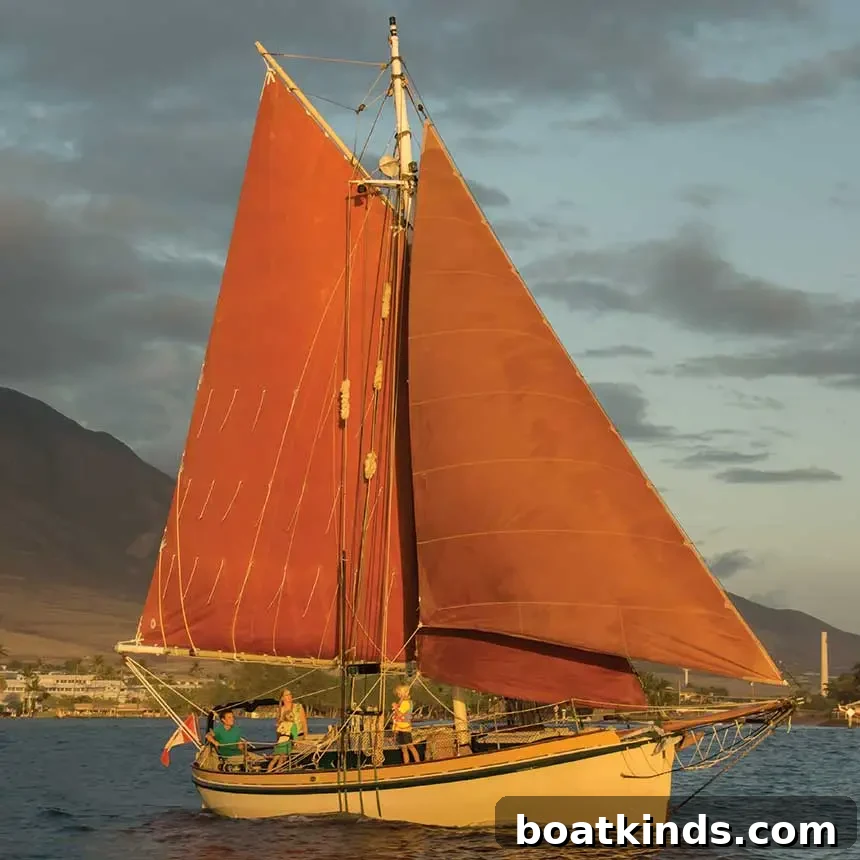
When asked about the recognition at a formal ceremony on the East Coast, Bruce admitted the choice surprised him. The committee told them the award was given in part because their 34-foot wooden cutter was so simple compared with modern cruising yachts. “We flew to the East Coast to accept the award at the New York Yacht Club,” he recalled. “It was incredible. We asked the committee why we were selected and they said our boat’s simplicity stood out. They couldn’t remember anyone in recent years completing a circumnavigation in this kind of vessel.”
The cutter, Vixen, was designed by John Atkin and launched in 1952 from the Joel Johnson yard in Bridgeport, Connecticut. Bruce described the boat as modest but seaworthy, and he took comfort in the vessel’s history: its original owners had already circled the globe in Vixen during the 1950s. “Knowing the boat had been through such long voyages before gave me confidence,” Bruce said. “When you’re setting out on a long passage you often tell yourself it’s only a new experience for you—the boat has done this already.”
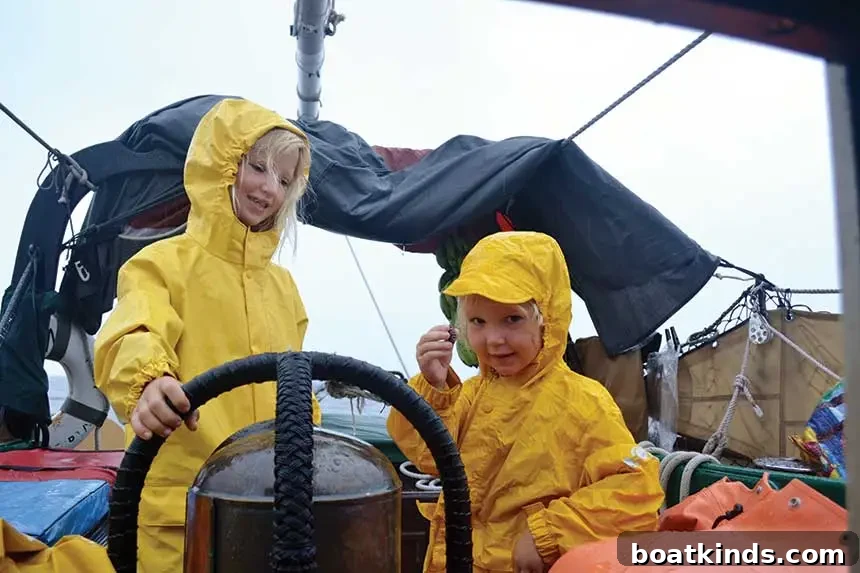
One of the clearest lessons Bruce shared was the power of simplicity—both in the boat and in the way the family chose to live. Financial discipline played a key role in making the circumnavigation possible. Before they left, Bruce and Tiffany eliminated consumer debt and adopted a strict budget while cruising, spending only on essentials such as food and routine maintenance. That decision made it possible to sustain a decade-long voyage without a regular income.
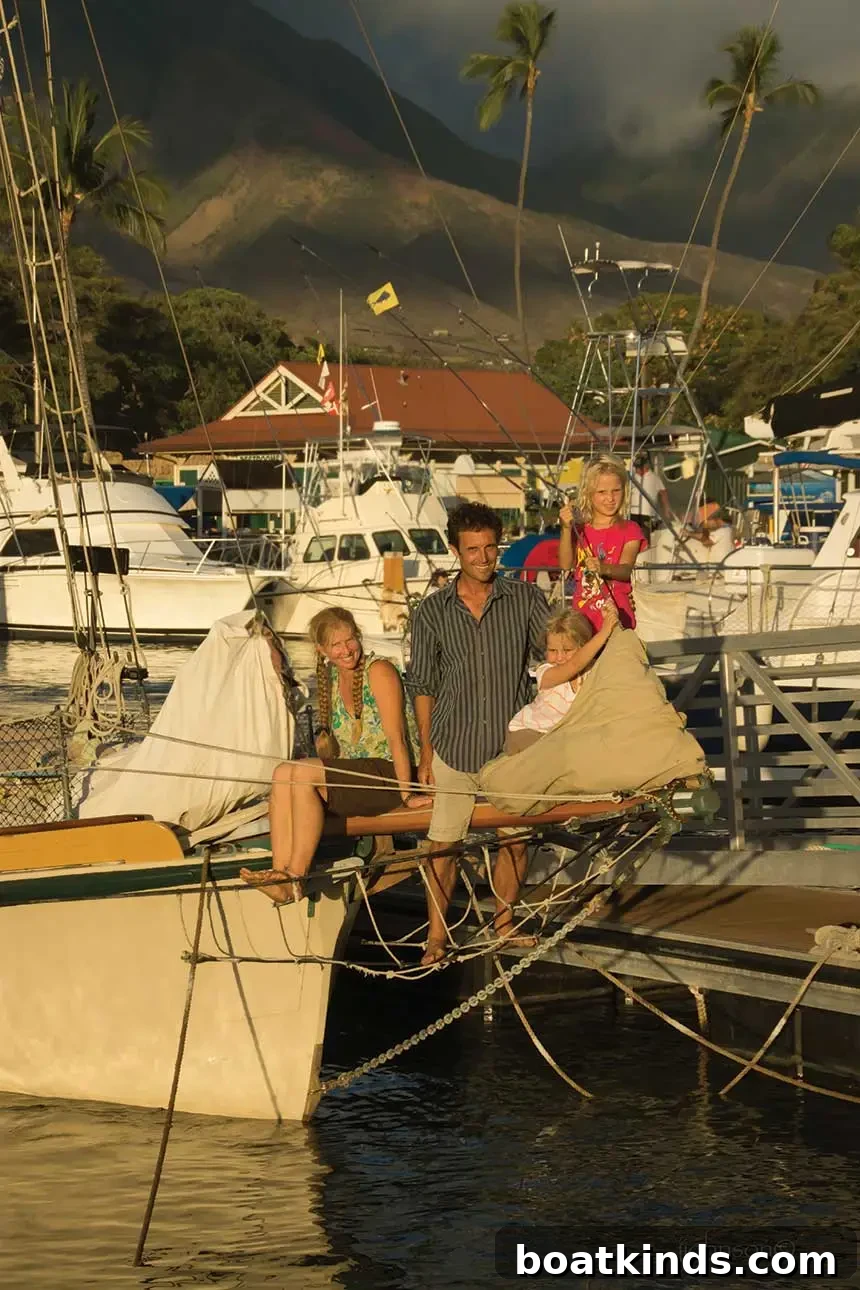
Life aboard was not a vacation; it was work, and it was often physically demanding. Bruce described daily tasks that people who have never cruised might not expect—hauling water cans from shore to boat, tending to the engine, repairing sails and managing food supplies. “When you carry water cans on your shoulders down to a boat, you come to appreciate every drop,” he said. That appreciation for the basics, and for the rhythm of time at sea, was part of what made the voyage rewarding.
Raising children on the water presented its own set of challenges and joys. Bruce and Tiffany adapted their lives to meet the needs of two daughters born during the voyage, learning to balance parenting with the demands of passagemaking and daily maintenance. The family’s story shows that long-term cruising can be compatible with family life when priorities are clear and routines are established.
Now back on Orcas Island, Bruce reflected on the trade-offs of their decision to cruise instead of pursuing a more conventional path of mortgage payments and retirement savings during those years. While acknowledging the financial considerations, he said the experiences and places they visited more than justified the choice. “It may be argued that we jeopardized our future by not saving or paying off a mortgage while we were away,” he said, “but when I think about the incredible places we’ve been and the life we lived, I don’t regret it.”
The Halabiskys’ story is a reminder that seamanship is not only about advanced technology or the largest boats; it can also be the steady, careful work of living well with less. Their voyage underlines the value of preparation, respect for a boat’s history, financial prudence and the rewards of slowing down to experience the world around you.
Jeanne Craig
[email protected]