
World’s First Ocean-Going Solar Superyacht Design Unveiled
Switzerland has long shown a strong interest in solar-powered marine technology, and the latest development from a Swiss firm underscores that momentum. In 2012, Swiss explorer Raphaël Domjan made headlines when the 102-foot MS Tûranor PlanetSolar became the first solar-electric vessel to circumnavigate the globe. That achievement helped demonstrate the practical potential of solar propulsion at sea and inspired further innovation in solar yachting.
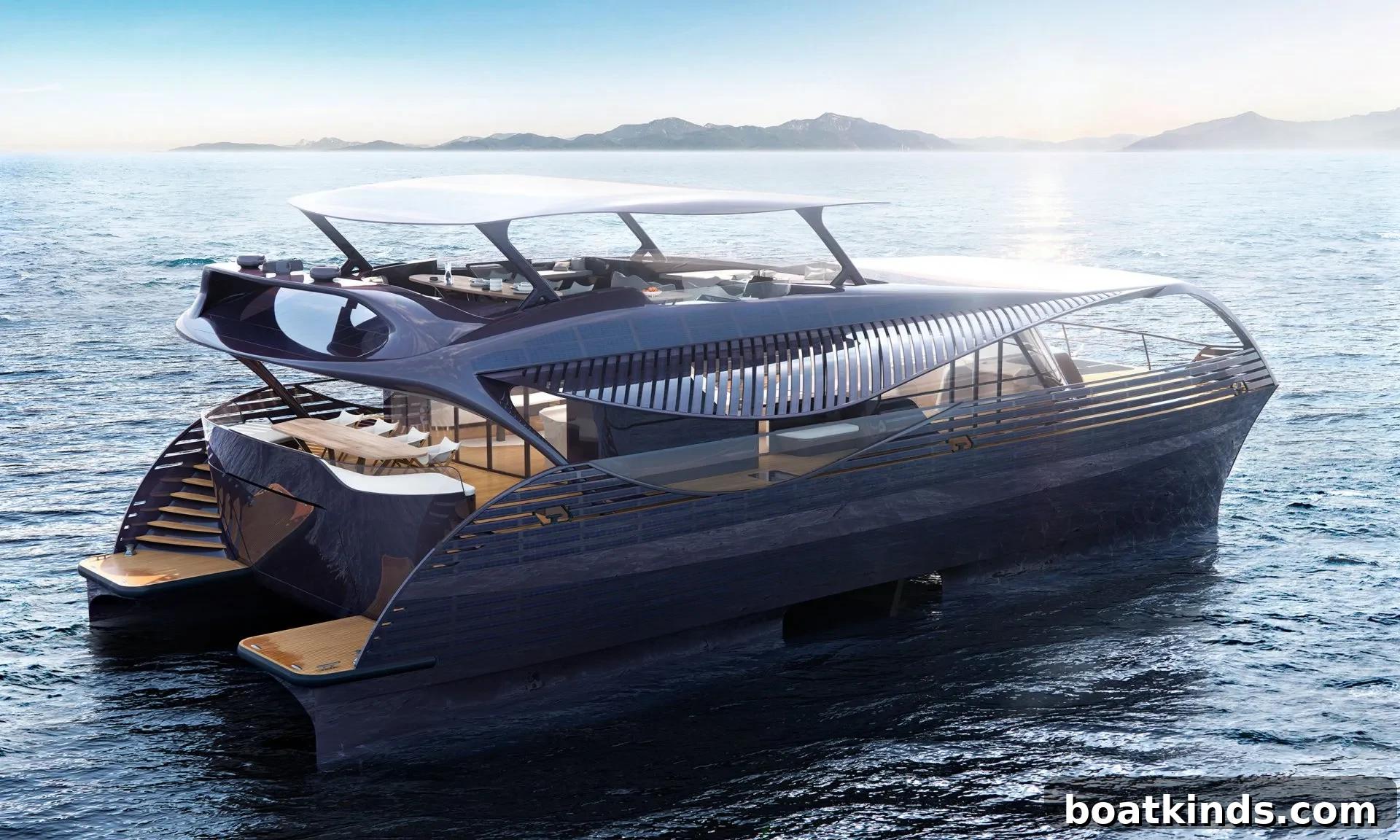
Building on that heritage, SolarImpact Yacht AG recently revealed what it calls the world’s first ocean-going solar superyacht design at the Cannes Yachting Festival. The concept blends advanced hull architecture with wide solar arrays to create a vessel intended for open-water cruising with minimal reliance on fossil fuels. The design targets owners and operators who want luxury and comfort alongside reduced environmental impact.
Design and Technology Highlights
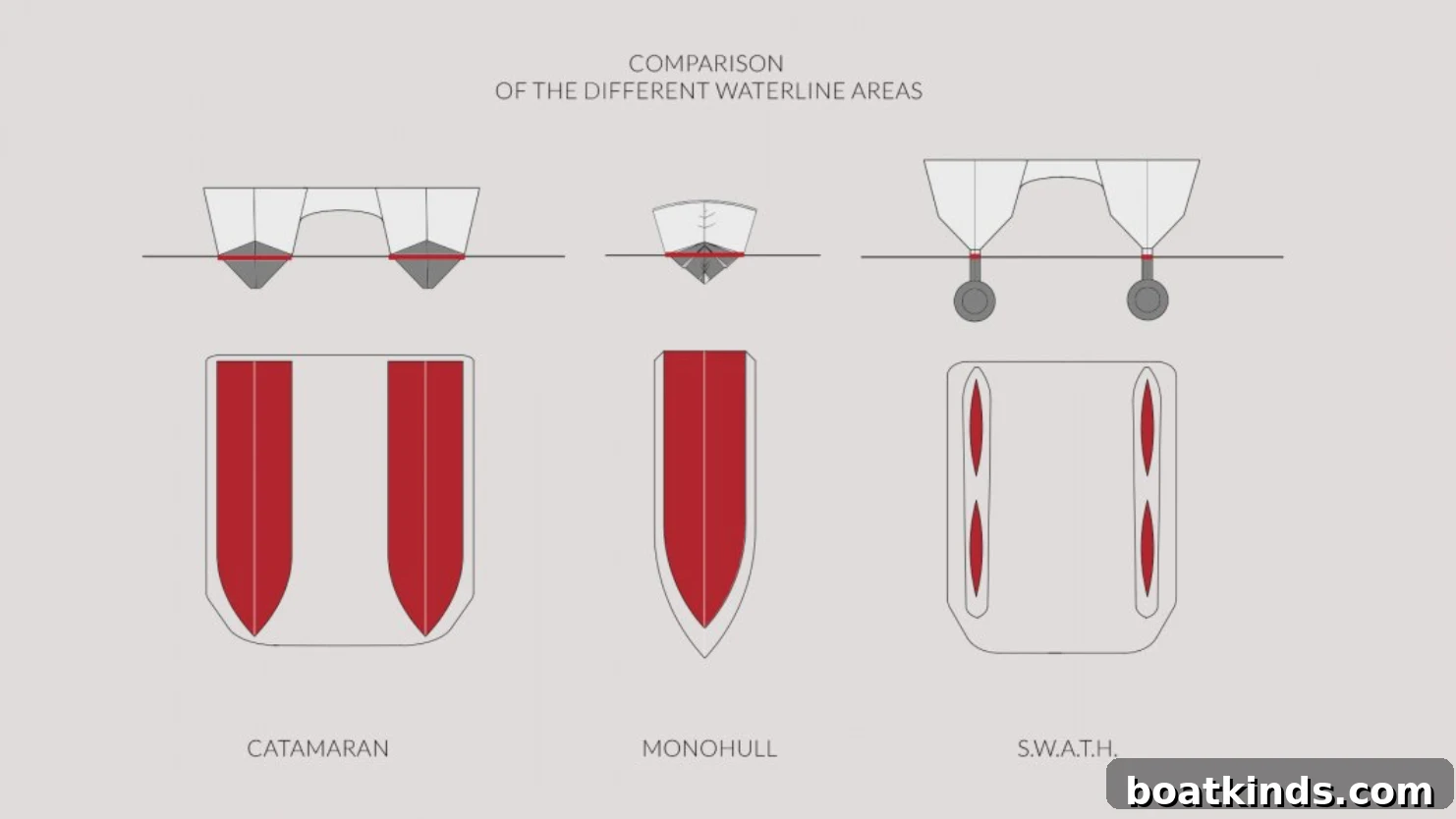
The proposed yacht measures 78 feet and is based on an aluminum SWATH configuration. SWATH, or Small Waterplane Area Twin Hull, uses torpedo-shaped underwater floats to support the structure while minimizing the area at the waterline. By reducing the waterplane, the SWATH concept significantly lowers the vessel’s response to waves, which in turn improves onboard comfort and reduces seasickness—an important consideration for ocean passages.
Solar panels integrated across the deck and superstructure supply power to electric propulsion and onboard systems. The design emphasizes energy efficiency and quiet operation, hallmarks of electric yachts. The choice of aluminum for the hull aims to balance strength, corrosion resistance, and weight, contributing to overall efficiency and durability in a saltwater environment.
Accommodation and Usability
Internally, the yacht is arranged across three levels and is planned to accommodate up to ten passengers in luxurious surroundings. The layout focuses on spacious public areas, comfortable staterooms, and panoramic views—features that are consistent with the expectations for a superyacht of this size. Notably, the concept is intended to be operable by a single crewmember, reflecting advances in automation, simplified systems, and ergonomic bridge design that reduce crew requirements without sacrificing safety or service quality.
Comfort, Performance and Environmental Advantages
One of the main selling points of a SWATH solar yacht is the combination of motion stability and low-emission propulsion. The torpedo-shaped underwater floats reduce the vessel’s reaction to waves, which enhances passenger comfort on longer passages and in rougher seas. Electric propulsion driven by solar energy offers near-silent operation and lowered emissions compared with traditional diesel engines, making the vessel attractive to environmentally conscious owners and operators.
While specific performance figures such as range, top speed, and battery capacity were not released with the concept reveal, the overall approach prioritizes efficient energy use, reduced operational noise, and comfortable onboard conditions. These priorities align with broader trends in yachting toward cleaner propulsion technologies and smarter vessel systems.
Market Context and Future Outlook
The unveiling of this solar superyacht concept reflects growing interest in sustainable luxury boating. As battery technologies, solar panel efficiency, and lightweight materials continue to improve, designs that combine renewable power with advanced hull forms become increasingly feasible for larger, ocean-capable vessels. Early adopters typically include owners focused on long-range cruising, eco-friendly operations, and unique technological features.
Although concept designs require further engineering, testing, and regulatory compliance before becoming production vessels, the SolarImpact proposal highlights how designers are rethinking traditional yacht architecture in favor of energy-conscious alternatives. This development follows a lineage of pioneering solar marine projects and demonstrates continued innovation in applying solar-electric systems to larger offshore yachts.
Overall, the design represents a compelling example of how sustainable propulsion, clever hull design, and thoughtful onboard planning can come together to create a comfortable, low-impact cruising experience for those who want to enjoy the sea with reduced environmental footprint.