
Practical Guide to Choosing, Using, and Maintaining a Boat
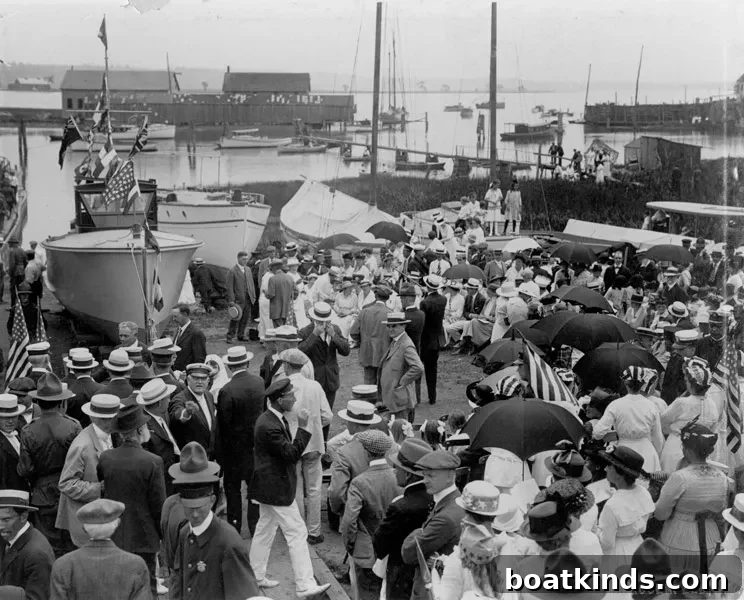
The photo above shows a recreational boat at rest. Whether you’re new to boating or looking to upgrade your knowledge, this practical guide covers essential considerations for selecting the right vessel, staying safe on the water, and keeping your boat in top condition. The tips below are designed to help owners and prospective buyers make informed decisions and enjoy boating responsibly.
How to Choose the Right Boat
Selecting a boat begins with defining how you plan to use it. Consider the primary activities you want to pursue—day cruising, fishing, watersports, overnight trips, or long-distance cruising. Size, layout, engine type, and onboard amenities should all match your intended use. Key factors to evaluate include:
- Purpose: Identify the main uses and choose a hull type and size that support those activities.
- Capacity: Confirm passenger and gear capacity based on how many people typically join you.
- Budget: Account for purchase price as well as recurring costs like insurance, fuel, storage, and maintenance.
- Local conditions: Consider the lakes, rivers, or coastal waters where you will boat—wind, waves, and depth can affect the best boat choice.
- New vs. used: New boats come with warranties; used boats can be more affordable but require careful inspection.
Essential Safety Equipment
Safety should be a top priority every time you head out. Regulations vary by region, but some universal safety items include life jackets for each passenger, a fire extinguisher rated for marine use, flares or visual distress signals, a sound-producing device (horn or whistle), and basic first-aid supplies. Make sure communication devices like a VHF radio or a fully charged mobile phone are available and stored in waterproof protection if necessary.
Pre-Departure Checklist
- Verify that all safety gear is onboard and in good condition.
- Check fuel and oil levels; top up as needed.
- Inspect the hull and thru-hulls for visible damage or leaks.
- Confirm battery charge and electrical systems are functioning.
- Review the weather forecast and local notices to mariners.
Routine Maintenance and Seasonal Care
Regular maintenance prolongs the life of a boat and prevents unexpected failures. Establish a simple maintenance schedule and keep records of repairs and servicing. Important maintenance tasks include engine servicing according to the manufacturer’s recommendations, inspecting and replacing worn lines and fenders, checking the bilge pump, and servicing the trailer if you transport the boat by road.
Seasonal care varies with climate. In colder regions, winterizing the engine, fuel system, and plumbing is essential to avoid freeze damage. In warmer climates, pay attention to sun protection for upholstery and electronics, and keep the hull clean to prevent algae and barnacle buildup.
Storage and Transport
Proper storage protects your investment. Options include covered marina slips, dry stack storage, boat sheds, or trailer storage at home. When storing on a trailer, ensure the boat is well-supported and secured. For transport, inspect the trailer lights, brakes, and hitch before each trip and verify the load is balanced and tied down correctly.
Environmental Responsibility
Boaters should minimize their environmental impact by following best practices: dispose of waste properly, avoid overuse of antifouling paints with harmful compounds, maintain engines to reduce emissions and fuel spills, and respect wildlife and sensitive habitats. Small actions like using biodegradable cleaning products and refueling carefully help protect waterways for everyone.
Learning and Community
Take advantage of local boating courses, safety training, and hands-on instruction to build confidence and competence. Joining a boating club or community group can provide valuable local knowledge, shared resources, and opportunities to learn from experienced boaters.
Conclusion
Choosing and caring for a boat involves planning, safety awareness, and ongoing maintenance. By clarifying how you’ll use the boat, preparing with the right safety gear, following a routine maintenance schedule, and practicing environmental stewardship, you’ll increase enjoyment and reduce unexpected problems. Use the image above as a reminder to inspect your craft regularly and approach every outing with safety and preparedness in mind.