
Coast Guard Rescues Olive Ridley Sea Turtles Entangled in Fishing Nets
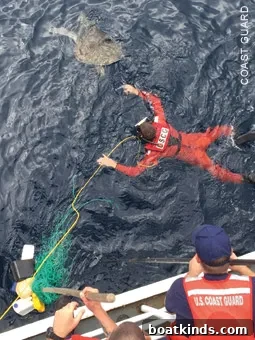
The Coast Guard cutter Alert was conducting a routine drug patrol in the Pacific waters off Central America when the crew encountered two olive ridley sea turtles trapped in discarded or lost fishing nets. The unexpected rescue offered a dramatic interruption to the cutter’s mission and a rare up-close experience with marine wildlife for the crew.
May 2015 issue
The Encounter and Immediate Response
The cutters on patrol must be ready for a wide range of situations, and on this day the Alert’s crew had to shift from law-enforcement tasks to a life-saving wildlife rescue. When the turtles were spotted entangled in nets, the crew quickly assessed the scene, ensuring the safety of both the animals and the people who would enter the water. Coast Guard sailors prepared the necessary equipment and coordinated to free the turtles from their bindings.
A Sailor’s Perspective
Seaman Brandon Groshens described the experience as something completely unexpected. “Jumping into the ocean to free a couple of sea turtles is not something you wake up in the morning expecting to do,” he said. His recollection emphasizes the remarkable and spontaneous nature of the rescue: the crew reacted with professionalism and empathy, and then watched the turtles swim away once freed.
Why These Rescues Matter
Although the Alert was on a mission focused on maritime law enforcement, the crew’s actions demonstrated how Coast Guard personnel often respond to emergent environmental and wildlife situations encountered at sea. Freeing entangled animals prevents further injury and can mean the difference between life and death for marine creatures. For the sailors involved, witnessing an animal swim away after being liberated provides a powerful, immediate sense of accomplishment.
Practical Challenges at Sea
Rescuing entangled sea turtles involves practical challenges. Crew members must carefully approach and disentangle the animals while avoiding harm to the turtles or themselves. The process requires patience, coordinated effort, and basic knowledge of how to handle marine wildlife safely. On board the Alert, the crew’s quick thinking and teamwork allowed them to address the situation successfully.
Reflections and Final Moments
After the rescue, the crew watched as the two olive ridley sea turtles swam away, freed from their entanglement. “It was a really great feeling as they swam away, knowing that we saved their lives,” Groshens said. That moment captured the personal impact of small but meaningful conservation actions performed by servicemembers who often encounter unexpected duties while carrying out their primary missions.
Conclusion
Incidents like the rescue by the Coast Guard cutter Alert remind us that maritime operations can intersect with environmental stewardship. Though the cutter’s primary role that day was law enforcement, the crew’s initiative to free the turtles illustrates a broader commitment to preserving life at sea. Their quick response not only saved two turtles but also highlighted how vigilance and compassion at sea can have an immediate, positive outcome.