
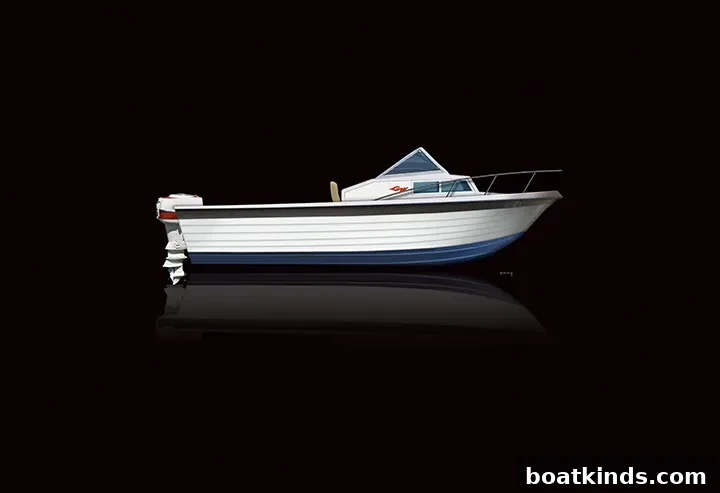
Grady White 204-C: A Classic Walkaround That Became a Bestseller
Since 2012, the magazine Soundings has celebrated a single classic boat in every issue. Each feature pairs a finely detailed drawing by Jim Ewing with an evocative, informed description by Steve Knauth. Those regular features have introduced readers to a wide range of timeless designs, and during the holiday season the magazine steps back to showcase a curated selection from its archives. For readers who like to daydream about the water during long winter nights, a dozen of those classics make for excellent company — and among them is the Grady White 204-C, a walkaround that proved popular with boaters and became a bestselling model for its builder.
The Grady White 204-C represents a design approach that appeals to a broad audience: it blends practical fishing capability with family-friendly comfort and manageable size. Walkaround models like this are prized for the ease of moving around the deck, the protection they offer in a modest cabin, and the versatility to handle both short overnight trips and full days on the water. For many owners, that balance between utility and comfort explains why a model becomes a long-running favorite.
What makes the 204-C resonate with so many boaters is its straightforward, no-nonsense layout. A compact cabin provides shelter and a place to rest during longer excursions while the open cockpit and walkaround side decks give anglers and passengers room to move and work. Owners often cite confidence in handling, clear sightlines for docking and fishing, and a sensible use of available space as key reasons they selected this style of boat. These qualities combine to create a boat that fits a wide variety of weekend plans, from family cruising to offshore or inshore fishing.
Designs that earn the term “classic” usually do so for reasons beyond pure aesthetics. They tend to embody practical solutions that stand the test of time: balanced hulls, sensible ergonomics, and layouts that anticipate real-world use. The Grady White 204-C became a best-seller in part because it answered common needs without unnecessary complication. Boaters looking for reliability, ease of maintenance, and a boat that can perform multiple roles often find that a well-executed walkaround delivers exactly that.
Seasonal features like this one are also a reminder of how boats connect to memories and aspirations. During the shorter, colder months many enthusiasts revisit past purchases in their minds, plan future upgrades, or make lists of new models to consider when spring launches arrive. Displaying a dozen classic designs together highlights the diversity of choices available across eras and builders, and it’s a useful exercise for anyone thinking about the kind of boating experience they value most.
For readers who want to learn more about the 204-C and other classic designs, Steve Knauth’s original write-up combines historical context with practical observations about how these boats lived in daily use. Those narratives are valuable because they capture both the technical strengths of a design and the human stories that give a boat its character — the family outings, the memorable fishing trips, and the seasons of ownership that shape how we remember a particular model.
Whether you are an experienced owner, a weekend cruiser, or someone just beginning to explore the boating world, classics like the Grady White 204-C offer clear lessons. They demonstrate that successful boat design is often about thoughtful compromise: delivering enough cabin comfort for an overnight, enough cockpit space for serious fishing, and a hull that is manageable and forgiving in a variety of conditions. Those are traits that remain relevant no matter how new or advanced modern boats become.
As you browse the twelve featured classics this holiday season, consider what matters most to your boating lifestyle. Do you value overnight shelter, roomy deck space, ease of handling, or simple maintenance? The answers will help guide you to designs that will feel like companions through many seasons. And for those interested in the detailed histories and descriptions, the original feature by Soundings and its contributors remains a good place to start.