
The aptly named Ego semisubmarine is a compact, two-person electric submersible designed to offer an intimate underwater viewing experience. The craft features a small pressurized “cabin” located beneath twin floats, with 20 mm-thick acrylic windows that provide a clear view of the marine environment from below the surface. Passengers enter the cabin through a topside hatch, then sit side-by-side in the enclosed space for the duration of the dive.

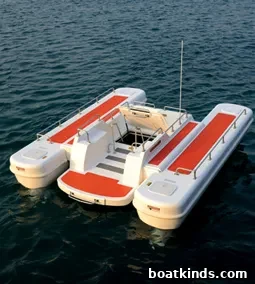
Built in South Korea, the Ego semisubmarine is powered by an electric propulsion system and is controlled from inside the cabin. Its quiet electric drive helps minimize disturbance to marine life and creates a peaceful viewing environment for occupants. With a top speed of approximately 5 knots, the vessel is optimized for slow, steady cruises that prioritize visibility and comfort rather than speed. The manufacturer has indicated the boat can sustain several hours of underwater viewing—around four hours under typical operating conditions—making it suitable for short excursions, private sightseeing tours, and reef observation.
Design highlights include the dual-float arrangement that improves stability at the surface and the thick acrylic viewing panes that balance optical clarity with structural integrity and safety. The cabin’s compact layout focuses on ergonomics for two people, while the helm inside the cabin places control within easy reach of the operator, enabling direct management of propulsion and steering without exiting the vessel. Entry through the topside hatch keeps the interior dry and sheltered when the semisubmarine is surfaced, and seals and fittings are engineered to maintain the cabin environment during submerged segments of a trip.
Although precise retail pricing had not been announced at the time the Ego was displayed at the Miami International Boat Show, the model demonstrates a growing market interest in electrically powered personal submersibles and semisubmarines aimed at leisure operators, eco-tourism providers, and private owners seeking unique marine experiences. The electric powertrain supports low-maintenance operation and aligns with environmental priorities for reduced emissions and quieter operation in sensitive coastal areas.
Potential uses for a craft like the Ego include guided coastal sightseeing, short scientific observation missions, educational demonstrations, and private recreational outings. Its small size and relatively modest operating speed favor nearshore deployments and sheltered-water use, such as bays, coves, and calm reef environments. The two-person configuration makes it ideal for couples or an operator with a single passenger; operators considering commercial use would likely evaluate passenger comfort, ingress/egress procedures, and regulatory compliance in their jurisdiction.
Safety considerations for semisubmarines of this type typically focus on hull and window strength, reliable hatch seals, emergency surfacing capability, redundant power or ballast systems where applicable, and clear occupant procedures. The Ego’s 20 mm acrylic windows are a notable feature intended to provide both a broad field of view and the necessary structural resilience for repeated surface-to-shallow-submerged operations.
As the market for small submersibles expands, buyers and operators are weighing factors such as battery endurance, charging infrastructure, maintenance requirements, and local regulations governing submersible operation. The Ego’s combination of a compact, purpose-built cabin, electric propulsion, and an emphasis on underwater viewing positions it as an interesting entry in the slowly growing niche of accessible personal semisubmarines.
This article originally appeared in the May 2012 issue.
www.raonhaje.com