
Living Aboard with Jack Russells: Life on Bossanova
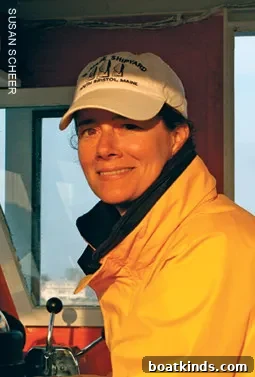
When I moved aboard a boat more than a decade ago, I didn’t know whether Heck and Samba would take to life at sea. I needn’t have worried — both dogs embraced the change because adventure is simply part of being a Jack Russell terrier. Still, adapting our routines and keeping them safe on a small boat presented its own lessons and rewards.
Our boat, Bossanova, was compact but characterful. She had a raised pilothouse, dry stack exhaust and a deep, satisfying chug underway. With plenty of freeboard and open deck space, she was fun to handle but required constant vigilance. Concerned they might slip off the stern while I was focused on the helm, I tried life jackets at first. The boys chewed through the straps within minutes, so I improvised netting between the pilothouse and side decks to keep them from wandering toward the stern. Even then, Heck loved to perch on the toe rail, thrusting his chest and face into the wind in a full-on “Titanic” moment — proud, fearless and thoroughly adorable.
It’s a common misconception that every dog is a natural swimmer. Samba never cared for swimming, though he could do it instinctively when needed. Heck, by contrast, surprised me: he sank like a stone the first time he fell in. One evening at the dock, as the sun set and the moon rose, I heard a sudden splash and found Heck in the water. I managed to pull him out, and it was painfully clear he had no innate knack for righting himself or paddling effectively. So I started teaching him, supporting his belly so his legs could learn the motion. Within a few sessions he was paddling confidently, though turning remained comically awkward — he would swim far out, then make a slow, sweeping arc back to shore. It was equal parts heart-stopping and hilarious.
There were moments when I questioned whether I’d done the right thing selling our house and living aboard, and most of those doubts centered on the dogs’ comfort. Docking was one of those nerve-wracking times: I liked to leave the pilothouse doors open for quick access when handling lines, and crowds often gathered to watch Bossanova glide in. If docking required my full attention, the dogs would choose precisely then to launch themselves onto the dock as if fleeing a sinking ship. The sympathetic “awws” from onlookers and the occasional dirty look aimed at me made it painfully obvious I needed better routines for their safety.
On one memorable trip to South Carolina to upgrade our batteries, Heck slipped off again as we approached shore. I searched frantically around the yard until, covered in mud, a small piglet-like shape trotted up to the boat with a familiar wagging tail. It was Heck, filthy but unharmed — and very glad to be back on board.
Storms introduced another layer of vulnerability. When weather turned rough, Heck and Samba would huddle together in the pilothouse, shivering and nauseous, their beards damp with fear. I was often at the helm and unable to comfort them, which made me feel like a negligent owner despite knowing I was doing everything to keep us safe. During those hours I imagined them longing for a small yard and a steady house that didn’t roll with every wave.
We did return to a shore-based home eventually, but the dogs’ reaction every time we revisited Bossanova made it clear they retained fond memories. They loved the simple pleasures of boat life: morning sun through the portholes while the NOAA weather report came on, breakfasts in the saloon, long evenings on deck watching the sunset and listening to the gulls, and falling asleep to the soft lap of water against the hull. Those routines defined our days at sea and became shared memories that mattered as much to me as to them.
I’ll never fully know whether Heck and Samba loved living aboard as much as I did, but I’m convinced they cared about what made me happy. Samba, now 15, is blind, deaf and stiff with age, yet still lights up at treats with puppy-like enthusiasm. Heck, 14, has slowed from daredevil to comfort-seeker and spends long hours tucked under the duvet. They didn’t navigate, tie off to cleats or fix the captain’s snacks, but they were constant companions on the biggest adventure of my life. Their presence made the risks tolerable and the moments magical, and I couldn’t imagine that chapter without them.
This article originally appeared in the June 2016 issue.