
Why Bluefish Remain One of the Most Thrilling Inshore Game Fish
Over decades on the water I’ve hooked, fought, boated, beached, gaffed, unhooked, revived, released, bled, filleted, skinned, gutted, scaled, weighed, photographed, iced, toted, sorted, netted, stacked and otherwise handled an astonishing number of bluefish. I’ve landed them one at a time and in triple-digit hauls, from fry-sized four-inch schoolies up to a true bruiser of 23 pounds. I’ve taken blues on almost every gear type you can imagine — rod and reel, hand line, gillnet and otter trawl — so they’re the species that has passed through my hands more than any other.
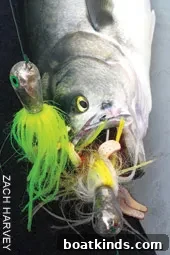
It would be understandable if I recoiled at the sight of them now, given those countless encounters. Yet I still have a deep respect for bluefish — for their raw power, their adaptability and the relentless energy they bring to a fight. I’ve had my share of rough moments: I’ve been bitten, I’ve filleted hundreds of blues in a single night during busy seasons, and I’ve wrestled bass out of rips that were absolutely crowded with yellow-eyes and eels. Bluefish are messy, intense and unforgettable.
I grew up fishing during the striped bass moratorium, which shaped the way I learned to fish. With stripers in decline, my fishing education came from fluke, scup, tautog — and bluefish. I devoured everything I could find about chasing blues, dreaming of connecting with a 14- or 16-pound fish that felt like a legend to a 10-year-old. I landed 5- and 7-pounders, lost a few true monsters, and learned the names of plugs and chrome spoons pinned to bait shop walls.
Whenever I scanned the water, my eye went to every ripple and discoloration, searching for the small patches of menhaden — the “pogies” that often signal a chance at a big blue. The moment I finally hit my first blitz of choppers, that boyhood curiosity hardened into obsession. Nighttime runs on party boats opened my eyes to lights-out fishing, and I quickly signed on to work those trips whenever I could.
The Rise of Stripers and the Fall from Favor
As striped bass rebounded in the years after the moratorium, the public and the charter industry shifted their attention. Advances in GPS, drift-fishing techniques and live-lining made even very large stripers accessible to relatively inexperienced anglers. The striped bass comeback brought bag limits and a new mindset of “limiting out,” especially appealing to charter operations that measured success by the number of fish in the box. Bluefish, oily and often seen as less desirable at the table, became an afterthought.
Many live-bait skippers began to regard blues as second-rate — a perspective that filtered down to clients and spread through the recreational community. That attitude is ironic: bluefish are some of the fiercest inshore fighters you’ll encounter. Remove culinary preferences from the equation and evaluate them purely as game fish, and blues rank high among inshore brawlers. Where stripers deliver powerful initial runs and mass, a big blue brings both speed and endurance, tail-driven bursts and repeated attempts to free itself. They run, they slash, they jump and they thrash, often fighting hard all the way to the boat.
I’ve seen big solitary blues behave contrary to the stereotype of indiscriminate, mindless choppers. I’ve mistaken them for much larger stripers when they explode off the strike, and I’ve nearly passed out when giant choppers launch themselves airborne to slammer a pencil popper along a rip. Like the best quarry, bluefish are full of surprises and relentless in their bid for freedom.
It’s a shame that modern anglers measure success largely by fillets in the cooler. A six-person striper limit can deliver a hefty amount of table-ready fish, and that practical reward has nudged many anglers to favor bass over blues. But for those who still value the fight, the unpredictability and the adrenaline, bluefish remain one of the most satisfying targets in coastal waters.
Zach Harvey is fishing editor for Soundings.
December 2014 issue