
Amphibious Boats and Submersible Yachts: When Land Vehicles Become Sea Craft
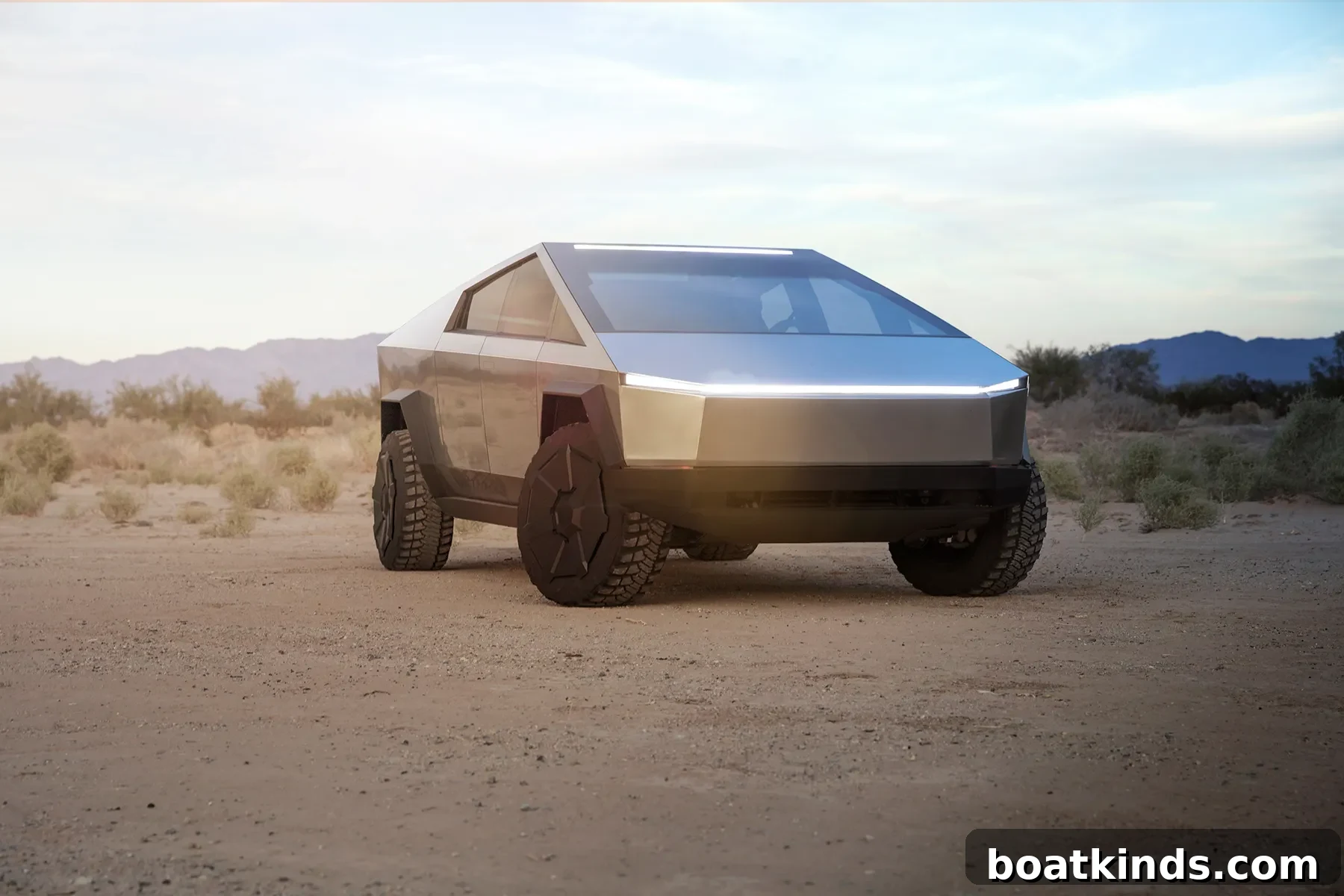
In late September, Tesla CEO Elon Musk tweeted that the Cybertruck — an electric pickup expected to enter sales in 2023 — “will be waterproof enough to serve briefly as a boat, so it can cross rivers, lakes and even seas that aren’t too choppy.” The provocative claim prompted a swift response from the Washington State Department of Natural Resources, which posted a photo of a sinking four-door sedan and cautioned: “Our derelict vessel crews are begging you to understand that anything that ‘serves briefly as a boat’ should not be used as a boat.”
The exchange highlights a growing trend in recreational boating and marine design: amphibious vehicles and transformable vessels are moving out of concept art and onto real-world show floors. From wheeled vehicles that can traverse sand and water to luxury submersibles that retract their decks and dive, these innovations are reshaping expectations about what boats and yachts can do.
Amphibious vehicles are not new — the idea has existed for more than a century — but technological advances over the past several decades have renewed interest and practical possibilities. One early, influential design was the World War II DUKW, the six-wheel amphibious truck that moved supplies from ships to shore. Today’s civilian amphibious boats and cars combine modern hull engineering, electric propulsion and automated systems to offer genuine utility rather than gimmickry.
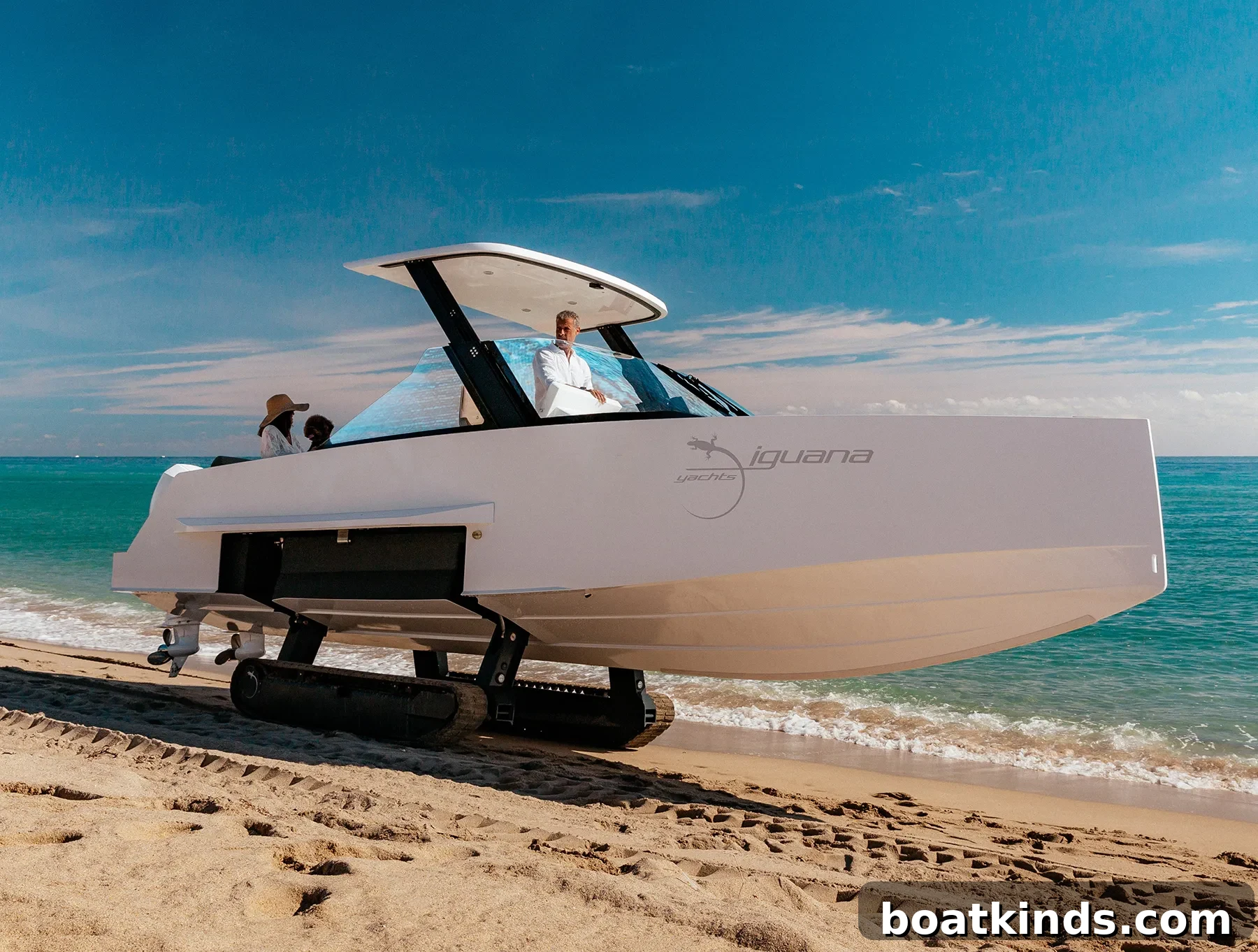
At major boat shows, companies are presenting polished amphibious models with hulls and accommodations that can compete with conventional center-console boats. French builder Iguana Yachts revealed its Iguana Foiler at the Cannes Yachting Festival, showcasing an amphibious, electric 32-foot vessel capable of climbing onto sand and parking. Marketed as “the boat that sails, flies and goes on land,” Iguana’s design blends amphibious functionality with the creature comforts buyers expect from motive leisure craft. Iguana Yachts has been producing amphibious boats since 2008 and offers multiple configurations, from commuter models to sport and limo variants.
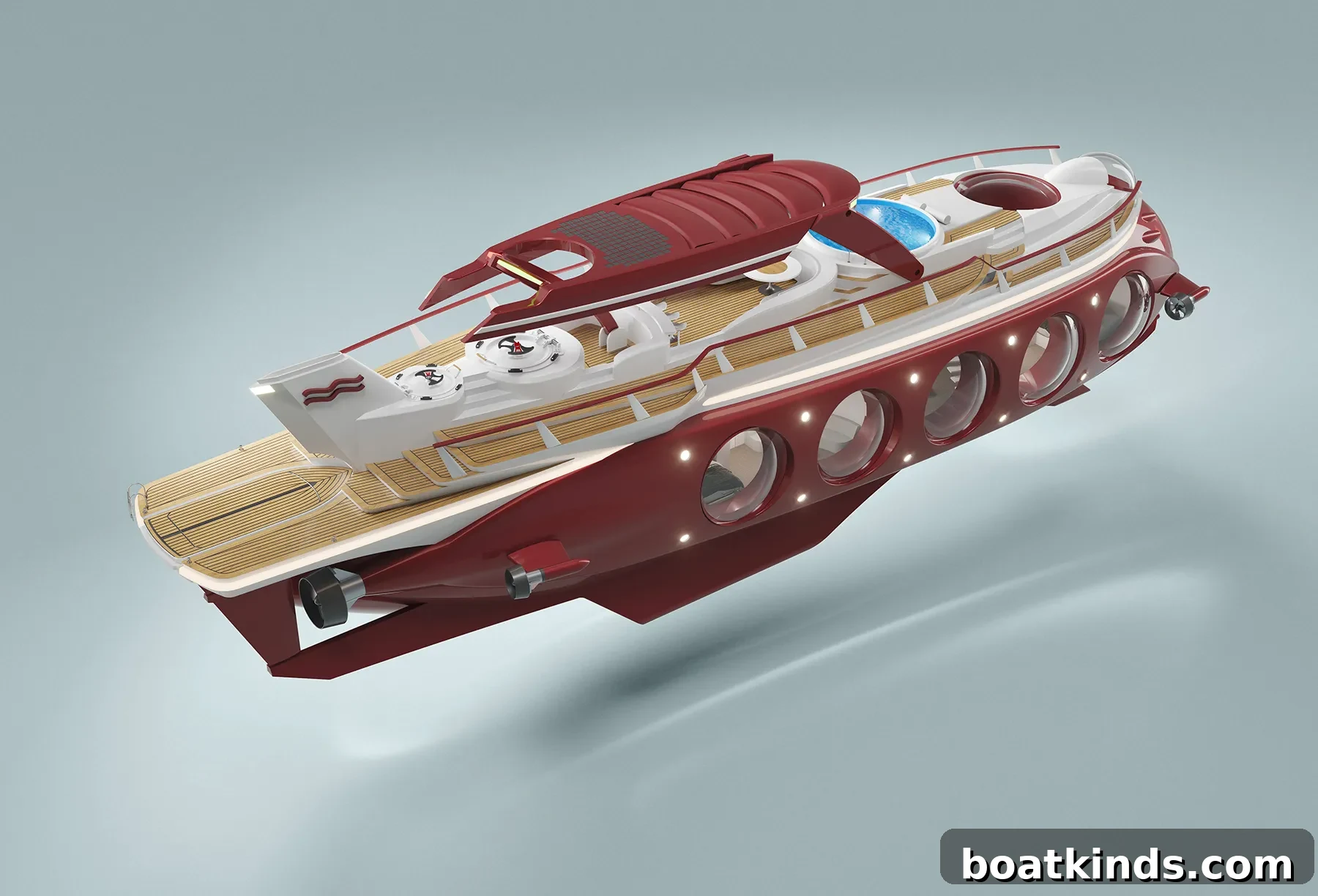
Meanwhile, the line between yachts and submersibles is blurring. Dutch firm U-Boat Worx used the Monaco Yacht Show to present its Nautilus concept: a 123-foot underwater superyacht that combines an expansive sundeck — complete with a freshwater pool, bar and dining area — with a certified private submersible hull that retracts and descends below the surface. U-Boat Worx positions the Nautilus as a modern realization of longstanding ambitions to blend luxury yachting with dive capability.
The Nautilus concept is rooted in established engineering: U-Boat Worx began building personal submersibles in the mid-2000s and has evolved its designs over time. The company reports that a Nautilus could be delivered within a set timeline after contract signing and describes expected surface and submerged performance parameters. These kinds of concrete engineering milestones suggest that at least some high-concept vessels are achievable, not merely imaginative exercises.
At the other end of the spectrum are enthusiast-driven add-on ideas. Cybertruck owners and third-party inventors have proposed aftermarket conversions such as the Cybercat and Cybercat Foiler — folding inflatable pontoons, outboard motors and hydrofoils that would attach to the vehicle to enable water operation. Proponents say such kits could offer maneuverability around docks and, with hydrofoils deployed, reach significant speeds on the water. Inventors like Anthony Diamond present performance estimates and attempt to partner with OEMs to bring these hybrid concepts to market, though practical and regulatory hurdles remain.
Whether developed by established yacht builders, submersible manufacturers or inventive aftermarket designers, these projects raise common questions about safety, certification and real-world utility. The Washington State Department of Natural Resources’ pointed reminder about derelict boats underlines the importance of designing for seaworthiness and regulatory compliance, not just novelty.
Fiction has long inspired engineering, from Jules Verne’s visionary tales to modern science fiction. Now, after roughly 150 years of incremental technological progress, several ideas that once seemed purely fantastical are approaching practical reality. Some amphibious and transformable vessels will succeed commercially and legally; others will remain experimental or impractical. Either way, the evolution of amphibious boats, electric hulls and private submersibles is expanding what sailors, boaters and owners can expect from marine recreation and transportation.
This article was originally published in the December 2022 issue.