
Yacht Seized in Ensenada: Owners Get ‘Avatar’ Back After Nearly Four Months
Carol Brooks Parker and her husband Mike were relieved when their 64-foot bluewater power cruiser Avatar was finally returned to them, but they remain puzzled about why Mexican authorities impounded the boat last November. The Steve Dashew–designed aluminum cruiser was held at Marina Coral in Ensenada for almost four months, disrupting the couple’s long-planned cruising itinerary and leaving them uncertain about the reasons behind the seizure.
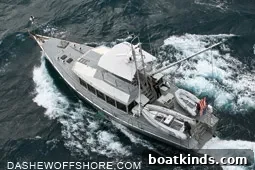
The detention was part of a broader enforcement operation in which AGACE, a unit of Mexico’s tax authority (part of the Mexican IRS), inspected and impounded a total of 338 foreign-owned vessels across 12 marinas in eight ports along both the Pacific and Caribbean coasts. According to AGACE, the sweep aimed to verify the legal status and ownership of foreign boats arriving and moored in Mexican waters. Inspectors checked Hull Identification Numbers (HINs) against documentation on file and looked for violations of import tax and permit rules.
One of the specific issues AGACE cited was failure to obtain or properly document a Temporary Import Permit (TIP). For private recreational vessels, Mexico typically requires a TIP in lieu of paying an import tax; the permit fee is modest — commonly cited as roughly $70 for a 10-year permit — but paperwork must be in order and properly recorded with the marina and immigration authorities.
Avatar had recently completed a 3½-year cruise through Asia and the South Pacific, visiting destinations such as Indonesia, Fiji, New Caledonia and the Solomon Islands after being launched by Circa Marine in Whangarei, New Zealand. The Parkers had the boat managed by two crewmembers who carried Avatar through that long voyage, meeting Carol and Mike several times a year for weeks of shared passage. Both Parkers continue to work: Mike as an electrical and computer engineer and founder of a research center in Tucson, Arizona, and Carol as a professional photographer who runs her own gallery.
After returning from the Pacific, the couple intended to cruise down the Mexican coast, watch Baja whales, transit the Panama Canal, island-hop through the Caribbean to Fort Lauderdale, and then travel up the Intracoastal Waterway to Chesapeake Bay to spend time with family. Instead, Avatar stopped in San Diego for a short stay, then went to Ensenada for bottom paint. Before the cruiser could depart Marina Coral, tax agents arrived by bus accompanied by three trucks of armed soldiers. Inspectors examined the HINs and paperwork of the boats at the marina, including both the original documents owners are required to carry and the copies marinas must keep on file.
The team at Marina Coral reported that 47 vessels were seized during the operation. Avatar was detained, but the crew were allowed to live aboard and were free to come and go while the Parkers, two attorneys working on either side of the U.S.–Mexico border, and U.S. consular officials in Tijuana pressed for clarification and release of the boats to their rightful owners.
On March 21, marina staff received a document of more than 100 pages authorizing the release of the vessels still being detained there. The report, which the Parkers reviewed, confirmed what they had asserted all along: Avatar had entered Mexico legally, remained legally in the country, and the Parkers are the registered and lawful owners. The paperwork also showed that Avatar’s TIP and other required documents were in order.
AGACE personnel had flagged Avatar’s HIN even though it was permanently etched on the starboard transom and inside the forepeak as required by U.S. law, and the number matched the boat’s paperwork. To allay the agency’s concerns, many HINs from seized boats—Avatar’s among them—were routed through the U.S. Consulate to the California Highway Patrol, which verified with owners and manufacturers that the vessels were not stolen.
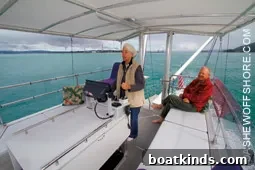
Parker says she believes the boats at Marina Coral were among the last to be released and that she still does not understand why compliant yachts like Avatar were targeted. “It’s a new agency,” she commented. “Maybe they were trying to spread their wings and make a statement. They bungled it.”
The prolonged detention effectively ruined the Parkers’ original cruising plans and had similar consequences for other owners whose boats were impounded. Instead of following their planned southerly route, the couple now intends to cruise the Pacific Northwest for the summer. Carol says she still likes Mexico, but the uncertainty and lack of information during the seizure left her feeling helpless and wary about returning any time soon.
“At the beginning, we were not at all sure they weren’t going to keep the boat,” she said, recounting the anxiety and disruption caused by the months-long process of clarifying ownership and documentation.
June 2014 issue