

Dear Soundings:
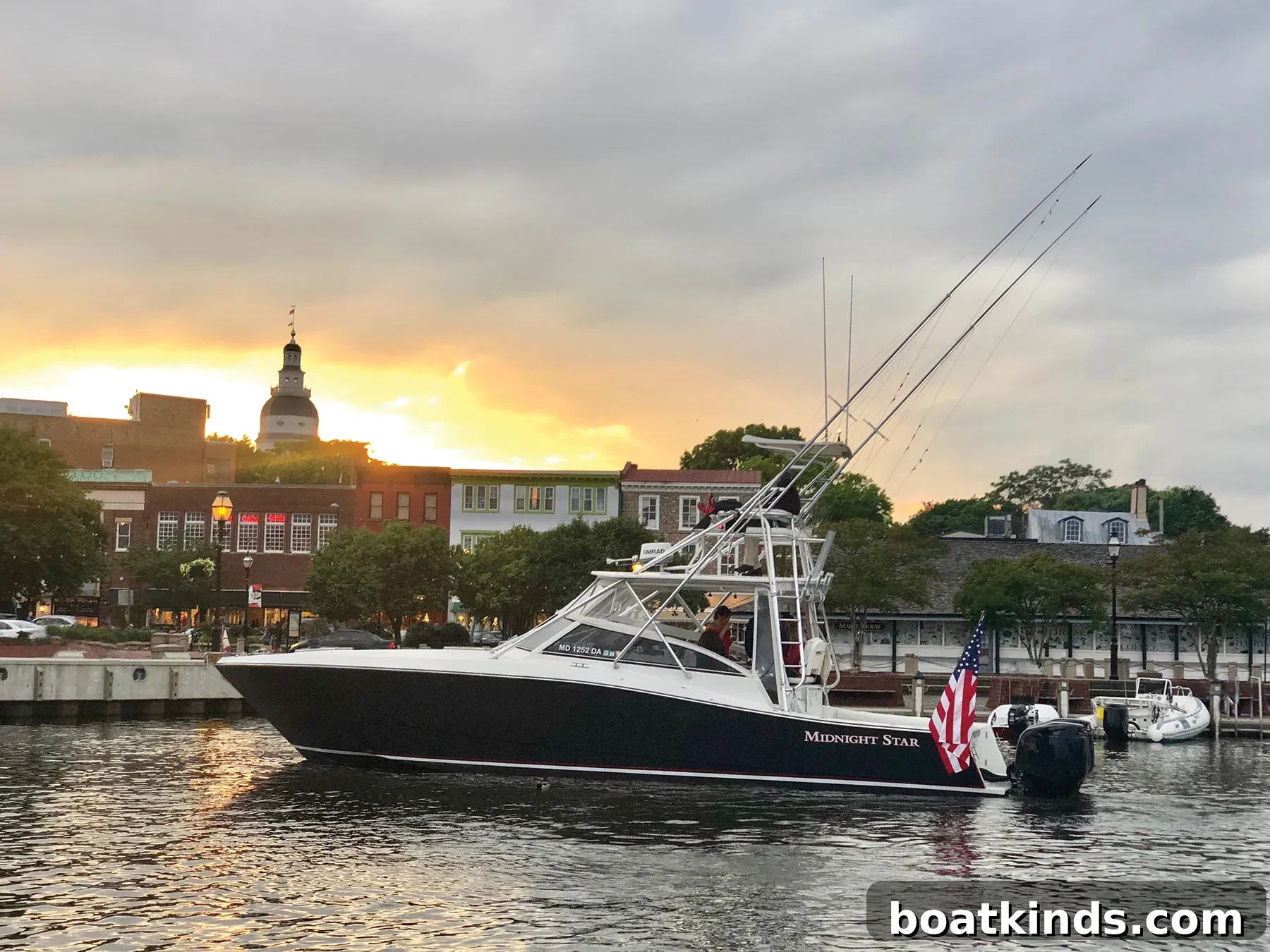
I go boating on the Chesapeake Bay aboard my 40-foot sportfishing boat (shown above). I’d like to improve the exterior finish and just make it look cooler. Can I add one layer of carbon fiber to the boat’s topsides? —David Avedesian, Silver Spring, Maryland
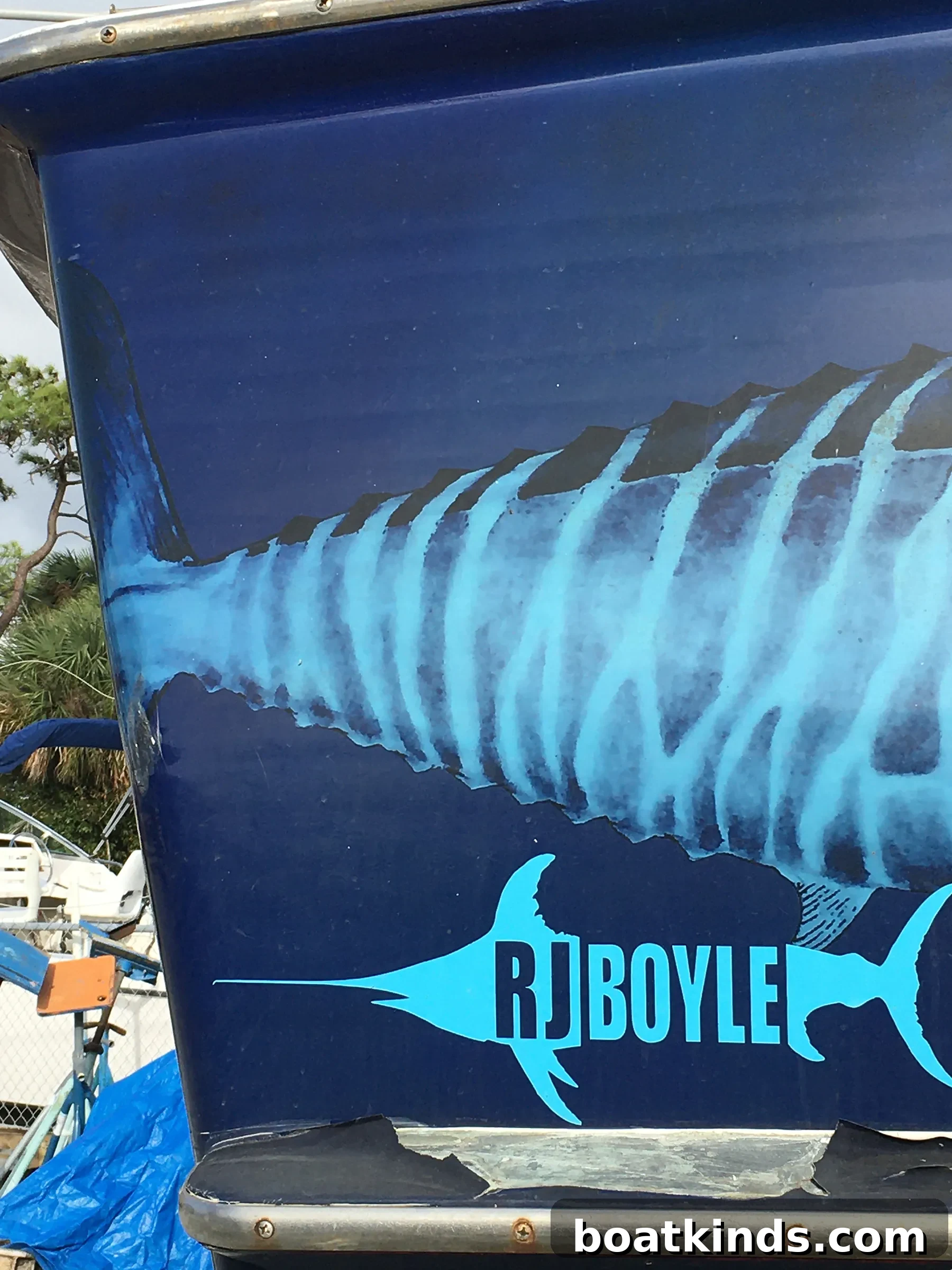
Applying a carbon-fiber layer to your boat is possible, but for most recreational hulls a high-resolution vinyl wrap patterned to resemble carbon fiber is the more practical choice. True carbon fiber requires multiple clear-coat layers to protect the weave and finish; that adds time, cost and labor, and can still be more vulnerable to surface damage or UV-related issues than a properly installed vinyl wrap.
Vinyl wraps offer a wide range of design options and are an increasingly popular way to refresh a boat hull without committing to a full repaint or extensive gel-coat work. Printers can reproduce everything from realistic carbon-fiber weaves to vivid graphics, metallics and subtle contemporary finishes. You can also combine styles—for example, a single-color hull with a faux teak transom, a dark mask for a fiberglass windshield, or custom artwork such as jumping fish or stylized motifs—to give your sportfisher a distinctive, modern appearance.
Maintenance of a wrapped hull is straightforward. Routine cleaning with mild soap and fresh water is usually all that’s needed to keep the wrap looking good. If a section becomes damaged, repairs are generally easier and less expensive than matching a faded or chalked gel coat—an installer can patch or replace panels of vinyl. It’s a good idea to request an extra small sheet of the wrap material from your installer so repairs match perfectly down the road.
When docking, take normal precautions to avoid scuffs on the wrap. Use cloth covers on your fenders and be especially mindful in tight slips. While vinyl is durable, prevention remains the best way to avoid unsightly nicks and scrapes.
Costs for a vinyl wrap are typically quoted by square foot. For a 40-foot hull like yours, a reasonable ballpark estimate is around $8,000 for materials, design and installation. That figure can vary depending on the complexity of the graphics, the finish selected, and regional labor rates. You should also budget for haul-out, relaunch and any required scaffolding rentals when calculating the total project cost.
One cost-saving opportunity is to have the wrap installed while the boat is already on the hard for other maintenance or repairs. Since proper surface preparation is essential, combining jobs is efficient: the hull must be thoroughly cleaned and de-waxed, and any gouges, scratches or fairing work should be completed so imperfections do not telegraph through the vinyl.
Beyond aesthetics, a vinyl wrap provides a layer of protection for the gel coat, helping to prevent fading, staining and general wear from UV exposure and the elements. A well-installed wrap can last five years or more depending on exposure and care. When you decide to sell, removing the wrap can reveal the underlying gel coat in much better condition than it would be without the protective layer, effectively “turning back the clock” on the boat’s exterior.
I’ve seen this approach work well for owners who want attractive, low-maintenance finishes. A friend installed a vinyl wrap on his new 42-foot Boston Whaler in the same color as the factory gel coat. Because he doesn’t keep boats for very long, the wrap lets him enjoy the boat without the weekly ritual of waxing and polishing while preserving resale condition.
Wrapping a boat hull is a smart and cost-effective way to update your vessel’s appearance. The installation itself is typically fast; in many cases, you’ll spend far more time choosing a design than waiting for the work to be completed. If you value variety, easier upkeep and the ability to change or remove the finish later, a high-quality vinyl wrap is worth serious consideration.
This article originally appeared in the August 2020 issue.
