
Wisconsin Shipwreck Coast National Marine Sanctuary: Protecting Lake Michigan’s Sunken Heritage
During the 19th and 20th centuries, tens of thousands of vessels were launched across the Great Lakes. Wooden schooners, iron- and steel-hulled steamships, bulk carriers and propeller-driven passenger steamers all carried people, coal, iron ore and manufactured goods that helped build the American Midwest. Many of those vessels met their end on the lakes, and Lake Michigan in particular holds a remarkable concentration of wrecks.
Researchers estimate that roughly 1,200 ships sank in Lake Michigan. Several hundred of those losses occurred off the Wisconsin coast, which is notable for having more individually listed shipwrecks on the National Register of Historic Places than any other state. Lake Michigan’s cold, fresh water has preserved many of these wrecks with “an unusual degree of archaeological and architectural integrity,” according to federal assessments, making them particularly important for maritime archaeology, public history and recreational diving.
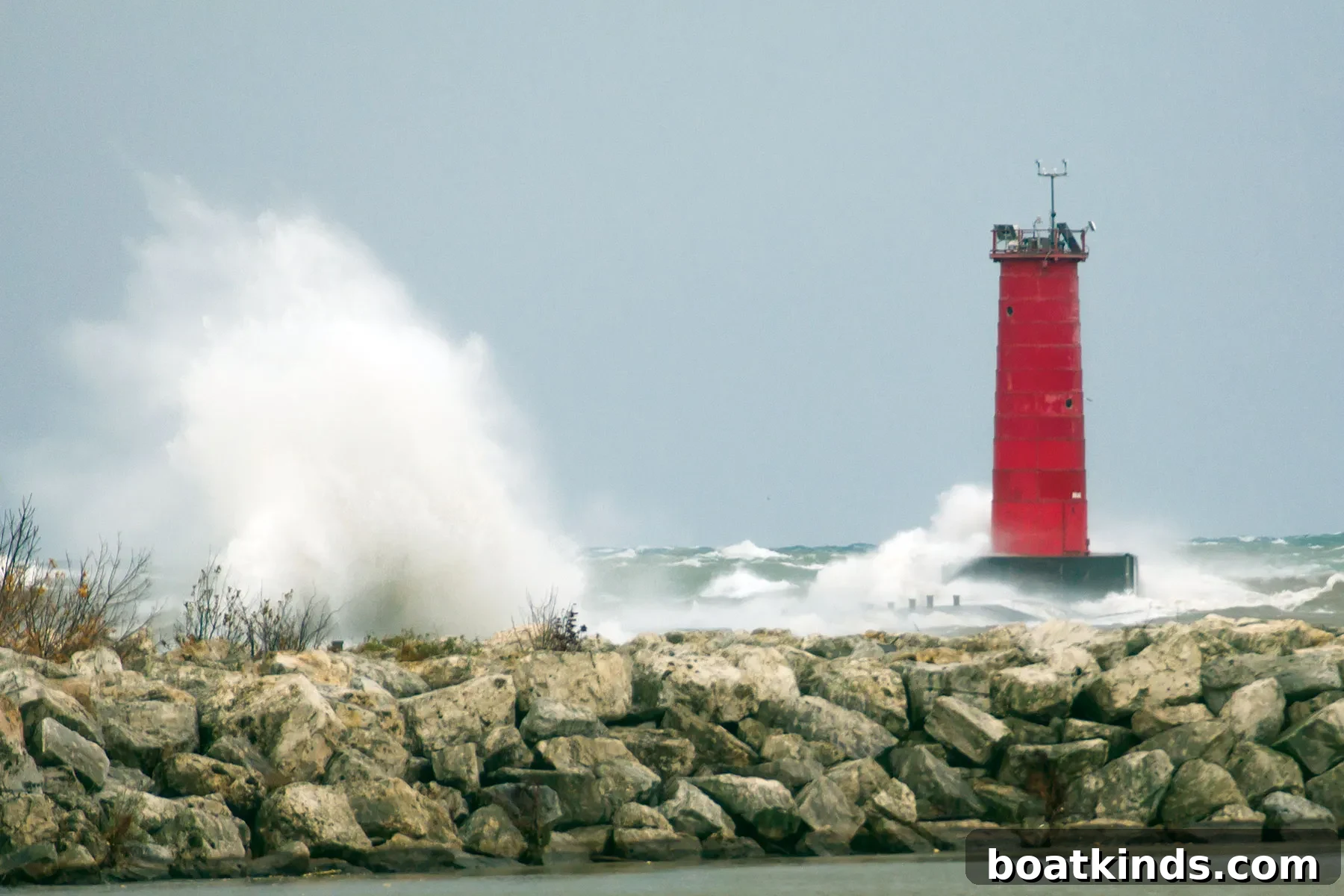
Because of that preservation and historical value, the National Oceanic and Atmospheric Administration (NOAA) has advanced a proposal to designate part of Wisconsin’s nearshore waters as the Wisconsin Shipwreck Coast National Marine Sanctuary. The idea, first proposed by the Wisconsin governor’s office in December 2014, received a major procedural milestone in June when NOAA published a final rule for the sanctuary. Once the designation completes final reviews by the governor and Congress, the new sanctuary will join the Thunder Bay National Marine Sanctuary in Michigan—home to the famed “Shipwreck Alley”—as one of the few national marine sanctuaries in the Great Lakes.
The proposed sanctuary covers a large area of Lake Michigan—spanning 962 square miles—and includes the shoreline communities of Two Rivers, Manitowoc, Sheboygan and Port Washington. Those cities feature marinas, yacht clubs and maritime industries, including long-established businesses such as Burger Boat Company, which traces its operations back to 1863. The sanctuary aims to protect 36 confirmed shipwrecks that have exceptional historic, archaeological and recreational value, while also safeguarding waters where researchers believe as many as 60 more wrecks may lie undiscovered.
Of the 36 documented wreck sites within the sanctuary boundaries, 21 are already listed on the National Register of Historic Places. Each wreck tells a different chapter of U.S. shipbuilding, commerce and daily life on the lakes. Wisconsin’s oldest known wreck in the sanctuary is the Gallinipper, a 95-foot, two-masted schooner built in Ohio in 1833 that served in the early fur trade before foundering in 1851; her hull remains largely intact on the lake bottom. The Continental, a 1,506-ton wooden steam barge built in Cleveland in 1882, ran aground in 1904—yet her compound steam engine remains upright and remarkably intact.
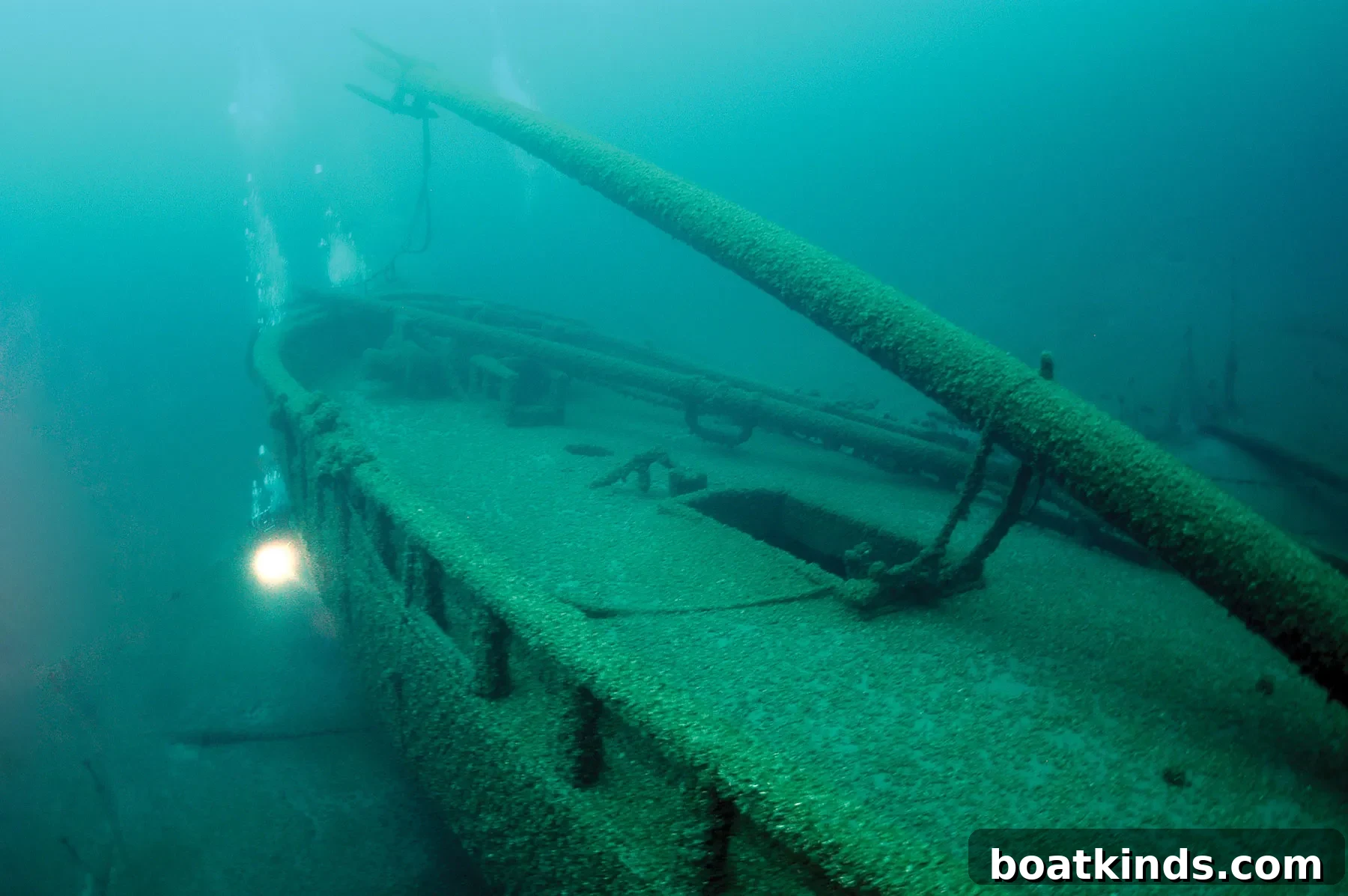
Other significant wrecks include the Floretta, a 260-ton, two-masted schooner built in Detroit in 1868 that carried iron ore—a rare cargo for a schooner of that type. When she sank off Manitowoc in 1885, iron ore settled over her broken hull and still rests there today. The Rouse Simmons, a 205-ton, three-masted double centerboard schooner built in Milwaukee, famously sank a few days before Thanksgiving in 1912 while hauling Christmas trees to Chicago; she now rests upright and intact in 165 feet of water, still holding the memory of her cargo. The Niagara, a 225-foot wooden sidewheel steamer built in Buffalo in 1846, suffered a catastrophic fire and burned to the waterline near Port Washington, a tragedy that claimed more than 60 lives and remains a poignant reminder of the risks of early steam-powered travel.
These wrecks are more than relics; they are tangible links to regional trade networks, shipbuilding advances and the lives of the seafarers and communities who depended on the lakes. Local leaders have welcomed the sanctuary designation as a way to protect and interpret that maritime heritage. “This National Marine Sanctuary would be only the second of its kind in the country,” Governor Tony Evers said, highlighting the significance of a Great Lakes sanctuary. Manitowoc Mayor Justin Nickels noted that protecting these waters and wrecks will memorialize the rich history of the community and the men and women who built it.
When designated, the Wisconsin Shipwreck Coast National Marine Sanctuary will support archaeological research, public education, responsible recreation and conservation of underwater cultural resources. It will also strengthen partnerships among federal and state agencies, tribal nations, local governments, historians and dive communities—ensuring these underwater sites are documented, preserved and accessible for future generations while maintaining safety and stewardship standards.
This article was originally published in the September 2021 issue.