
Herreshoff 12½ and the Doughdish: A Classic Small Sailboat
Between Cape Cod, the Elizabeth Islands and the Massachusetts mainland, Buzzards Bay is known for its brisk tides, strong currents and steady winds. Conditions can shift quickly, so when Robert W. Emmons II and his friends sought a small racer for the bay in 1898, they turned to a renowned designer who understood speed and seaworthiness: Nathanael Greene Herreshoff.
From the H-Class to a Smaller Trainer
Herreshoff’s original H-Class design was a 24-foot, 6-inch gaff-rigged boat with a 15-foot waterline—fast, nimble and seaworthy, but often demanding for younger sailors. In 1914, Emmons asked Herreshoff to design a smaller craft that would let novices learn the fundamentals before moving to larger yachts. The result was a graceful, seaworthy gaff-rigged sailboat measuring 15 feet, 10 inches overall with a 12-foot, 6-inch waterline. Known simply as the 12½, it proved easy to handle, stable in sharp conditions and built to last.
Enduring Popularity
More than a century later, the 12½ endures. Boats are still built in wood and fiberglass; many wooden hulls from the Herreshoff Manufacturing Company’s Bristol, Rhode Island, yard remain active. Owners praise the design for its classic lines, forgiving handling, predictability and simplicity. For many, it’s the ideal small sailboat—safe, enjoyable and timeless.
A Community Built Around the Boat
Dona Bergin of Shelter Island, New York, is one of the design’s most devoted advocates. Introduced to the 12½ by crewing for a friend, she eventually received a Doughdish as a gift and named it 15. As she sailed more, her skills grew and she became an instructor. Today she sails almost daily, participates in the Shelter Island Yacht Club’s large Doughdish fleet and enjoys teaching other women how to sail these boats.
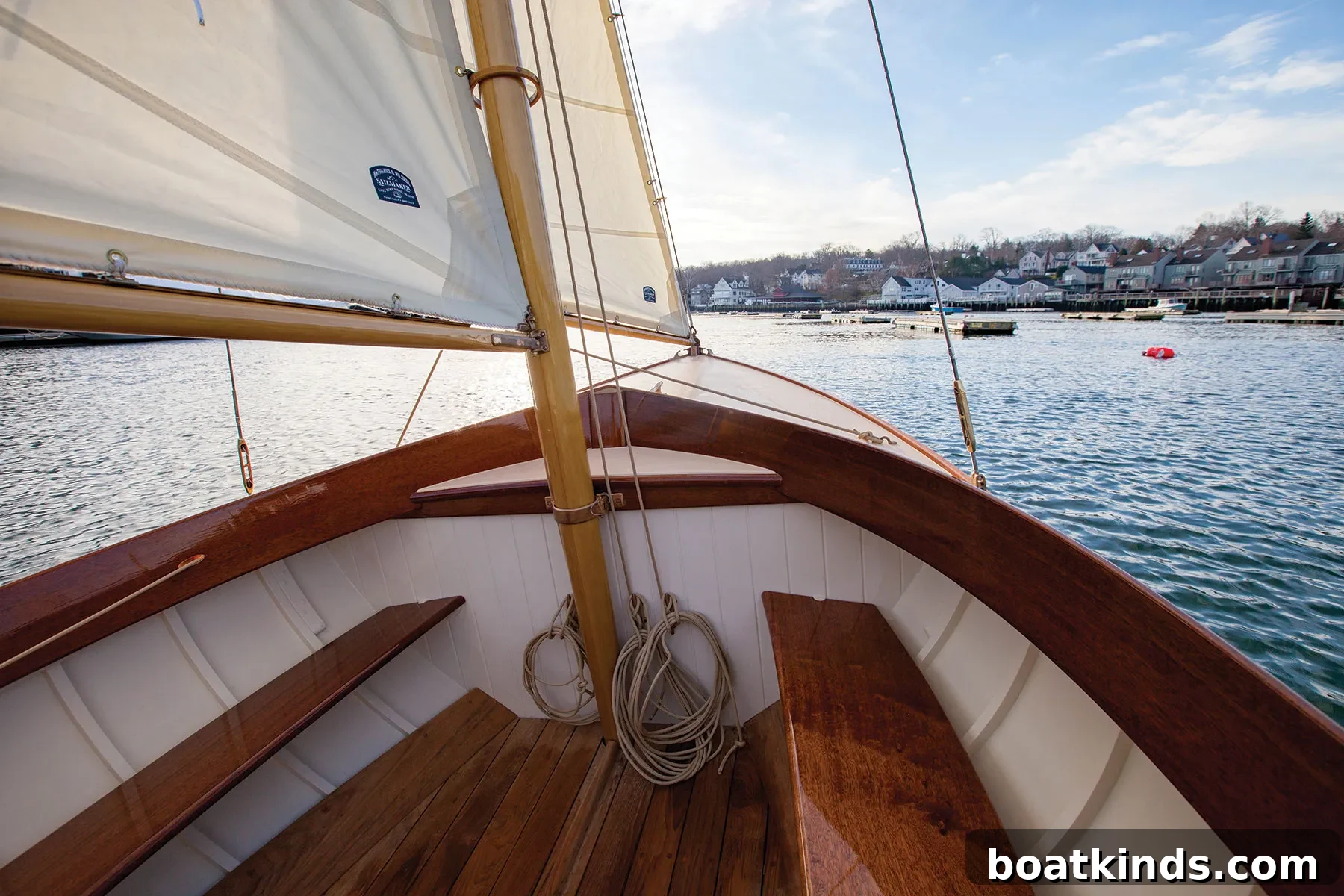
Bergin highlights features that make the boat ideal for learning: the gaff rig, which requires practice but is forgiving; the wooden construction, which many find beautiful; and a ballast keel that makes capsizing unlikely. Those qualities give instructors and students confidence when gusts build and conditions get sporty.
Craftsmanship and Replicas
Artisan Boatworks in Rockport, Maine, builds faithful 12½ replicas from Herreshoff’s original plans, using Atlantic white cedar planking, white oak frames and Sitka-spruce spars, with mahogany trim. Founder Alec Brainerd says each boat takes roughly 1,400 man-hours and about four months to build. Attention to traditional hardware and authentic details is a priority for clients who value historical accuracy.
The 12½ spawned several related designs known collectively as the Fish Class—models such as Seawanhaka, Mattapoisett, Warwick and Marlin that share many of the 12½’s lines. According to the Herreshoff Marine Museum, 409 hulls in the 12½ family, including Fish Class models, were built.
The Doughdish: A Modern, Lower-Maintenance Option
Fiberglass Doughdishes are also popular. Ballentine’s Boat Shop in Cataumet, Massachusetts, builds several Doughdishes a year, and demand rose following the pandemic. Fiberglass hulls include wooden elements—Sitka-spruce spars, mahogany and teak trim—so owners can choose how much varnish and upkeep they prefer. Many appreciate the lower maintenance compared with an all-wood boat while keeping the traditional appearance and feel.
Accessibility and Practicality
Cape Cod Shipbuilding Company has been offering fiberglass 12½ replicas since the early 1970s. A standard hull with either a gaff or Marconi rig is priced around $52,000, with options for spinnakers, covers and other gear; a galvanized trailer is available for about $4,000. Owners often note the surprising practicality of the design: despite its classic look and full keel, the boat is trailerable, easy to single-hand and comfortable for day sailing.
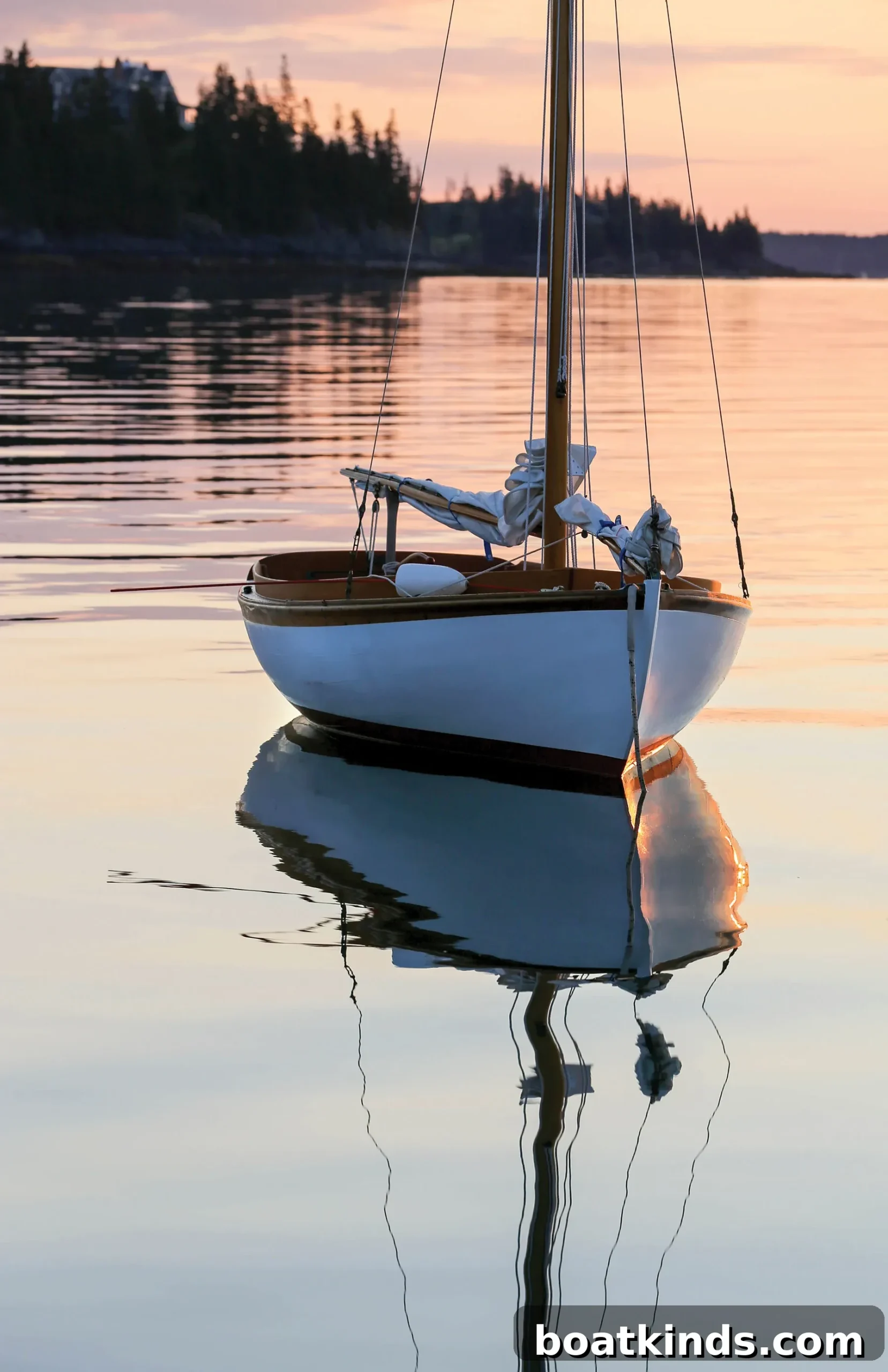
Racing, Clubs and Community Spirit
The 12½ and Doughdish thrive within a lively club scene. Key Northeastern yacht clubs—Edgartown, Buzzards, Beverly, Quissett and Shelter Island—host active fleets. The H Class Association organizes class rules and regattas, including an annual Class Championship held at rotating clubs for nearly four decades. While competition can be spirited, owners emphasize camaraderie, family sailing and the social aspect as much as racing success.
Owners such as Tim Dobuler and Chuck Tiernan describe how the boats draw families and bring generations together. Whether racing or teaching a child to sail, the design’s stability, manageable cockpit and self-tending jib create an environment where sailors of different ages and abilities can enjoy time on the water together.
Why People Still Choose the 12½
The 12½ won’t set speed records, and in a stiff breeze you’ll feel spray in your face. Yet for many sailors, those are small trade-offs. The boat’s classic looks, steady handling and welcoming character make it a favorite for day sailing, instruction and traditional racing. Its blend of safety, simplicity and charm has kept the design alive for more than 100 years.
This article was originally published in the September 2021 issue.