
Vito Dumas: A Timeless Cutter at Port Townsend
A walk along the docks can be more than a pastime—it’s therapy, research and sometimes the spark of inspiration. For many boat lovers, that moment comes when a vessel stops you in your tracks. Anchored on A-Dock at Boat Haven in Port Townsend, Washington, the cutter Vito Dumas has that effect: elegant, sensible and quietly commanding attention.
Her low freeboard, modest deckhouse and graceful sheer carry echoes of classic designs by William Atkin and Colin Archer, yet she is the work of Argentine designer Manuel Campos. An autodidact and one of Argentina’s most esteemed yacht designers of the 20th century, Campos drew on many influences—most notably the local “balleneras,” the double-ended boats with whaleboat ancestry that worked the shallow waters of the Río de la Plata. The result is a vessel both handsome and seaworthy.
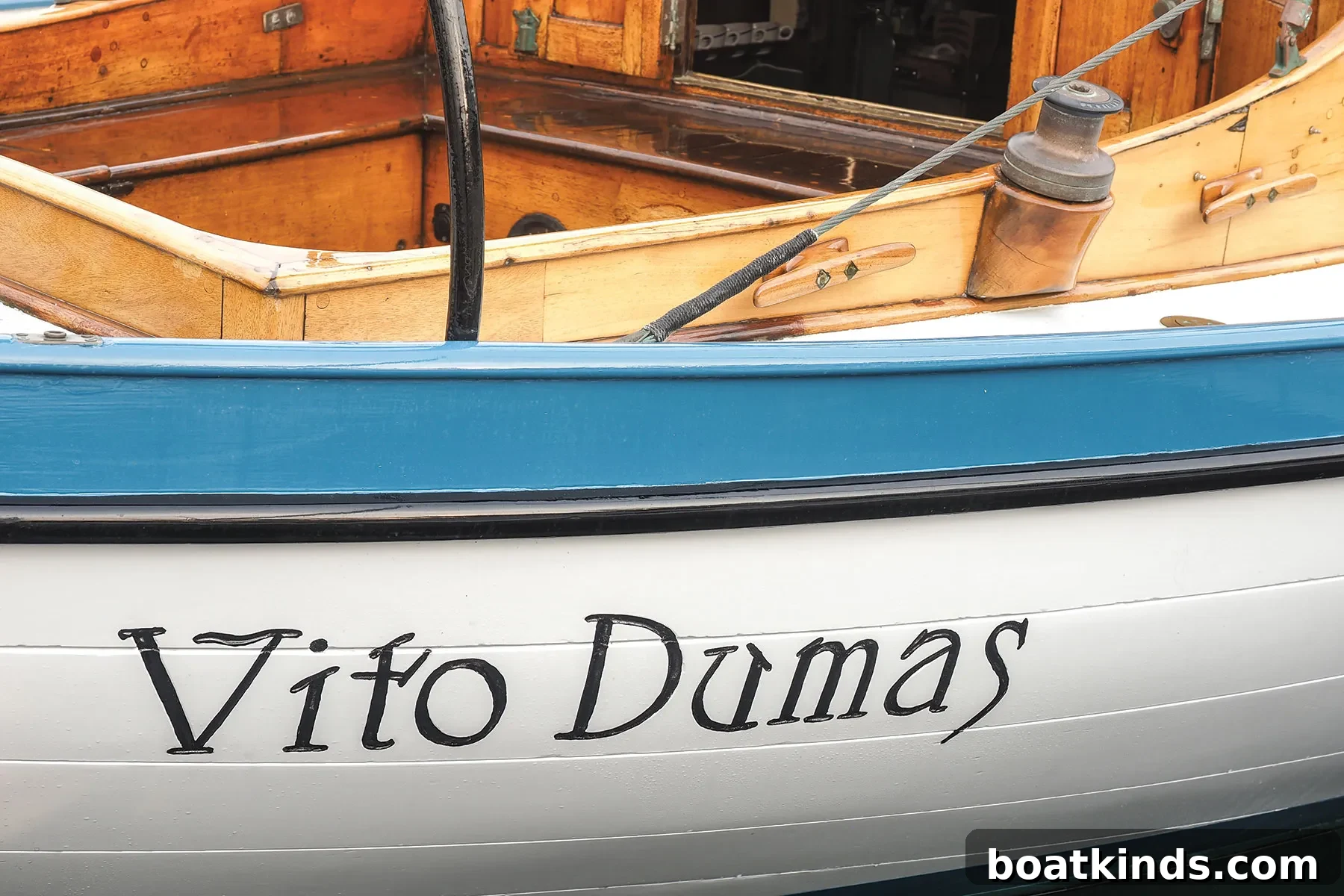
Campos’ name faded from popular memory after his death in 1987, though he designed some of the most famous small ocean-going yachts, including the 31-foot ketch Lehg II, which carried Argentine solo sailor Vito Dumas around the world during an extraordinary 1942–43 voyage through the Roaring Forties. Dumas’ circumnavigation—stops included Cape Town, Wellington, Valparaíso, Mar del Plata and Montevideo—was unprecedented in its day and made him a national hero when he returned to Buenos Aires during World War II. Despite later political controversies that stained his image, Dumas’ achievement and the boats tied to his name remain important chapters in singlehanded sailing history.
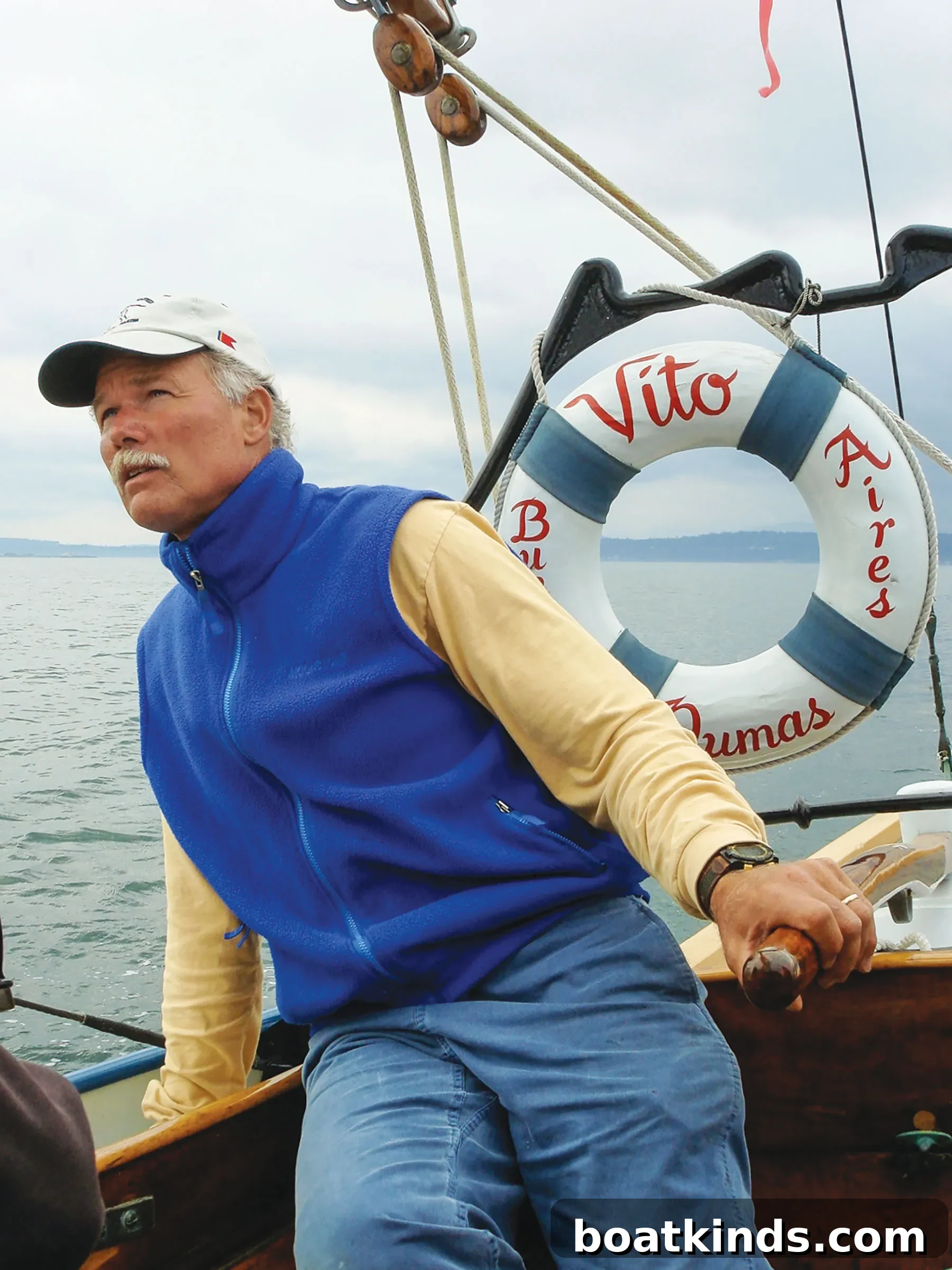
Alex Spear has owned this 1933 Parodi-built cutter since 1976 and has sailed her roughly 30,000 miles, from Mexico through the South Pacific and French Polynesia to Hawaii and Alaska, before settling into Port Townsend as his home in the early 1980s. Spear, a Southern California native, studied environmental biology, anthropology and philosophy of religion, then developed a passion for woodworking while learning from a Finnish boatbuilder. That carpentry background would prove crucial when he invested in restoring and maintaining this classic vessel.
Originally launched as Irupé in 1933 for Dr. Ballestra, a neurosurgeon, the cutter was later associated with the name Vito Dumas after several changes of ownership. Her lines reportedly impressed Dumas and likely influenced the design of Lehg II. The cutter kept evolving: Germán Frers Sr. later drew a Marconi rig for her in the 1940s, and over subsequent decades she underwent repair, refit and renaming as she voyaged from Argentina to San Diego and beyond.
When Spear and his friend Mike Bair found the boat in the 1970s, she required extensive work—cockpit, toerails, bulwarks, side decks, tanks and fittings all needed replacement. With carpentry skills and help from a shipwright, they bought her and spent months restoring her to excellent condition. After that initial refit they sailed to the Channel Islands and beyond, tracing Pacific routes and making new memories aboard the cutter. In 1979 Spear bought out Bair and continued westward, returning to the U.S. via Alaska and the Inside Passage, eventually making Port Townsend a recurring harbor of call.
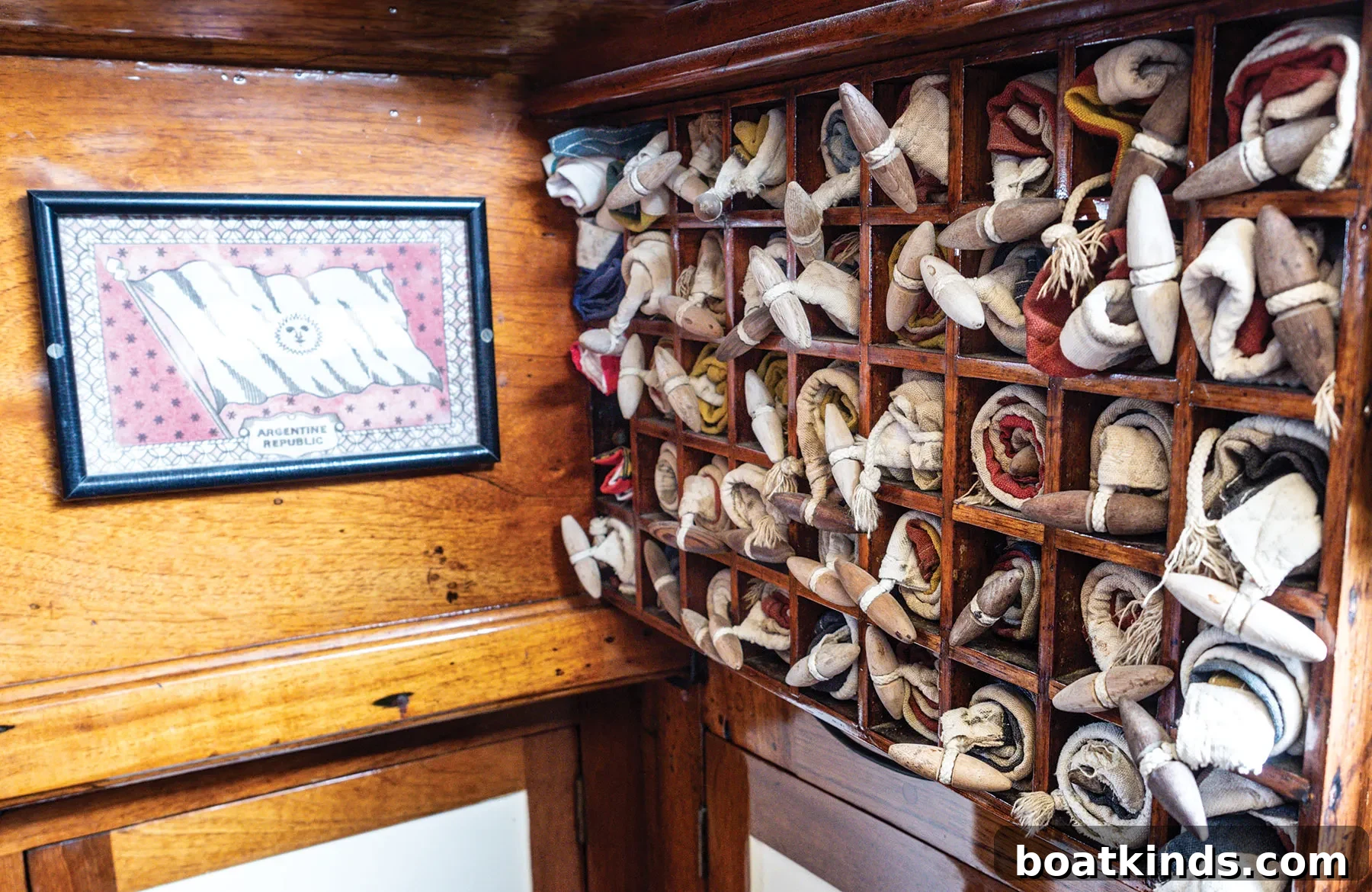
Today retired, Spear still cruises regularly—often to Desolation Sound, the west coast of Vancouver Island and the San Juan Islands. On longer trips he sails alongside longtime friend Russell Brown, a boatbuilder and multihull sailor. The two travel independently but anchor together at the end of each day: Brown’s swift 32-foot catamaran Incognito and Spear’s solid, long-keeled cutter make an amusing pairing—“the tortoise and the hare”—but most evenings the slower boat hosts the gathering, with dinner served in a warm salon of varnished Paraguayan cedar and a wood fire glowing in the galley stove.
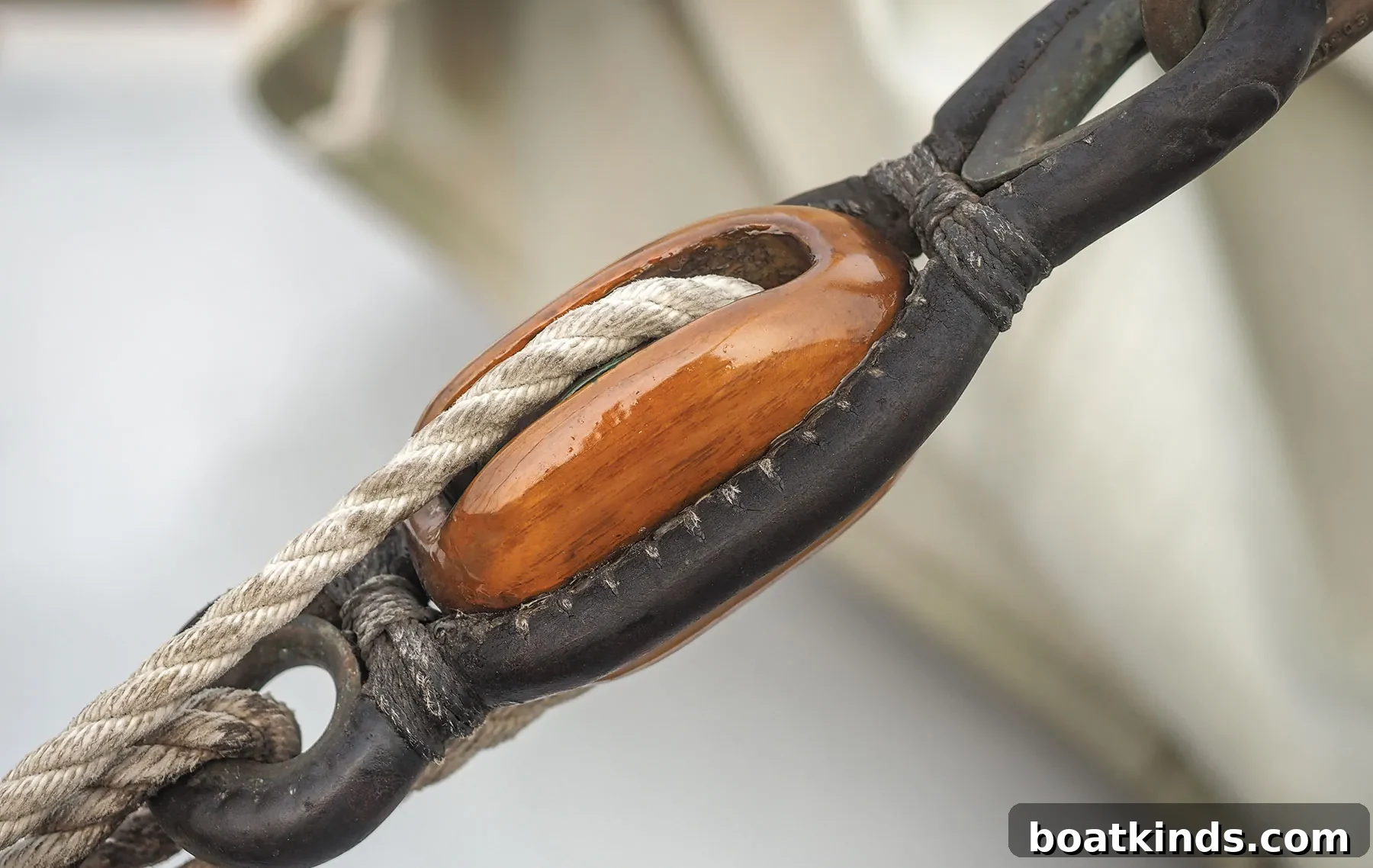
Maintenance and sympathetic upgrades keep Vito Dumas both seaworthy and true to her character. Spear describes the approach as “improvement without disturbing the big picture.” Original elements remain where practical—the martial anchor windlass on the bow, for example—while faded galvanizing was replaced by solid bronze fittings that acquire a natural, matching patina. Rope and blocks have been renewed with materials that recall the 1930s, analog engine instruments preserve the vintage look, and a modern 15-hp Volvo diesel drives a low-resistance Maxprop feathering propeller for reliable power.
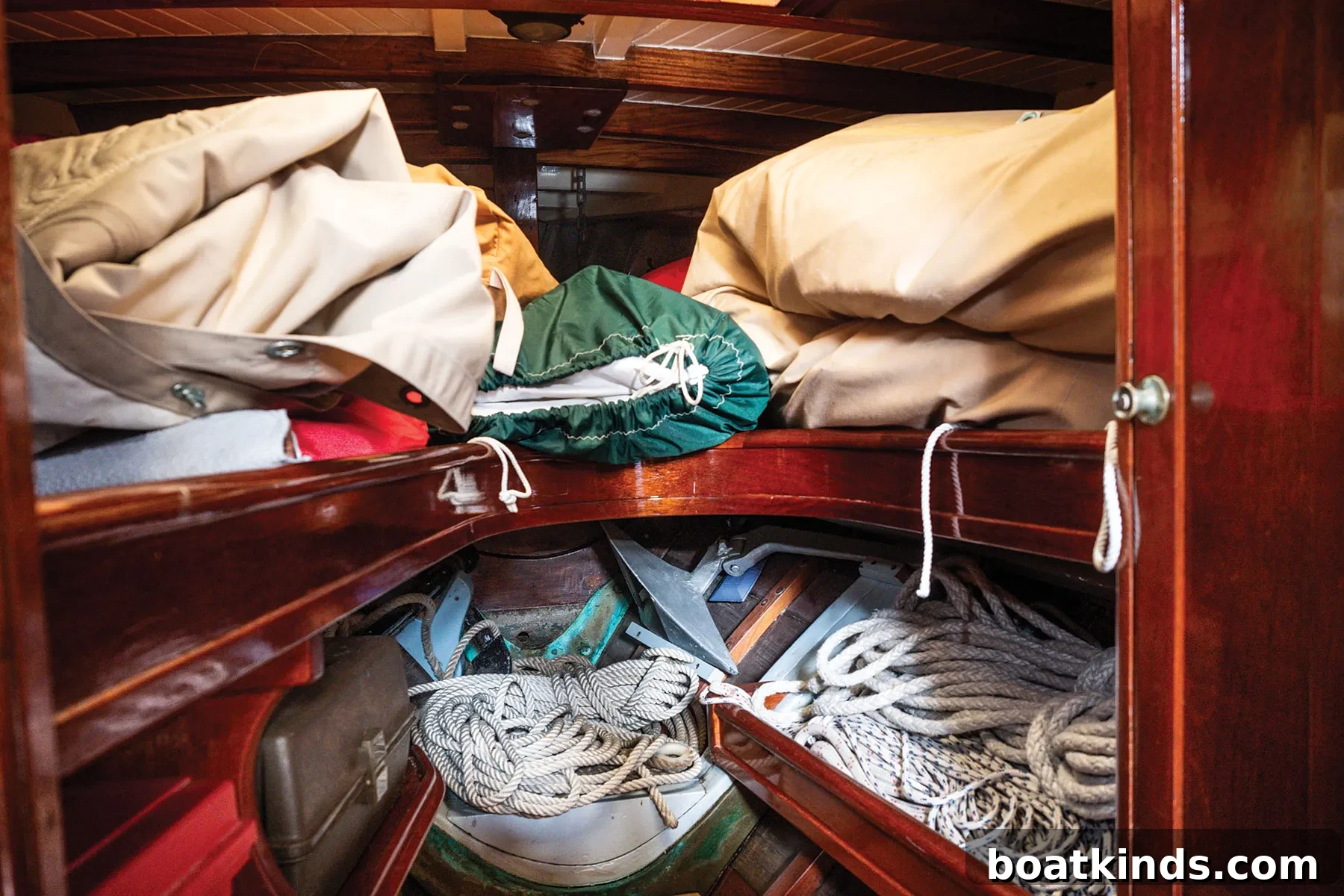
Significant structural work was required to make the cutter robust for decades more at sea. Working with shipwright Arren Day, Spear replanked hull sections in sapele, removed iron fastenings, upgraded frames in the bilge and laminated locust supports under the salon. He strengthened forward floors to prevent keel movement and added ceiling pieces to protect the hull and cabinetry. The result is a boat that is arguably stronger than the day she first launched—yet she still looks every inch the classic she was built to be.
VITO DUMAS Specifications
Year Built: 1933
LOA: 40’0″
Beam: 10’4″
Draft: 4’6″
Sail Area: 600 sq. ft.
Displacement: 17,000 lbs.
Engine: 15-hp Volvo diesel
Builder: Parodi Bros.
Artist, Athlete, Sailing Hero
Vito Dumas himself was an unlikely naval legend. Born September 26, 1900, to a poor tailor in Buenos Aires, he began life as an athlete and artist: a competitive swimmer who drew scenes from his voyages. After early attempts at long-distance swimming failed to bring fame, he turned to sailing. His first singlehanded ocean crossing in 1931 aboard a small racing yacht named Lehg set the stage for his later triumphs. The subsequent ketch Lehg II, designed by Manuel Campos, had no engine or wind vane, yet carried Dumas around the world in a feat that captured Argentine imagination during a turbulent era.
Reflecting on the voyage and his boat, Dumas praised the craft’s qualities in his book Alone Through the Roaring Forties: “What could I have done on this desolate route, had I not been able to rely upon a suitable craft?… The truth is that success is the reward of a harmonious combination of factors contributing to the desired result… thanks to her robust build and her first-class sailing qualities, she gave me full and complete satisfaction.”
This article was originally published in the June 2021 issue.