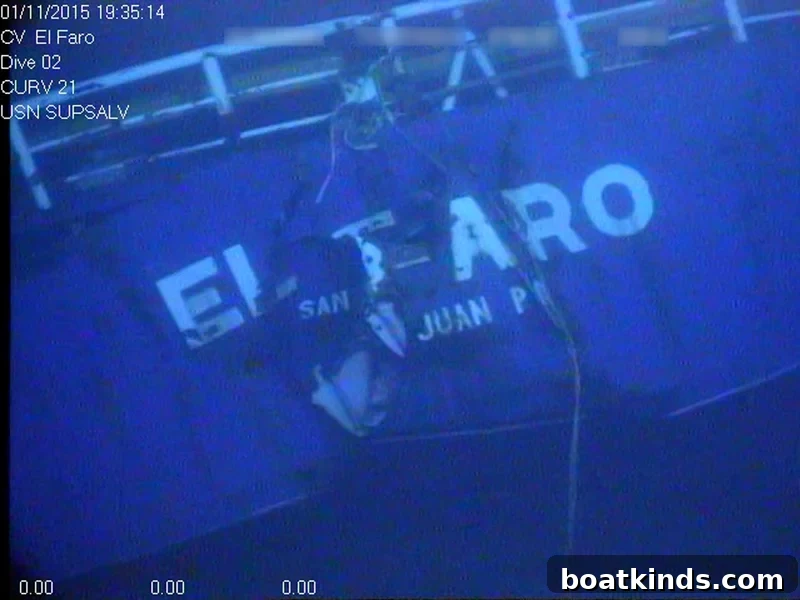
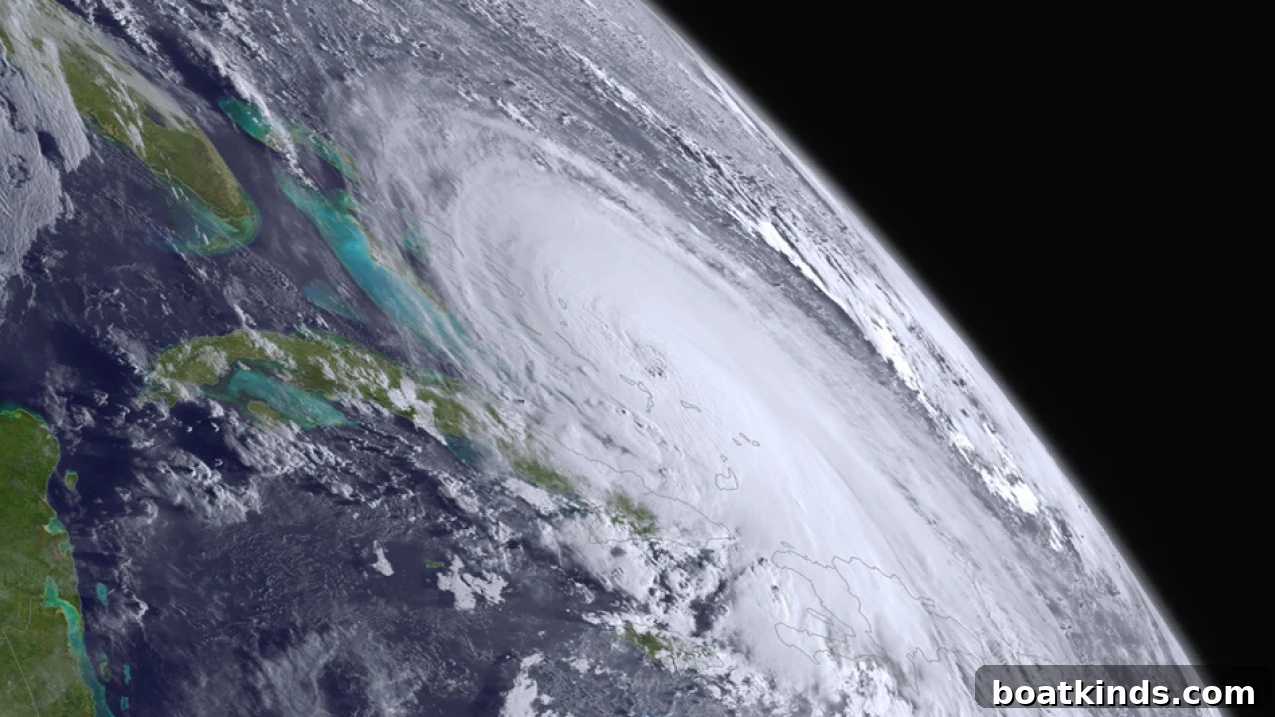
In late September 2015 the 790-foot TOTE Maritime containership El Faro steamed into the path of Hurricane Joaquin near the Bahamas and did not return. The ship foundered, and all 33 crew members aboard were lost. The tragedy left families devastated; three of the widows sought legal representation, and their lawyers have since produced an exacting evaluation of the events and decisions that preceded the loss.
Six years after the sinking, the law firm representing those families summarized the factors they believe contributed to the disaster. Their assessment attributes responsibility across several layers: the decisions made by the ship’s captain, alleged shortcomings in company oversight and safety culture at TOTE Maritime, deficiencies in on-board procedures such as bridge resource management, and technical or design vulnerabilities that affected the vessel’s ability to survive severe weather.
The firm’s report points to multiple specific themes. First, it contends that certain choices by the captain placed both the vessel and crew at increased risk. While navigation in heavy weather always involves judgment calls, the attorneys say those choices exposed the ship to conditions from which it could not recover.
Second, the report criticizes the company’s safety systems and operational oversight. It asserts that TOTE did not provide effective bridge resource management—meaning that teamwork, communication, decision-making protocols, and use of available personnel and equipment on the bridge were not managed to acceptable standards. The lawyers also contend that the company lacked a robust safety management system to ensure consistent, risk-informed decisions and effective emergency preparedness across its fleet.
Third, the assessment identifies material and equipment shortcomings. The report alleges that the ship lacked suitable survival craft and that critical systems failed as conditions worsened. Contributing mechanical and design factors cited include flooding in cargo holds, loss of propulsion, and downflooding through ventilation closures—each of which, the report states, played a role in the progressive loss of the vessel.
These are serious charges that underscore how multiple failures—human, organizational and technical—can combine in a maritime disaster. Flooding of cargo spaces undermines a ship’s buoyancy and stability; loss of propulsion removes the ability to control heading and to keep the bow into the seas; and downflooding through ventilation or other openings allows seawater to enter spaces not intended to flood, accelerating the path to foundering. When combined with breakdowns in decision-making and poor emergency preparedness, those physical failures can become catastrophic.
Although the law firm’s conclusions are part of a legal and investigative process, the assessments carry clear lessons for mariners, shipping companies, regulators and naval architects. Among the takeaways are the importance of rigorous bridge resource management training and practice, the need for a comprehensive and enforced safety management system at the company level, regular assessment and upgrading of survival craft and emergency equipment, and careful design and maintenance to reduce risks of flooding and progressive loss of propulsion.
For captains and officers, the case emphasizes disciplined decision-making in severe weather, effective use of all bridge team members, and adherence to company and regulatory safety protocols. For operators and managers, it highlights the duty to provide reliable oversight, to cultivate a culture where safety concerns can be raised and addressed, and to ensure ships are maintained and equipped to withstand extreme conditions.
The El Faro loss remains a sobering example of how multiple failures can intersect with fatal consequences. The legal assessment offered on behalf of the families casts a critical eye on both individual choices and systemic shortcomings, and it reinforces why continued attention to maritime safety, training, equipment, design, and oversight is essential for everyone who goes to sea.
You can read the full report summary on gCaptain.com, which covers the legal findings and the firm’s conclusions in greater detail.