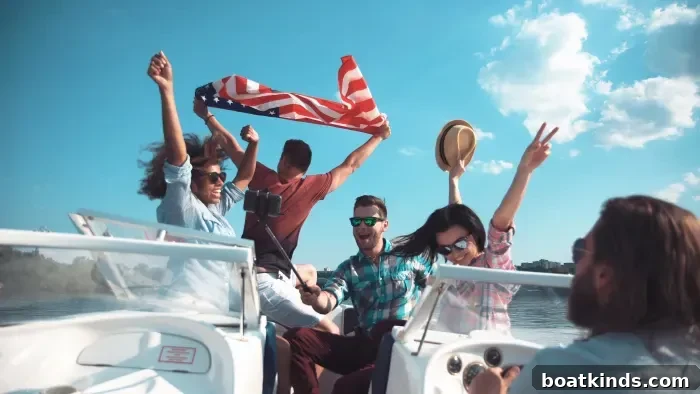
Boating over the Fourth of July weekend means far more boats, swimmers and activity on the water than usual. Increased traffic raises the risk of collisions, falls overboard and other hazards, so careful preparation and constant vigilance are essential for a safe holiday.
Below are 12 practical boating safety tips from the Water Sport Foundation you should follow before and during your time on the water. These reminders apply to everyone—from new boaters to experienced captains—to help prevent accidents and keep trips enjoyable.
1. Education and Essential Equipment
Before you cast off, make sure you have the training and gear to operate your boat safely. Complete a boating safety course taught by certified instructors, ideally one that includes on-water skills training that meets accepted standards. Many live, virtual and hybrid courses are offered through organizations such as the U.S. Coast Guard Auxiliary and boating clubs.
Know your vessel’s operating manual, check all onboard systems before departure, and verify that safety equipment—fire extinguishers, navigation lights, bilge pumps, and signaling devices—are in good working order. Be familiar with VHF radio operation and consider carrying an EPIRB or a personal locator beacon for emergencies.
2. Life Jackets Save Lives — Wear Them
Drowning accounts for the majority of deaths in boating incidents where the cause is known. Most victims were not wearing life jackets. Always carry U.S. Coast Guard–approved life jackets for every person aboard and ensure they fit properly. Youth requirements and usage rules vary by state, so check local regulations before you go. Modern life jackets come in many comfortable, activity-specific styles—use them.
3. Don’t Drink and Boat
Alcohol impairs judgment, balance and reaction time, and mixing it with sun and wind increases the chances of a serious incident. According to Coast Guard reports, alcohol is a leading factor in fatal boating accidents. For the safety of everyone on board, avoid consuming alcohol while operating a boat.
4. Use an Engine Cut-Off Switch (ECOS)
Federal law requires an engine cut-off switch on many boats. This device connects the operator to the engine and stops the motor if the operator falls overboard. There are wired and wireless ECOS options; use one appropriate for your vessel and test it regularly to ensure it functions correctly.
5. File a Float Plan
Share a float plan with a trusted friend, family member or your marina before you leave the dock. Include names and contact information for everyone aboard, your intended route and stops, departure point, and an expected return time. If you fail to return as scheduled, those details will speed any search and rescue response.
6. Be a Weather Watcher
Check the forecast before you launch and keep monitoring conditions while underway using weather apps and marine forecasts. Sudden storms, strong winds, changing tides and fog can create hazardous situations. If the weather turns bad, seek safe shelter immediately and update anyone who has your float plan.
7. Clear Pre-Departure Communication
Before getting underway, the captain should brief everyone on safety rules: where life jackets are stored and how to wear them, seating rules while the boat is moving, location and use of throwable flotation devices, and who is designated to watch for traffic or assist with watersports. Clear expectations reduce confusion and improve safety.
8. Follow Your Boat’s Capacity and Weight Limits
Every vessel has a maximum passenger and weight capacity. Exceeding that limit, or unevenly loading gear and coolers, increases the risk of swamping or capsizing. Count passengers and consider combined gear weight when planning your outing.
9. Stay Focused — Pay Attention
Operator distraction is a major cause of boating accidents. The person at the helm must remain alert: continually scan the horizon, anticipate other vessels’ movements, and be aware of swimmers and tow sports. Assign a spotter when towing skiers or tubers and avoid multitasking while piloting the boat.
10. Choose Destinations Wisely
If you’re still gaining confidence, avoid the busiest boat ramps, shallow channels and popular hotspots on peak days. Crowded waters require faster decision-making and precise maneuvering. Opt for less congested areas until you’re comfortable handling tight quarters and heavy traffic.
11. Observe Speed Limits and No-Wake Zones
Obey posted speed limits and no-wake zone rules. These regulations protect shorelines, swimmers, small craft and wildlife, and violations can result in fines. Reduce speed in sensitive areas and when visibility is limited.
12. Take Extra Care When Boating at Night
Nighttime boating—common during fireworks and evening raft-ups—carries added risks from reduced visibility and heavier traffic. Ensure all navigation and running lights are working, slow down, and avoid alcohol. Keep a sharp watch for inexperienced operators or those under the influence and be prepared to react to unexpected situations.
Bonus Tip — Use the Coast Guard Boating Safety App
For easy access to navigation rules, safety guidance, tidal and weather reports from nearby NOAA buoys, download the official Coast Guard boating safety mobile app from your device’s app store. It’s a handy tool for on-the-water decision-making and staying current with regulations.
Following these boating safety tips will lower risks, protect lives and help everyone enjoy a safer, more relaxing time on the water. Plan ahead, communicate clearly, and make safety the priority every time you go boating.