
A Time for Going Slow
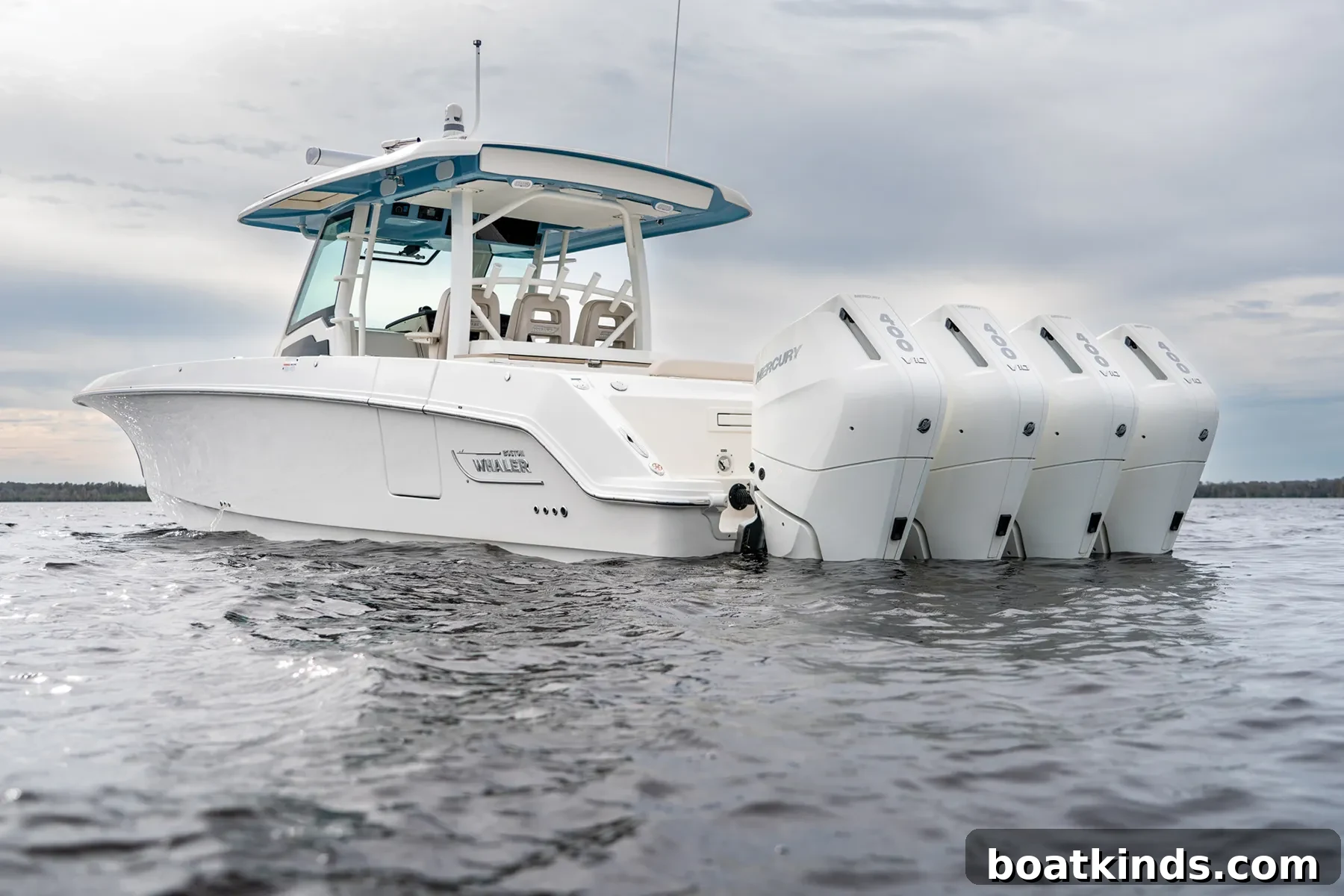
Charles Plueddeman’s piece on the new Mercury V‑10 outboard (“The Power of 10,” February) was informative and timely. One practical point I’d like to expand on concerns slow trolling and the electrical charging threshold of the Navico Fathom e‑power system. The article rightly notes that trolling speeds can fall below the activation threshold of the system’s 48‑volt alternator, potentially limiting on‑board charging when you’re running very slowly on a single motor.
For boats with twin engines, a simple operational workaround can solve that problem without changing your fishing style or hardware. If you have at least two V‑10s on the transom, engage one motor and troll slowly as needed, while bringing the other motor up to a slightly higher idle in neutral to activate the alternator and generate charging voltage. That allows you to maintain slow, steady troll speeds while ensuring the electrical system remains topped up. It’s a practical tip for anglers who spend extended periods at low speed and want to avoid battery drain on electronics, lighting, or livewell pumps.
This approach also highlights an important seamanship principle: use the systems and redundancy you already have aboard to adapt to different conditions. Twin-engine installations offer flexibility for both propulsion and electrical management. When you plan slow‑trolling trips, consider how your propulsion and charging strategy interact with onboard electronics and battery needs, and brief crew or guests about any specific procedures you’ll use.
MORE LESSONS
Jeanne Craig’s “Underway” column prompted readers to send in lessons learned on the water, and one submission stands out for its calm, methodical approach. Many years ago, before GPS was commonplace, a couple navigating the Intracoastal Waterway in January passed through the “Rock Pile” in South Carolina. Early one morning they encountered a vessel outbound that had grounded hard and was visibly aground—popping up a foot out of the water.
They hailed the stranded boat and discovered it was crewed by members of the Coast Guard Auxiliary. The older men aboard were clearly distressed and attempted to throw a heaving line. Unfortunately, the line’s bitter end hadn’t been secured to a heavier line or a cleat, so the tossed rope alone was insufficient. With calm assessment and careful maneuvering, the rescuing boat came alongside perpendicular to the shoal, passed a heavy line, retrieved the original heaving line, and assisted in pulling the grounded vessel free. They then escorted the vessel to the nearest dock just as the Coast Guard was arriving to render assistance.
The clear lesson from this incident is to stay composed. In any emergency—grounding, engine trouble, or a medical issue—panic multiplies risk. Taking a deep breath, assessing the situation methodically, and communicating clearly with the other vessel or your crew will improve outcomes. Also, the practical detail about securing the bitter end of a heaving line is a reminder that small measures and good seamanship matter: a properly prepared rope, cleat, or line can make a rescue far easier and safer.
After 40 years on the water, the writers have gathered many stories like this one, but rescuing members of the Coast Guard Auxiliary remains a favorite. It’s a good example of mutual aid and the importance of being prepared to help others while maintaining your own safety and the safety of your passengers.
Get the basics right
Peter Frederiksen’s essay “Seamanship Starts Here” (February) emphasizes the foundation of safe boating: get the basics right before you do anything else. This is advice any boat owner should take seriously. Safety procedures, basic systems knowledge, and clear crew briefings are far more important than style or bravado at the helm.
Two longtime boaters the letter writer knows make a practice of running a short, focused checklist every time they take guests aboard. Their checklist covers essential tasks and locations: how to start the engines, operate the VHF radio, clear a raw‑water strainer, locate personal flotation devices, and raise the anchor. The goal is simple and effective—if the skipper becomes incapacitated, someone else on board can call for help, operate the boat, and get everyone to safety. Rehearsing those few basics cuts confusion and saves time in a real emergency.
That same practical mindset applies to everyday habits. Framing the trip around safety rather than bravado avoids needless risk—there’s no room for “macho” posturing when lives are at stake. One small but important example: footwear matters. Frederiksen’s anecdote about a new cruiser owner slipping on deck during a shakedown cruise is worth remembering. Bare feet on sandy beaches are one thing; bare feet on wet or unfamiliar deck surfaces can lead to serious injury, especially if a foot strikes hardware like a cleat.
Ultimately, good seamanship is a blend of preparation, simple checklists, clear communication, and a willingness to act calmly when things go wrong. Whether you’re running modern high‑power outboards, crossing a tricky shoal in the ICW, or hosting friends and family for a day on the water, the most effective measures are often the most basic ones—proper planning, clear instruction, and an emphasis on safety-first habits.