
Women Commodores Make History on Long Island’s North Fork
On Long Island’s North Fork, women are reshaping the leadership landscape at local yacht clubs. Four of the region’s five clubs—Orient Yacht Club, Old Cove Yacht Club, Shelter Island Yacht Club, and Mattituck Yacht Club—are currently led by women. Alyssa Constant serves as commodore of the Orient Yacht Club, Ellen Talbot leads Old Cove Yacht Club, Lisa Reich is commodore at Shelter Island Yacht Club, and Mary Kalich heads the Mattituck Yacht Club. Their presence in these roles marks a notable change in a position that has long been dominated by men.
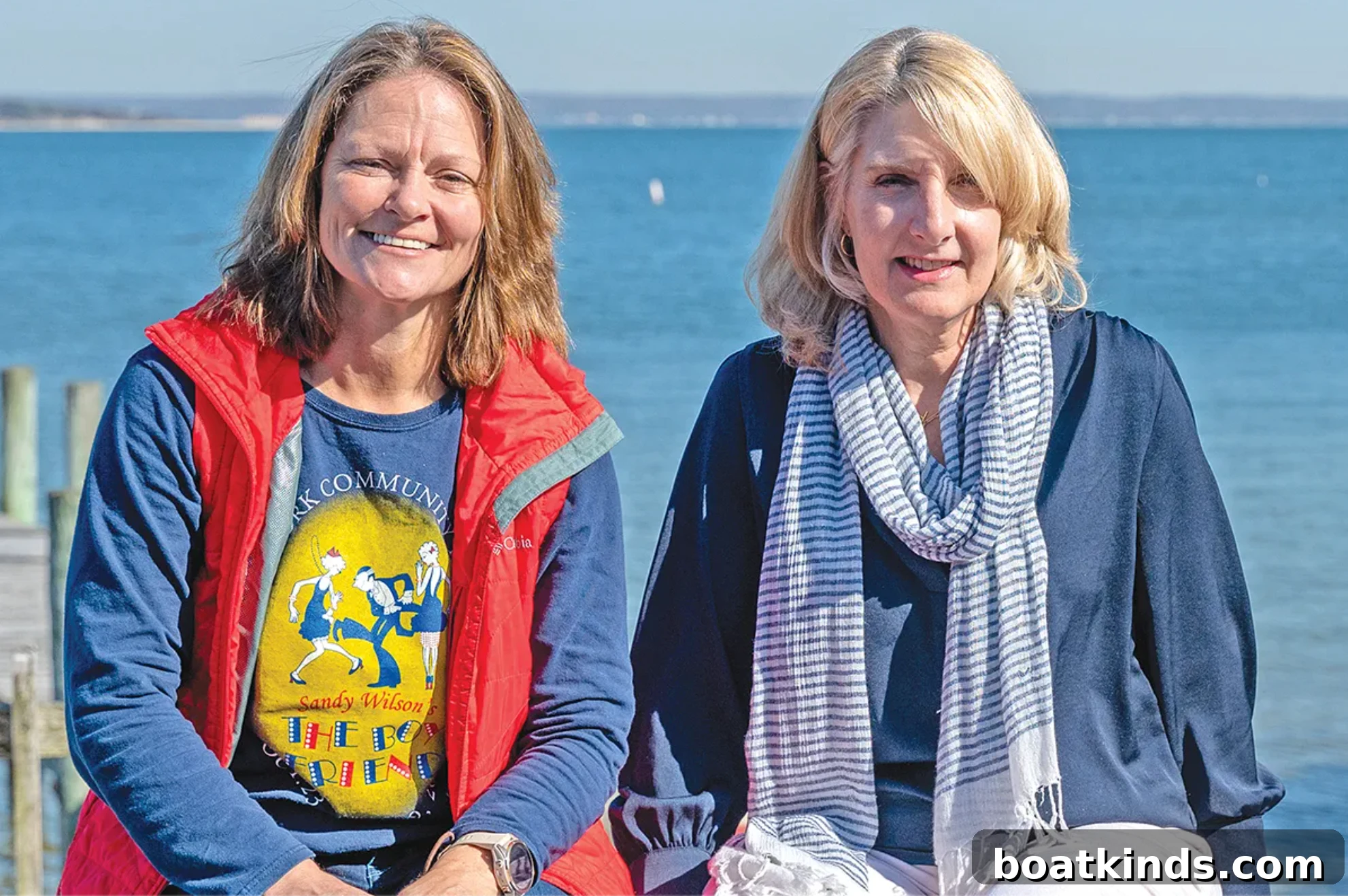
Mary Kalich has served as commodore for eight years, providing continuity and visible leadership. The other three women have held the position for the past two years, bringing fresh perspectives and renewed energy. Lisa Reich describes the significance of her role: “It is unique to be a female commodore,” she says. “I’m only the second [in Shelter Island] since 1886.” That comment highlights how uncommon female leadership still is in some historic clubs, and why these recent appointments feel consequential for members and the wider sailing community.
These commodores are focused on expanding opportunities for women and girls in sailing, and on making the sport more welcoming and less intimidating. As Reich observes, sailing—like many sports—has traditionally been male-dominated, which can create barriers for newcomers. “There are points where, because it is a male-dominated sport, like honestly most sports, you have to do that little extra to make sure women are taken care of and given opportunities to feel welcome and feel secure,” she explains. Their leadership seeks to address those barriers by creating intentional programs, mentorship, and inclusive events.
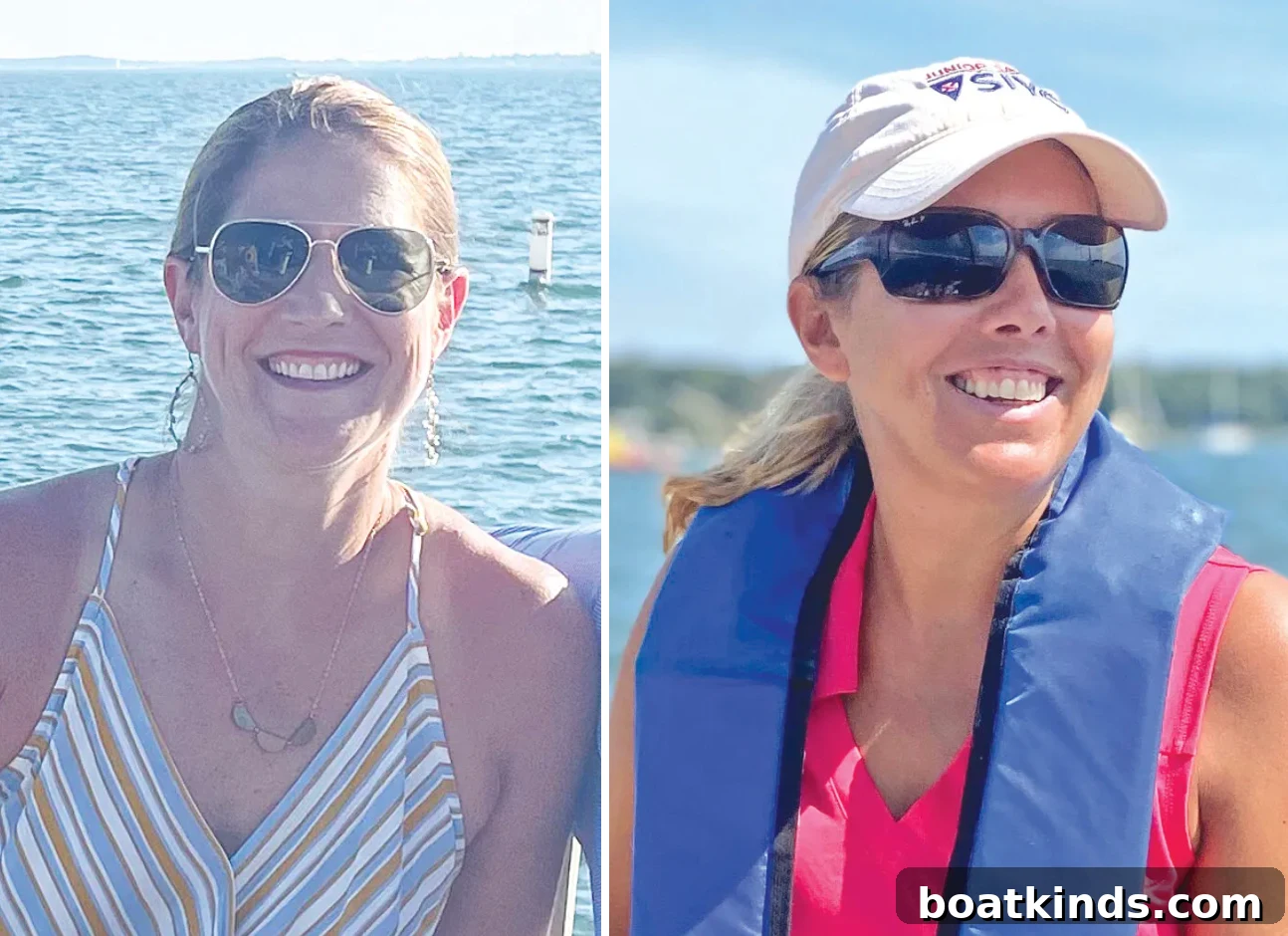
At Shelter Island Yacht Club, organizers have created specific spaces where women can race, officiate, and lead. The club hosts three all-women regattas that operate with all-female race committees and judges, and with courses set by women. Those events are designed not only to celebrate female sailors but to build competence and confidence by putting women in every role required to run a successful regatta. When women see other women managing races, refereeing, and calling tactics from the committee boat, it normalizes leadership and opens pathways for broader participation.
Creating these kinds of supportive environments has a ripple effect: when women and girls feel invited and secure, more of them try sailing. That rising interest expands the pool of potential club leaders and future commodores. Mary Kalich captures the cultural importance of youth sailing in the region: for many North Fork children, sailing functions like Little League. It’s not only a sport; it’s a community activity that teaches teamwork, responsibility, and local tradition. As more girls take part from a young age, they gain the skills and confidence to pursue roles both on and off the water.
The current group of female commodores aims to normalize women’s leadership in club governance and competitive sailing. Their goals include increasing female membership, offering mentorship programs, encouraging women to take on committee and judging roles, and promoting youth sailing initiatives that welcome and support girls. While these initiatives vary from club to club, the shared focus is clear: build inclusive opportunities that make sailing accessible and enjoyable for everyone.
Their leadership also sends an important message to the broader sailing community. Visible representation at the highest club levels signals to members and neighbors that leadership is based on skill, dedication, and service rather than gender. Over time, that visibility can alter expectations about who belongs in leadership and who can be a role model for the next generation of sailors.
As more women and girls become involved in sailing—through youth programs, club races, and volunteer roles—the likelihood increases that future commodores will reflect the diversity of their membership. The recent appointments on the North Fork suggest steady progress toward that future, driven by intentional programming, mentorship, and a determination to make the sport more inclusive while preserving the local community traditions that make sailing such an important part of life on Long Island’s shores.