Man and His Dog Rescued After Months Adrift in the Pacific
In a dramatic sea rescue, a Mexican tuna trawler discovered 51-year-old Tim Shaddock and his dog, Bella, after the pair had spent two months adrift in the Pacific Ocean. The account highlights how basic survival measures, companionship, and a bit of luck combined to bring a harrowing journey to an end.
Departure, Storm Damage, and Loss of Communication
Shaddock and Bella left La Paz, Mexico, three months ago aboard a catamaran. One month into their voyage they were struck by a severe storm that destroyed the boat’s electronics, leaving Shaddock without any means of calling for help or navigating. With radios and instruments out of service, they were effectively isolated at sea.
How They Survived
For the following two months the pair survived by relying on simple, practical measures. They collected rainwater and supplemented their diet with raw fish from the ocean. To protect themselves from sun and dehydration during prolonged exposure, Shaddock stayed under the boat’s canopy when possible, which offered shade and helped reduce the risk of sunburn and heat-related illness.
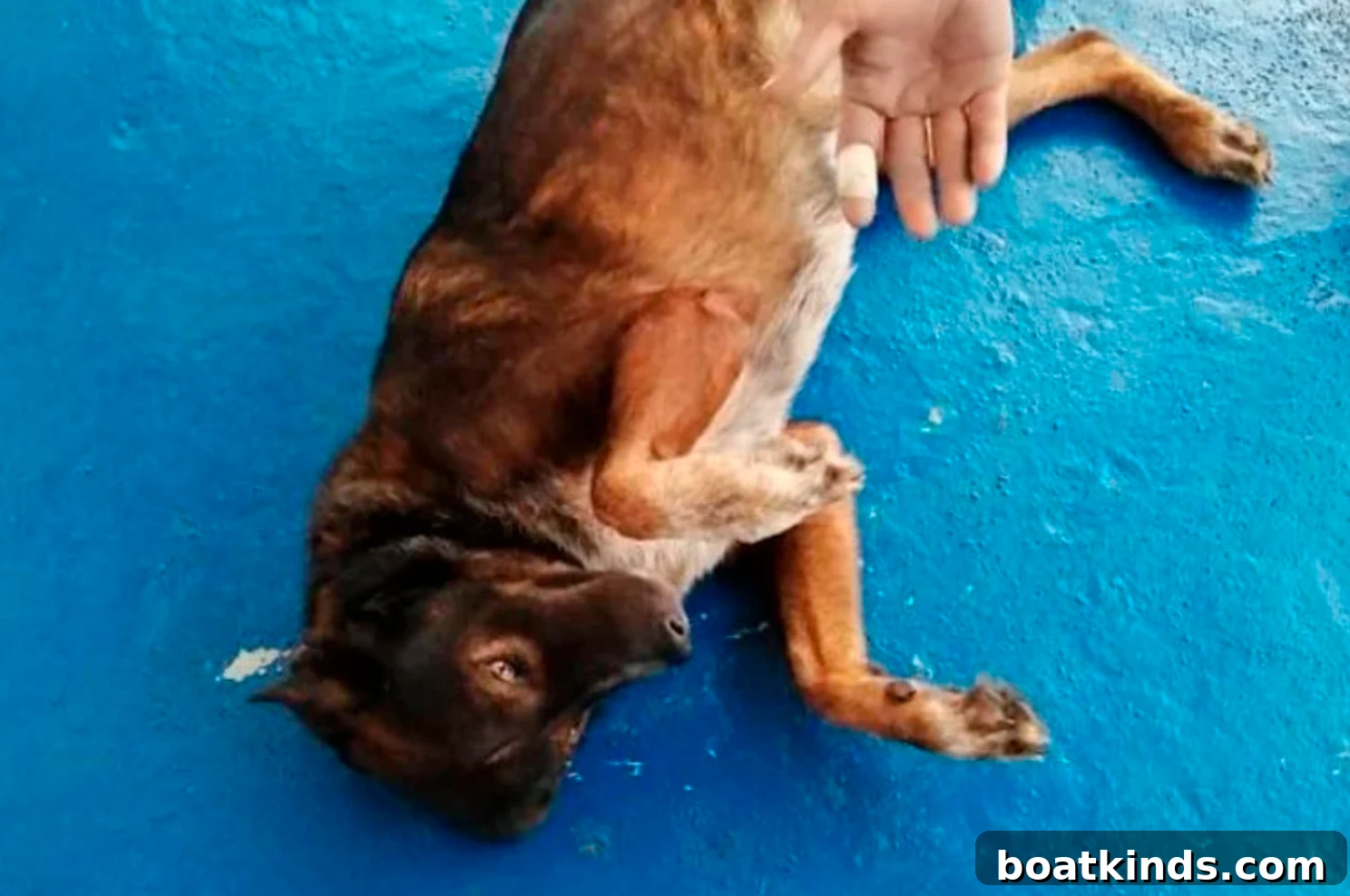
Companionship from his dog Bella also played an important role. Experts often note that psychological resilience and morale are critical in survival situations: having a companion can help maintain focus, stave off panic and provide motivation to continue seeking water and food. In this case, Bella provided both company and a reason to keep going.
Discovery and Rescue
A helicopter accompanying a Mexican tuna trawler eventually spotted Shaddock’s catamaran. The crew alerted the trawler, which approached and brought Shaddock and Bella aboard. Medical personnel on the trawler evaluated them; according to the attending doctor, Shaddock’s vital signs were within normal ranges, and he expressed a need for rest and proper food after his prolonged ordeal.
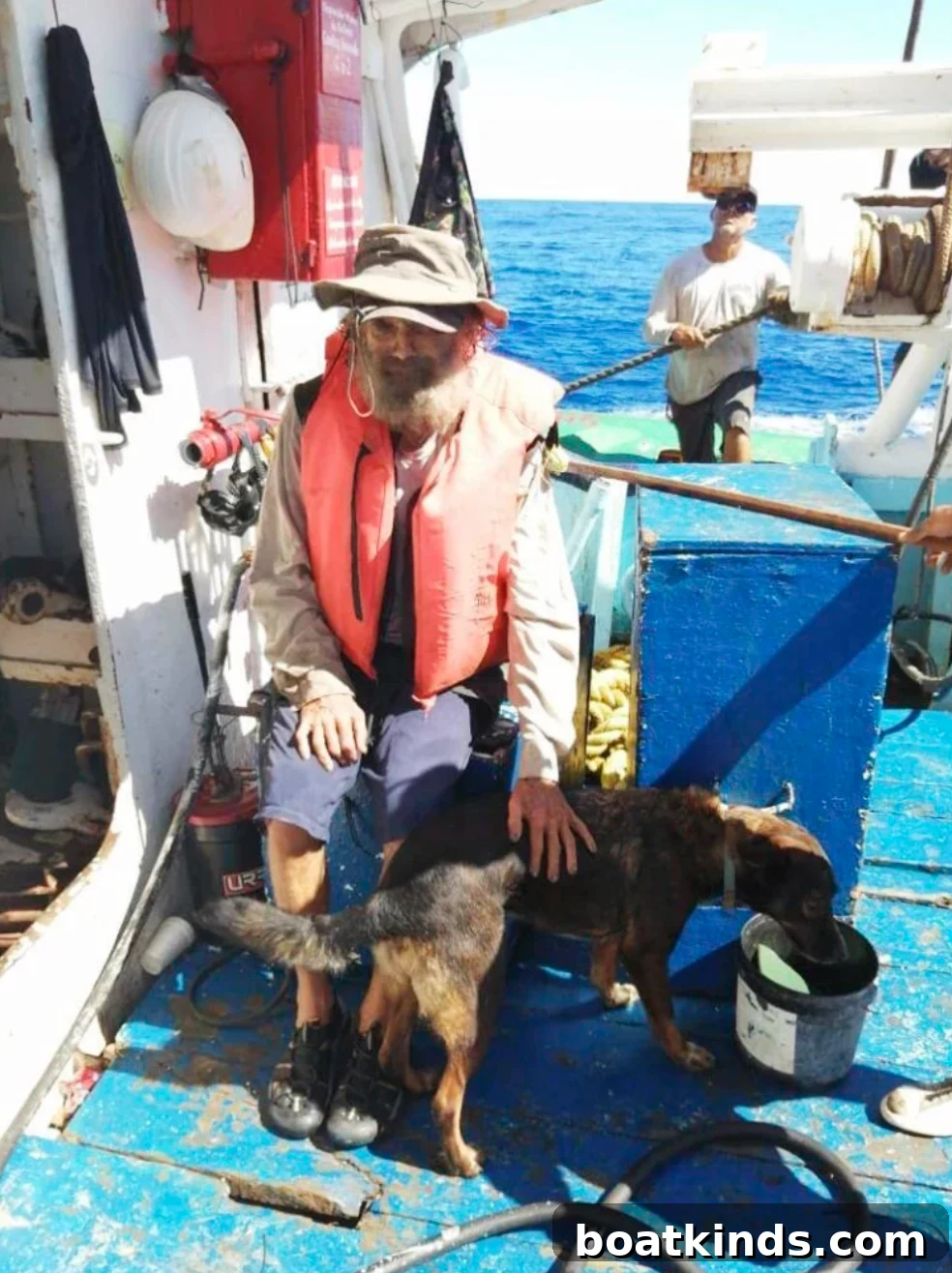
Shaddock told reporters he was exhausted and hungry, saying, “I’m just needing rest and good food because I’ve been alone at sea a long time. I have not had food, enough food, for a long time.” After the initial assessment aboard the trawler, the survivors were taken to shore for further medical evaluation and care.
Expert Perspective on Survival at Sea
Mike Tipton, a physiology professor who studies extreme environments, commented on the situation, noting that survival often depends on a combination of water collection, finding intermittent food sources, and maintaining a positive mindset. “Once you’ve got enough food and water, then I think the dog has an advantage,” Tipton said, emphasizing that both practical skills and psychological resilience influence survival time.
Tipton’s observation aligns with common survival guidance: prioritize shelter from the sun, preserve hydration, and look for renewable water sources such as rain. When boat electronics fail, basic seamanship—rigging makeshift shade, catching fish, and collecting rainwater—becomes essential.
Aftermath and Recovery
Following the rescue, Shaddock and Bella were transported to land where they were to receive further medical attention and rest. Initial reports indicate they were in stable condition upon pickup, though extended care and monitoring are typically recommended after prolonged exposure to the elements and limited nutrition.
Lessons from the Incident
This incident underscores several important points for anyone planning ocean voyages: maintain redundant communication systems when possible, carry emergency supplies for extended survival scenarios, and have a plan for shelter and water collection if electronics fail. It also highlights the unpredictable nature of the sea—storms can cause catastrophic equipment failure quickly, making preparation and resilience essential.
Reported by NBC News. The story emphasizes how practical survival measures, companionship, and timely detection by other vessels can combine to save lives at sea.