Yamaha Reveals Hydrogen-Powered Outboard Prototype for Miami International Boat Show
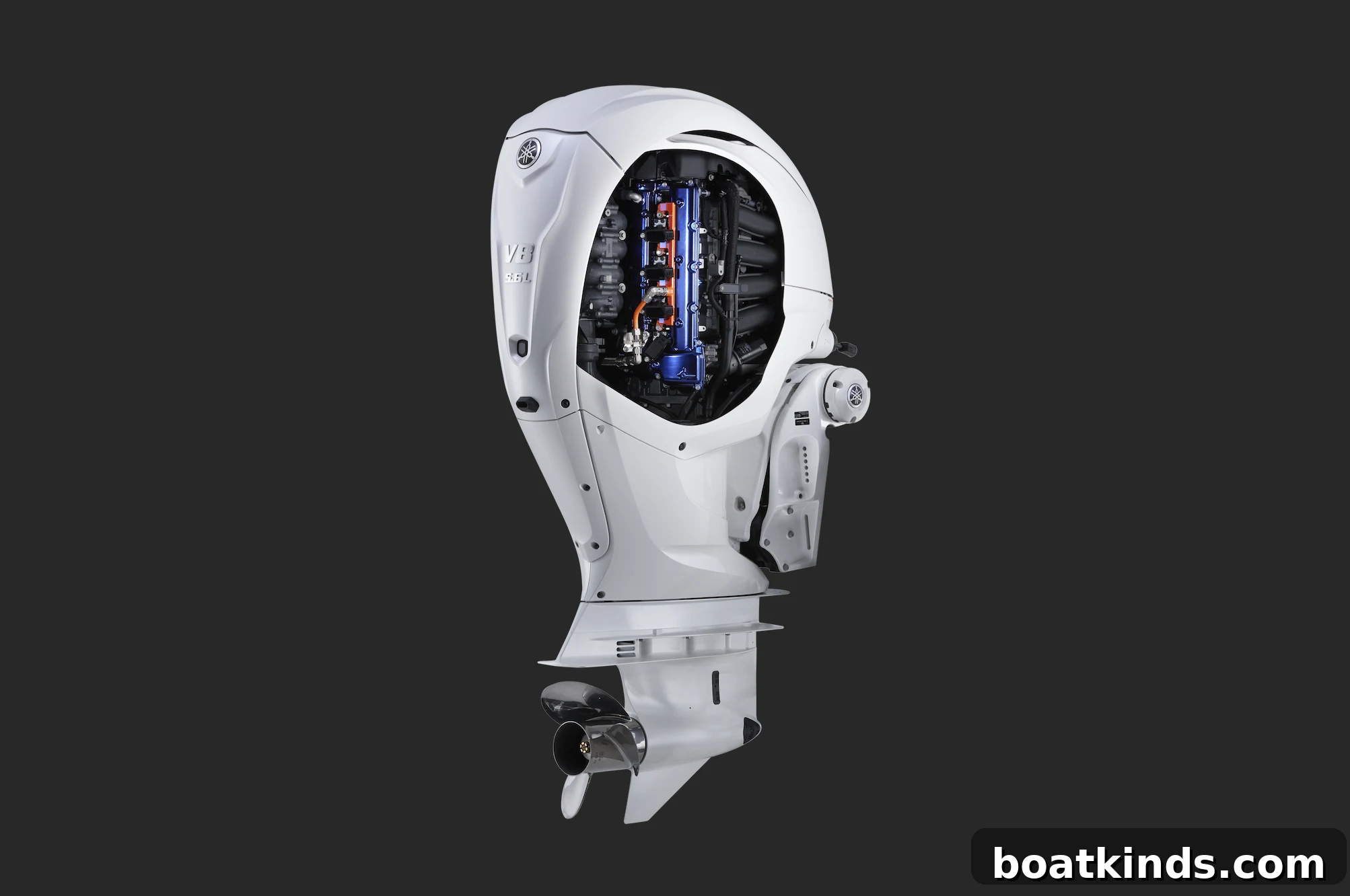
Yamaha Motor Co. will showcase a hydrogen-powered outboard prototype at the Miami International Boat Show in February 2024, signaling a renewed push toward cleaner propulsion for recreational and commercial boats. The prototype represents part of Yamaha’s broader shift toward renewable energy solutions and reduced carbon impact in the marine sector.
Stepping Toward Carbon Neutrality
In announcing the prototype, Yamaha reiterated its long-term environmental targets, including an ambition to achieve carbon neutrality for Scope 3 emissions by 2050. According to the U.S. Environmental Protection Agency, Scope 3 emissions encompass indirect emissions that occur throughout a company’s value chain from sources it does not own or directly control. Addressing Scope 3 means tackling upstream and downstream activities such as supplier operations, transportation, product use, and end-of-life disposal, an area where many manufacturers face complex challenges.
Yamaha’s focus on Scope 3 shows the company recognizes that reducing emissions in the marine industry requires cooperation across suppliers, service networks, and customers. Introducing hydrogen propulsion for outboards is a tangible step that targets emissions during the product-use phase while also encouraging development of supporting infrastructure and cleaner upstream processes.
Why Hydrogen for Outboards?
Hydrogen has emerged as a leading candidate for decarbonizing transportation sectors that are difficult to electrify with batteries alone. For marine applications, hydrogen’s advantages include quick refueling, a high energy-to-weight ratio compared with some battery systems, and the potential for near-zero tailpipe emissions when used in fuel cells or clean combustion systems. These qualities make hydrogen an attractive option for outboard motors, particularly where long range, fast refueling, or reduced onboard battery weight are priorities.
That said, hydrogen also brings challenges: storage and refueling infrastructure, on-board fuel management, and the source of the hydrogen itself. Green hydrogen—produced from renewable electricity via electrolysis—offers the most environmentally beneficial route, but scaling production and distribution remains an industry-wide hurdle. Manufacturers like Yamaha are exploring these trade-offs as they move from prototypes toward commercial solutions.
Industry Collaboration and Technology Development
Yamaha is not developing hydrogen technologies in isolation. Last year the company announced a partnership with Toyota to develop a hydrogen-fueled V-8 engine, showing that cross-industry collaboration can accelerate research and bring automotive and marine expertise together. Partnerships like this can help transfer advances in fuel cell systems, hydrogen storage, and materials technology between sectors, reducing development time and risk.
For marine manufacturers, cooperation with energy companies, infrastructure providers, regulators, and other OEMs will be essential to delivering practical hydrogen solutions that boat owners can adopt. Yamaha’s prototype at the Miami show will offer attendees a chance to see the company’s approach and to evaluate how hydrogen might fit into future boating lifestyles.
What to Expect at the Boat Show
At the Miami International Boat Show, Yamaha’s hydrogen outboard prototype will be one of several industry demonstrations focused on sustainable technologies. Visitors can expect Yamaha to present the design intent, explain how the prototype integrates hydrogen fuel systems, and outline steps for testing and eventual commercialization. While a prototype does not represent a finished, market-ready product, it provides valuable insight into engineering direction and the company’s commitment to alternative propulsion.
Looking Ahead
Yamaha’s hydrogen outboard prototype highlights a broader trend across the marine industry toward diversification of propulsion options. Battery electric outboards, hybrid systems, synthetic fuels, and hydrogen all have roles to play, depending on vessel type, range needs, and operating conditions. By investing in hydrogen technology now, Yamaha is positioning itself to offer boaters more choices as the supply chain and refueling networks evolve.
As the industry works toward lower emissions and greater sustainability, prototypes like Yamaha’s help advance engineering knowledge and raise awareness of practical alternatives to fossil-fuel-powered outboards. The Miami International Boat Show display will be an early public milestone for Yamaha’s hydrogen efforts and a sign of ongoing innovation in marine propulsion.