
Read the U.S. Coast Guard’s annual boating statistics and you might assume medical emergencies at sea are uncommon — but that’s misleading. Collisions grab headlines, yet for offshore cruisers they are relatively rare and often avoidable. Fires, flooding, or mechanical breakdowns tend to get more attention, but the single most frequent cause of distress calls is not a problem with the vessel at all: it’s a medical emergency involving a person aboard. No amount of seamanship can prevent some sudden illnesses; the only reliable strategy is preparation and awareness.
If you doubt how common medical evacuations are, search for “Coast Guard medevacs” and you’ll quickly see how often crews respond to sick or injured people. Understanding that medical issues are the leading cause of rescue at sea should change how you prepare for every trip and how you manage passengers’ health information, medications, and onboard training.
Time vs. Distance
Every mile you travel from the dock adds time to reach advanced medical care — roughly four minutes per mile in a fast boat, on average. Even short offshore passages can put you hours from a hospital. For example, a run from Fort Lauderdale to Freeport in the Bahamas can leave you two or three hours away from emergency care. That distance magnifies the risk of an otherwise treatable condition and makes a basic first aid kit insufficient by itself.
Before you leave the dock, you should know the medical history and key health concerns of every person aboard, and they should know yours. Too often, fishing partners and friends don’t know if someone is diabetic, has a heart condition, or carries life-saving medications or drug allergies. When an incident occurs and the trip to emergency care takes four times longer than from shore, having those details immediately available can mean the difference between a good outcome and a tragic one.
Asking about private medical history can feel awkward, but there is a simple, free, and effective solution: a sealed, single-page medical information letter. Before you head out, prepare a one-page summary of your critical health information, seal it in an envelope, and hand it to the person in charge as they help you aboard. Say something like, “If I can’t speak for any reason, please give this to emergency personnel.”
That one page should include brief medical history highlights, any drug allergies, the names and phone numbers of your primary care physician and an emergency contact, and a list of prescription medications you take. If you take no medications, state that. This small, low-effort step provides rescuers and medical staff with immediate, reliable information when minutes matter.
I’ve never flown a professional mariner’s medevac where the ship’s captain didn’t hand me such an envelope with the patient’s medical details. If experienced crews make this standard practice, recreational boaters should do the same—there’s no reason not to.
Prescription Medications: Bring Them Aboard
What starts as a short trip can easily become an unexpected overnight stay: running aground, damaging a prop, or losing a fuel line can leave you waiting for daylight or a tow. When shore access is delayed, missing prescription medications can escalate into a life-threatening situation. Every year, medevacs involve people who didn’t bring critical medicines like insulin or blood pressure drugs.
Make a strict rule for your boat: no prescription medications, no boarding. Insist that every passenger brings their necessary prescriptions and don’t assume someone else has them. How much to bring? A reasonable guideline is enough doses for at least 24 hours or four times the planned trip length, whichever is greater. It’s far better to have extra medication and not need it than to find yourself without it in an emergency.
Training and Equipment
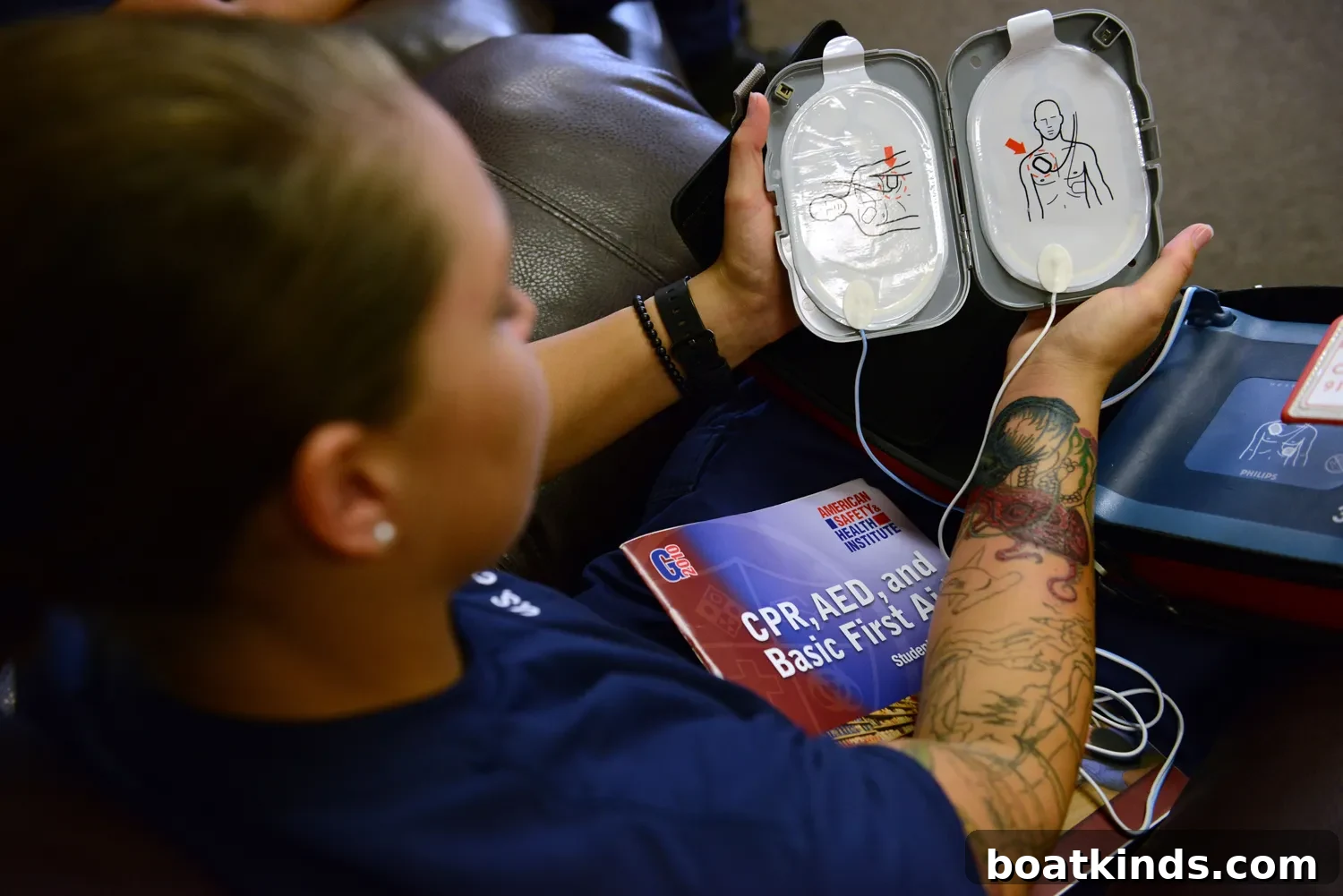
Professional mariners — captains and crew — are required to have first aid training and CPR certification, and their vessels often carry AEDs (Automated External Defibrillators). Recreational boaters typically do not have the same requirements, yet the ocean treats everyone the same. If someone suffers cardiac arrest or another serious medical event, prompt CPR and an AED can be lifesaving.
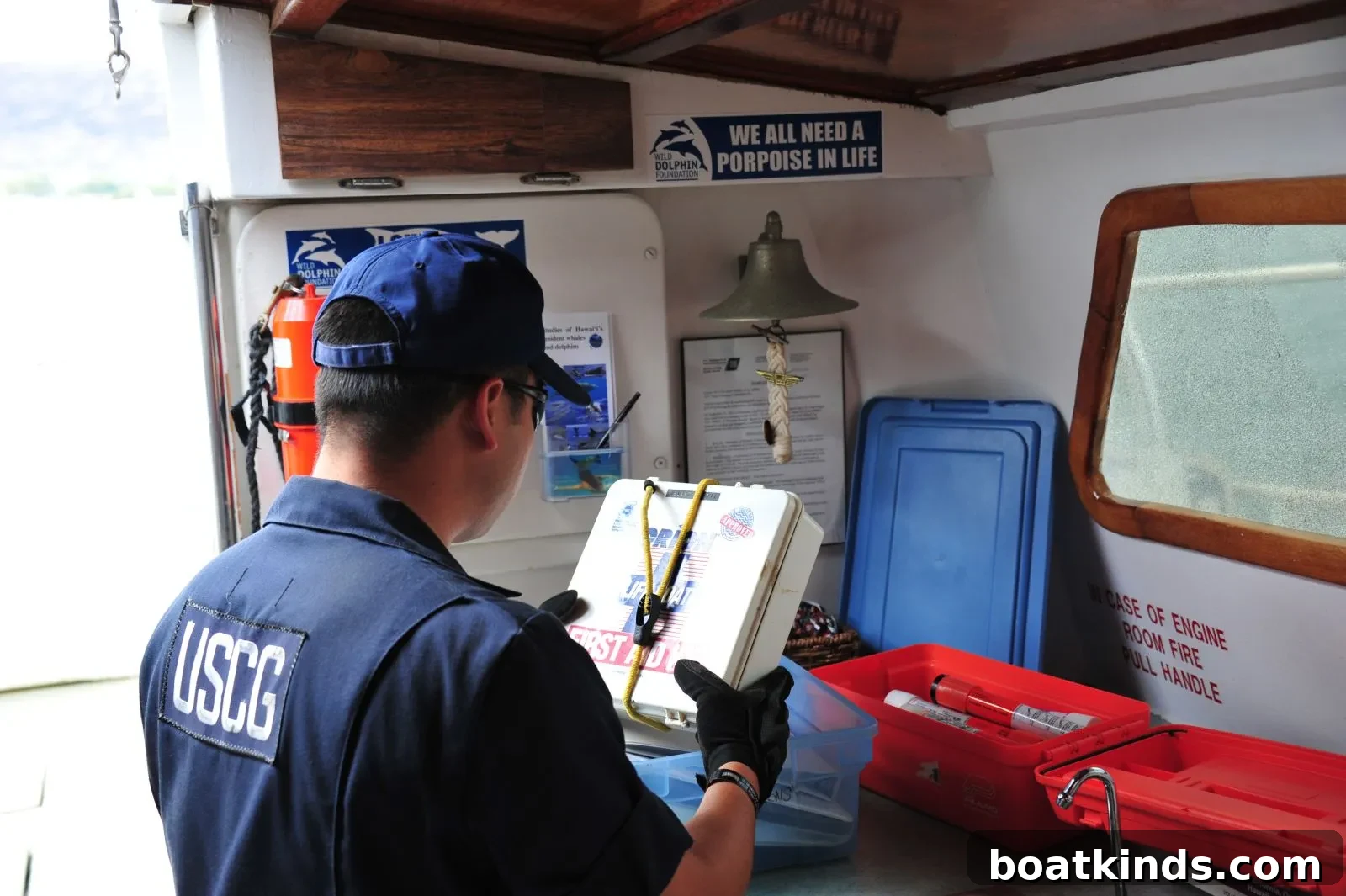
If you cruise offshore, invest in basic medical training: at minimum, take a certified CPR course and a basic first aid or wilderness/remote first aid class. Carry a well-stocked medical kit appropriate for the size and duration of your trips, include an AED if possible, and make sure at least one person aboard is trained to use it. Familiarize yourself with how to contact emergency services from offshore and how to describe your position and situation clearly.
Remember the time-versus-distance trade-off: with modest training and the right gear, your boat becomes a much safer place. Medical emergencies are the most common cause of distress at sea, but they are also the most preventable when you prepare, communicate, and equip your vessel and crew wisely.