
Sir Robin Knox-Johnston Finishes Third in Route du Rhum, Vows to Return in 2018
Sir Robin Knox-Johnston, celebrated for becoming the first person to sail single-handed and non-stop around the world in 1969, recently secured third place in the Route du Rhum. The Route du Rhum is a demanding solo trans-Atlantic race covering approximately 3,542 miles from France to Guadeloupe, and Knox-Johnston’s performance once again highlighted his enduring skill, determination, and experience at sea.
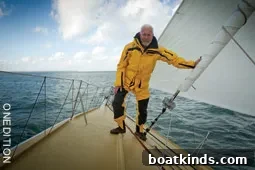
At 75 years old, Knox-Johnston completed the race aboard his Open 60 yacht, Grey Power, a boat that has served him for many seasons. Despite the boat’s age, his result demonstrated that seamanship, strategy, and mental toughness remain decisive factors in solo ocean racing. After the finish, he publicly pledged to return for the next edition of the Route du Rhum in 2018, and announced plans to compete with a smaller boat than his 14-year-old Open 60.
Why the Result Matters
Finishing on the podium in a highly competitive solo trans-Atlantic event is a significant achievement for any sailor, and it carries particular weight for a veteran like Knox-Johnston. His podium place is a reminder of both his historical place in the sport and his continued competitiveness. For sailors and fans alike, his performance serves as an example of longevity in high-performance offshore racing.
Plans for 2018 and the Move to a Smaller Boat
Knox-Johnston’s decision to contest the next Route du Rhum in a smaller boat reflects a practical assessment of his goals and the demands of solo ocean racing. Smaller boats can offer advantages in terms of easier handling, simpler systems to maintain, and different tactical options in varying weather conditions. While the Open 60 class is renowned for its speed and extreme design, a smaller yacht may provide a more manageable platform for a solo campaign focused on reliability and consistency.
The Nature of Solo Ocean Racing
Solo trans-Atlantic races like the Route du Rhum test a sailor’s ability to manage navigation, weather strategy, sail changes, sleep, and maintenance under continuous strain. Competitors face a mix of long offshore passages and highly tactical stretches, and every decision can affect overall performance. Experience plays a central role in anticipating problems and making the right choices under pressure—qualities that have defined Knox-Johnston’s career and helped him remain competitive against younger rivals and more modern yachts.
Legacy and Inspiration
Knox-Johnston’s enduring presence at the forefront of ocean racing adds to his legacy as a pioneer of single-handed sailing. His achievements continue to inspire new generations of sailors who follow solo offshore racing, and his commitment to returning for future events reinforces his passion for the sport. Observers of the Route du Rhum and offshore racing communities will be watching closely to see how his next campaign unfolds and what boat he chooses for the 2018 challenge.
In summary, Sir Robin Knox-Johnston’s third-place finish in the recent Route du Rhum reasserts his status as one of the most respected figures in solo ocean racing. His promise to return in 2018 in a smaller boat signals a thoughtful approach to future competition and underlines the enduring competitive spirit that has defined his remarkable sailing career.
February 2015 issue