
How Onne van der Wal Keeps His Propeller Free of Marine Growth with Propspeed
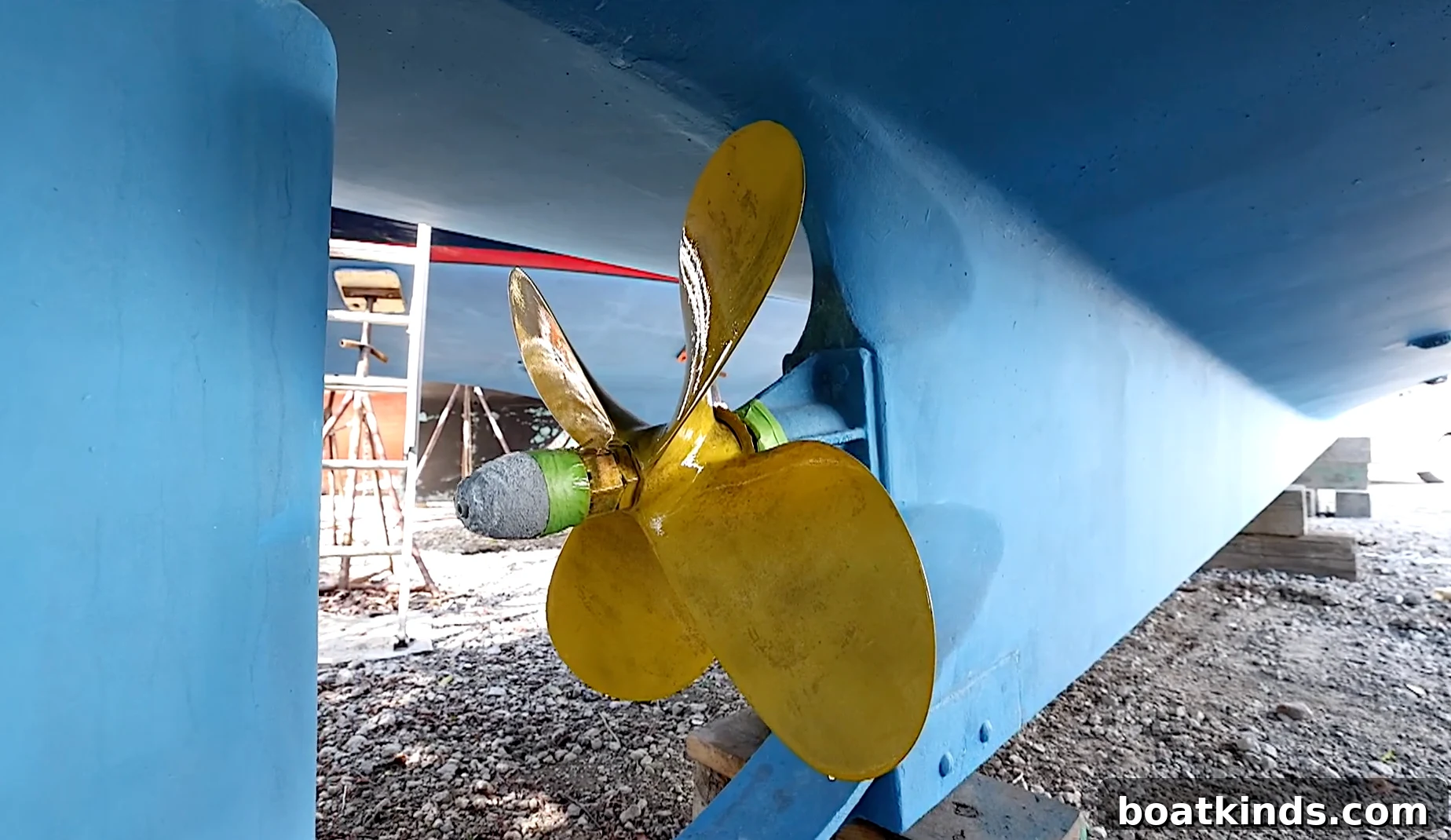
Keeping a propeller free of barnacles and other marine growth can make a noticeable difference in a boat’s performance and fuel efficiency. For photographer and sailor Onne van der Wal, the solution has been Propspeed, a foul‑release coating that prevented buildup on his prop for seasons at a time.
Onne first used Propspeed on his 1972 Pearson 36, Snoek. He says the coating kept the propeller looking “gold and shiny” for about three seasons. After trying other products with limited success — and repeatedly finding barnacles each time the boat came out of the water — he chose to give Propspeed a try on his 1986 Grand Banks 32, Snow Goose, where every bit of prop performance counts.
Why a foul‑release coating?
Foul‑release coatings like Propspeed are designed to discourage marine organisms from attaching firmly to underwater surfaces. Instead of killing growth with biocides, these coatings create a slick surface so that organisms are more easily shed while the boat is underway or removed during routine maintenance. The result can be cleaner running gear, reduced drag and less frequent scraping and cleaning of propellers and other appendages.
Surface preparation and application
Proper surface preparation is critical to achieving a durable, long‑lasting finish. Mayes, Propspeed’s technical and training specialist who applied the coating on Snow Goose, emphasizes thorough sanding and contamination control. He started the job by sanding the propeller with 80‑grit paper, using an orbital sander for larger areas and hand sanding tight spots and the blade roots. Ensuring that the metal is clean and free from oils, fingerprints and other contaminants is essential before moving on to the chemical prep steps.
Propspeed’s kits include a Propclean wipe for removing surface contaminants and a Propprep wipe that chemically prepares the metal for the Etching Primer. The Etching Primer comes in two parts — a base and a hardener — that must be mixed immediately before application. Because of the chemical cure, timing and ambient temperature are critical: the second coat of primer must be applied while the first coat is still tacky to ensure optimal adhesion. Propspeed recommends an application temperature range of 60 to 90 degrees Fahrenheit and provides a timing chart to guide users. A practical tip is to test the tackiness of the coating with a gloved finger to determine when the next coat should be applied.
Finishing and coverage strategy
After two coats of the etching primer — which give the propeller its characteristic yellow‑gold appearance — the clear Propspeed foul‑release topcoat must be applied within the same timing window. For larger running gear or jobs that cannot be completed in one pass, Propspeed suggests breaking the work into manageable sections so each area receives the primer and topcoat within the required cure times. This sectional approach helps maintain consistent adhesion and finish quality across the entire propeller or other components.
Mayes also treated the transducers on Snow Goose during the same session. Many boat owners choose to apply Propspeed not only to props but also to rudders, struts and other underwater hardware where fouling can reduce performance or complicate maintenance.
DIY or professional application?
Onne plans to tackle the next application himself after watching the technician work. The process is straightforward but requires attention to detail, careful timing and clean working practices. For boat owners comfortable with sanding, masking and following precise cure‑time instructions, DIY application is a realistic option. Others may prefer to have a trained applicator handle the job to ensure optimal results.
Results and maintenance expectations
Onne reports that Propspeed kept his propeller clean for approximately three seasons on Snoek, and he expects similar performance on Snow Goose. While results will vary with local water conditions, maintenance schedule and boat usage, a well‑applied foul‑release coating can significantly reduce the frequency of heavy cleaning and preserve propeller efficiency over time.
A video of the application process was filmed while Mayes applied Propspeed to Snow Goose, documenting the sanding, preparation and timing considerations that make the coating effective.