
It takes a hearty soul to live aboard when fall turns to winter. Being cold on a boat feels as out of place as being drunk in church: the two just don’t mix. Still, a growing number of people choose to boat for pleasure in cold weather. I’ve spent several subfreezing winters aboard close to home, and while I can describe what it’s like, I won’t pretend I enjoyed every minute.
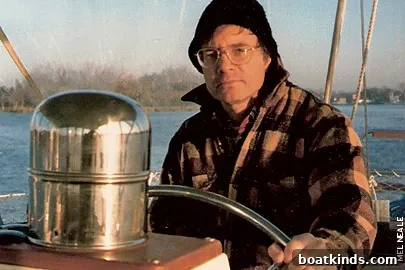
When we first started living aboard on the Chesapeake Bay, winter meant icicles on portholes and frozen surprises in the most unlikely places. Even plugged into shore power with hot water, the plumbing runs would warm the cavities and then lose heat before the shower, leaving delicate icicles hanging from the porthole as the water reached you—hardly inspiring for anyone imagining polar exploration.
Electric space heaters provided short-term comfort but did nothing to remove the humidity generated by cooking, breathing, and daily life aboard. Condensation collected on cold aluminum frames: shower portholes dripped, and the hatch above our bed produced intermittent icy drops that woke us at night. Sleeping under covers only delayed the inevitable. Eventually we learned it was better to feel the cold shock, wipe it away, and move on.
Our Florida-built fiberglass boat had almost no cold-weather insulation, which had odd benefits. Every locker became a refrigerator—convenient for chilling beverages you didn’t really want. Cold deodorant and frozen rolls of toilet paper became part of life aboard. The lack of insulation was uncomfortable, but it made for some memorable lessons in living with cold.
Hose Play
Although rain and condensation provided moisture inside the boat, filling freshwater tanks in winter was a major challenge. Marinas often shut off dock water when temperatures drop, so we relied on long hoses to reach heated buildings and working spigots. Long hoses freeze from the inside out, and thawing a stiff, iced hose is a wrestling match: you massage, trickle, and hope the thaw progresses before the water refreezes.
To cope, liveaboards formed a warm-hose commune. We pooled hoses, stored them in heated shops, and staged coordinated tank-filling parties. The choreography involved rushing warm hose sections to a spigot while trying to keep the water flowing. Dribbling water froze as soon as it hit the dock, creating treacherous ice spots, and one slip could bring the whole hose train to a halt. Inevitably, the new guy in the crew was the one racing ahead with the dribbling end.
Dog-Day Afternoon
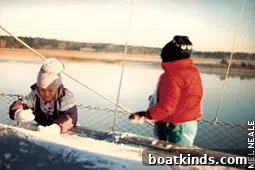
Leaving the boat in winter introduced its own hazards. Docks iced over into sheets—jumping felt like relying on dental floss for safety. If the boat froze away from the pier, a gangplank was essential. Some gangplanks bent underfoot, cracking ice as you inched across. People developed quirky techniques to move safely: one common trick was to use a frozen cockpit cushion as a makeshift sled, sitting on it and pushing along the dock.
I tried that once until a large dog bounded onto the pier and couldn’t stop on the ice. The ensuing chaos nearly launched us off the end of the dock, and though we all survived, it was a reminder that the simplest innovations can collide with unpredictable hazards. We didn’t invite the dog aboard despite the cold; our bed over the rudder well was already painfully chilly. On the coldest nights, the space under the mattress collected condensation that froze, and on marginal nights it crept up into the sleeping surface despite extra insulation.
Heat of the Moment
We had reverse-cycle air systems, but their heating performance dropped off as seawater cooled. One December morning, the heat pump discharge frozen into elegant columns of ice convinced me to stop relying on them after mid-October. Electric space heaters were helpful but power-hungry and sometimes unreliable; we learned to run them on metal trays to protect the boat and avoided leaving them unattended.
Diesel-fired heaters were supposedly efficient and reduced moisture, but the cost put them out of reach when we lived aboard. Having grown up with a fireplace, we finally installed a marinized wood-burning stove: stainless steel with a cast-iron firebox. It produced a warm, dry heat and vented humidity outside. We carried split wood in plastic cans and learned to avoid hauling wood too early in the season to keep spiders and other hitchhikers off the boat.
Winter nights around that little stove were magical—spreader lights on, snow drifting past the rigging, the chimney smoke mingling with falling flakes. The fire muffled gusts and made the boat feel snug and quiet. When our first child, Melanie, began crawling, however, the stove became a hazard. We reluctantly removed it and made that space safe for a play area.
To reduce condensation and heat loss, we fitted Plexiglas storm windows over portholes and built wooden frames to screw Plexiglas onto hatches. These simple modifications cut drafts and drastically reduced dripping from aluminum frames. Some liveaboards erected tarpaulin or shrink-wrap enclosures over booms to trap warmth, but we preferred to keep an unobstructed view of snow falling past the rigging.
A Homemade Ice-T
Ice posed another, more worrisome threat: hard freezes around the hull and docks. As ice closed in, the narrow ring of open water around the boat shrank. Rather than buy an expensive bubbler, I fashioned a solution from a 10-foot galvanized pipe with a T-joint and began twice-daily routines of pounding the T into the ice around the hull and pilings. The work was cold and repetitive, but it broke the surface and allowed a skim of open water to form, keeping the hull free and the boat safe in its slip.
That winter we also hatched a warm-weather plan: head south with the family. We wanted our newborns near medical care and grandparents in those early weeks, so after a season of breaking ice, boiling frozen halyards, and hauling up chains encrusted with ice, we pointed the boat toward warmer climes. Skim ice haunted parts of the Intracoastal, and early mornings revolved around thawing frozen knots and chains, but by the time we passed Jupiter Inlet the sky, light, and water telegraphed the tropics. Heading south is hard to beat for escaping winter.

Now that we’re back on the Chesapeake and the season is turning colder again, I find there’s still pleasure to be had. Watching geese settle into fields, hearing hounds practice onshore, and feeling the crisp bite of air on deck are all part of a life that alternates between hardships and warm memories. We’ll head south again when the crowds thin and the cold grows bitter, but those winters aboard—however icy and trying—remain part of why we choose this life. Our daughters grew up saying, “We don’t do winter,” and they settled where it’s always warm. For us, the memory of cold nights, the small fixes and the camaraderie of liveaboards make the hard parts worth it.
Tom Neale is technical editor for Soundings and lives aboard a Gulfstar 53 motorsailer. His book, All in the Same Boat, recounts many of these experiences.
This story originally appeared in the January 2009 issue.