
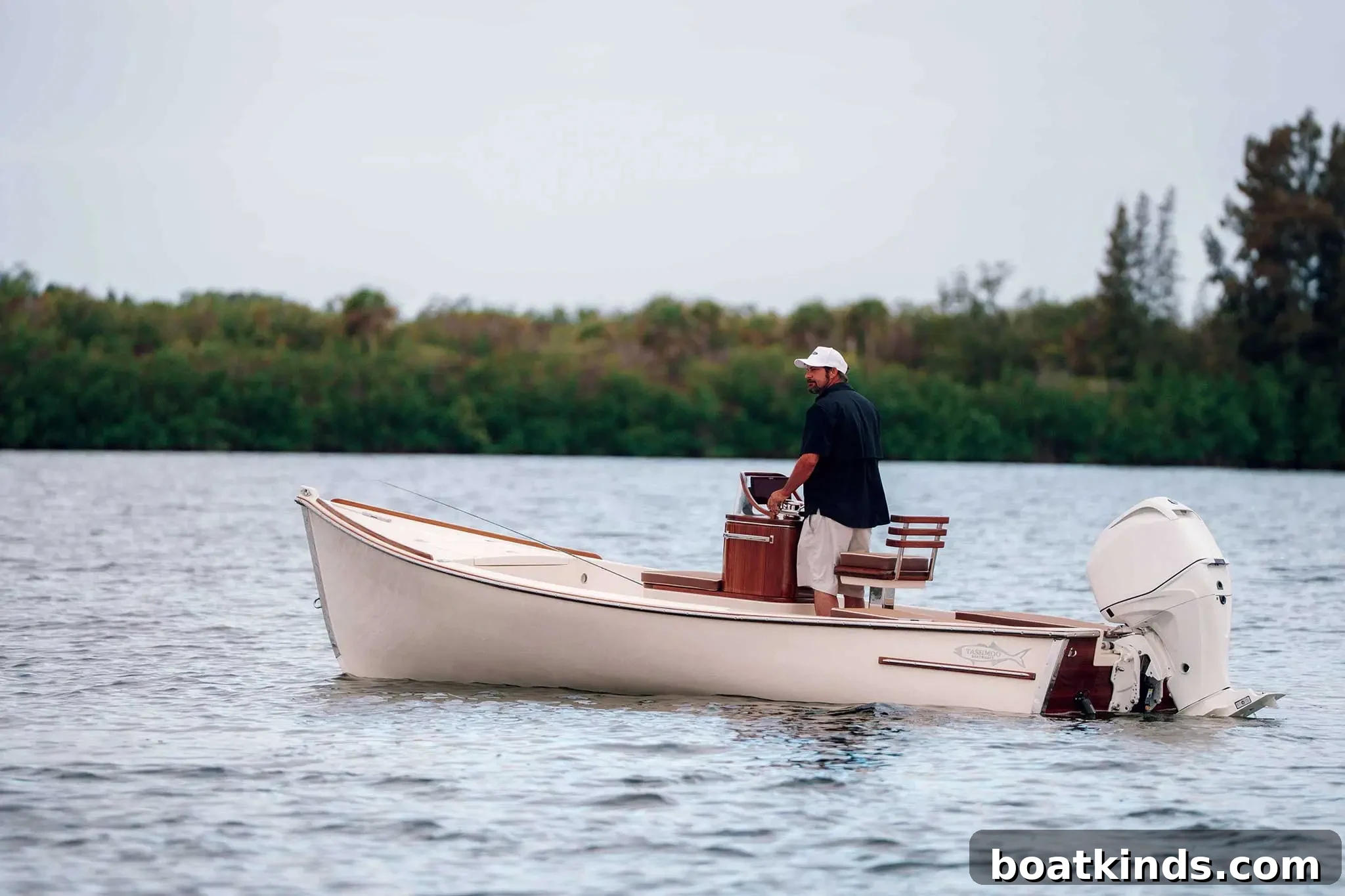
The Tashmoo Skiff Returns: Classic Downeast Design Reborn for a New Generation
I sold my 18-foot Tashmoo more than 20 years ago to the town of Vineyard Haven on Martha’s Vineyard. Harbormaster Jay Wilbur met me in Woods Hole, inspected the boat, wrote a check and told his assistant, “Take her home.” I called Wilbur every few years, and he always sounded delighted that the little skiff had joined the town fleet.
Fans of traditional Downeast skiffs will be glad to know the venerable Tashmoo line has found new life. These handsome, seakindly outboard boats were built for more than a decade on Martha’s Vineyard and are now being produced again after the molds changed hands.
Florida businessman David Reiter acquired the original molds and, working with small-boat expert Mark Castlow of Dragonfly Boatworks in Vero Beach, Florida, has begun building a new Tashmoo line. Three 18-foot models and drawings for a 24-footer were scheduled for display at the Newport International Boat Show in Rhode Island. Powered by a 40-hp outboard, the 18-foot Tashmoos are expected to reach speeds in the low to mid-30 mph range, offering lively performance for a compact, traditional hull.
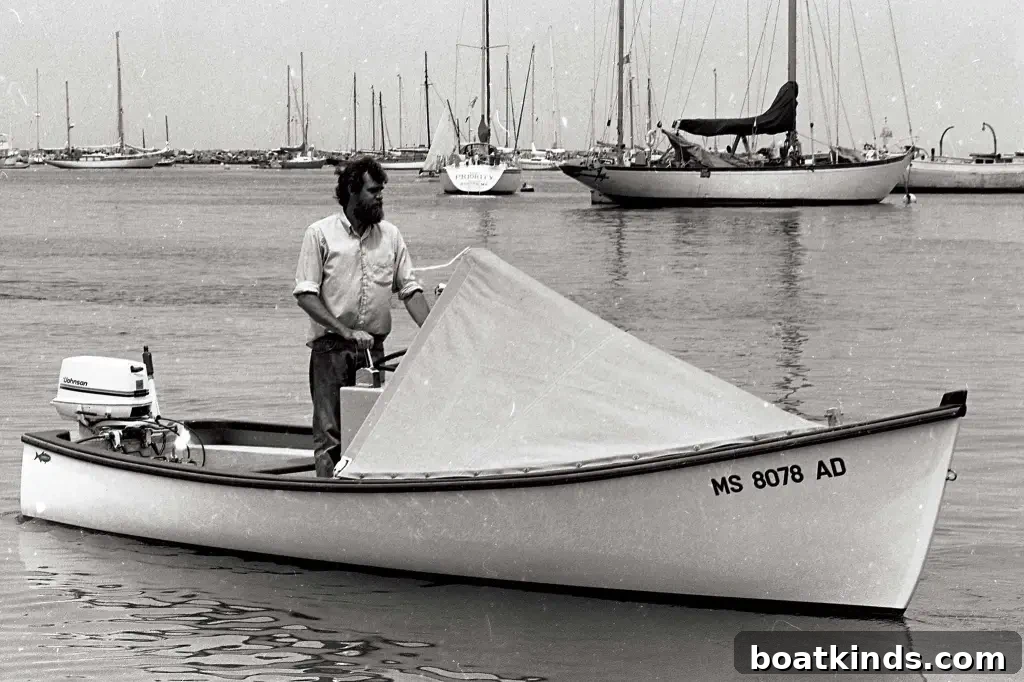
Castlow, a Florida native and former surfboard builder, is well suited to the project. Over a 40-year career he has developed a sharp eye for graceful lines and built a reputation for constructing strong, lightweight outboard skiffs, flats boats and yacht tenders. “I’m a sucker for the classic stuff,” says Castlow, who is committed to using the original tooling and preserving the essential lines and character of the boat.
He prefers customizing boats directly for owners rather than building at scale for dealerships. “I like building boats for people, not dealerships,” he explains. Those one-on-one conversations shape what the finished boat becomes—part craft, part personal statement.
The Tashmoo series—originally 15-, 18- and 24-foot models—was created by Dan West, who founded Machine & Marine on Martha’s Vineyard in the 1980s to build boats and operate a marina. West sold the company after 14 years but continued producing Tashmoos for some time. A skilled boatbuilder and sculptor, he later moved to Friendship, Maine, and worked as an artist until his death in 2021 at age 79.
“The lines were right. Everything about it was right,” says Kyra West of her late husband’s 18-foot design. The couple kept one of the 18s in Maine and used it regularly. The boat’s graceful bow, sweeping sheer and tumblehome transom have always been part of its charm and appeal.
I purchased an 18-foot Tashmoo from Dan about 38 years ago. He told me the boat’s origin story: he found an old wooden skiff decaying in a salt marsh at Lobsterville on the Vineyard—once used to tow a scallop dredge—and recognized the classic Jonesport lobster skiff lines. He rescued the derelict, repaired it enough to take a plug, and built molds from that rescued hull. That careful eye for a good hull is the reason the Tashmoo has such enduring appeal.
New owner David Reiter—who lives in Miami with his wife and two young sons—brings a fresh perspective. Although he owns a 65-foot Vicem powerboat, Reiter fell for the simplicity and aesthetics of the Tashmoo while spending time on small boats with his family in Florida. “These are the memories I want to create for my children,” he says. Reiter and Castlow reported strong interest from owners who appreciate the boat’s classic lines and uncomplicated functionality.
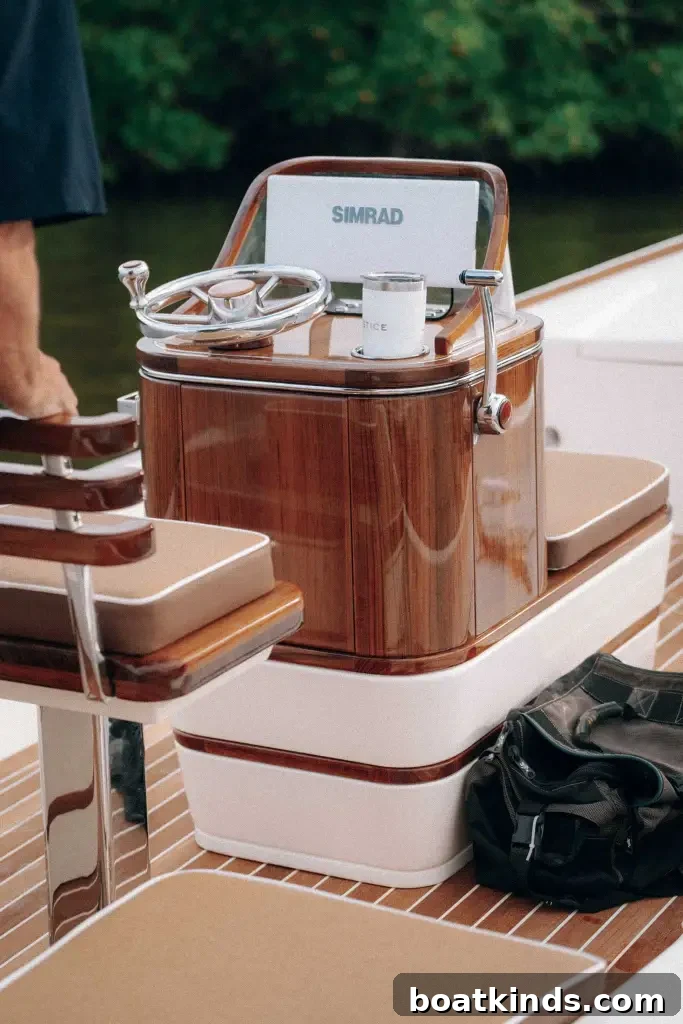
At the Palm Beach Boat Show a refined version of the Tashmoo 18 was displayed with a teak-finish console, pilot seat and a fabricated-wood transom. To reduce maintenance and cost, the production boats use realistic hydrographic film to mimic varnished teak, offering the warm look of wood without the upkeep.
Back on Martha’s Vineyard, deputy Tisbury harbormaster Morgan Reitzas confirmed my old green-foredeck Tashmoo is still in service and much loved. “It’s our harbor skiff,” Reitzas says. “We use it to check moorings. I’ve even saved a few sinking boats with it.” The boat’s continued usefulness underlines how a small, well-designed hull can be both beautiful and practical.
Dan West’s background helps explain the Tashmoo’s success. Raised by a family with strong nautical ties, he learned woodworking from an early age and absorbed traditions that informed both his boatbuilding and his later sculptural work. His grandfather’s nautical instruments business and a family heritage linked to tidal and pilot books placed West in a lineage of maritime craftsmanship.
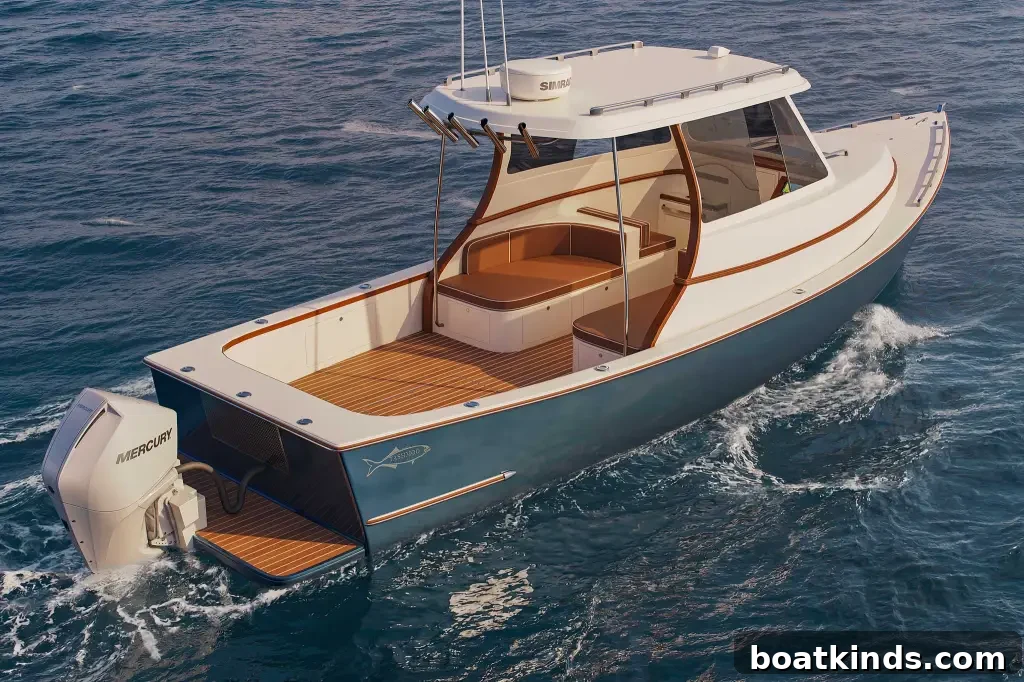
Reiter and Castlow say the reception in Palm Beach was encouraging, especially from Northeasterners who winter in South Florida and who appreciate the Tashmoo’s heritage. Interest has continued to grow, with several hundred inquiries arriving through the company website tashmooboatworks.com. Pricing was being finalized when this story was written.
Launching a boat company is demanding and uncertain, but there is a timeless appeal to well-proportioned, sea-kindly small boats that combine workboat heritage with everyday usefulness. The Tashmoo’s return is an affirmation that classic design, practical simplicity and quality construction still have a strong place in today’s boating world.
This article originally appeared in the September 2026 issue.