It’s a cold, blustery October morning at Harkers Island Fishing Center. A group of anglers shuffles down a narrow, weathered dock toward a dozen center consoles tied to the pilings. Each angler carries a bundle of fly rods over a shoulder like a soldier with a rifle, ready for action.
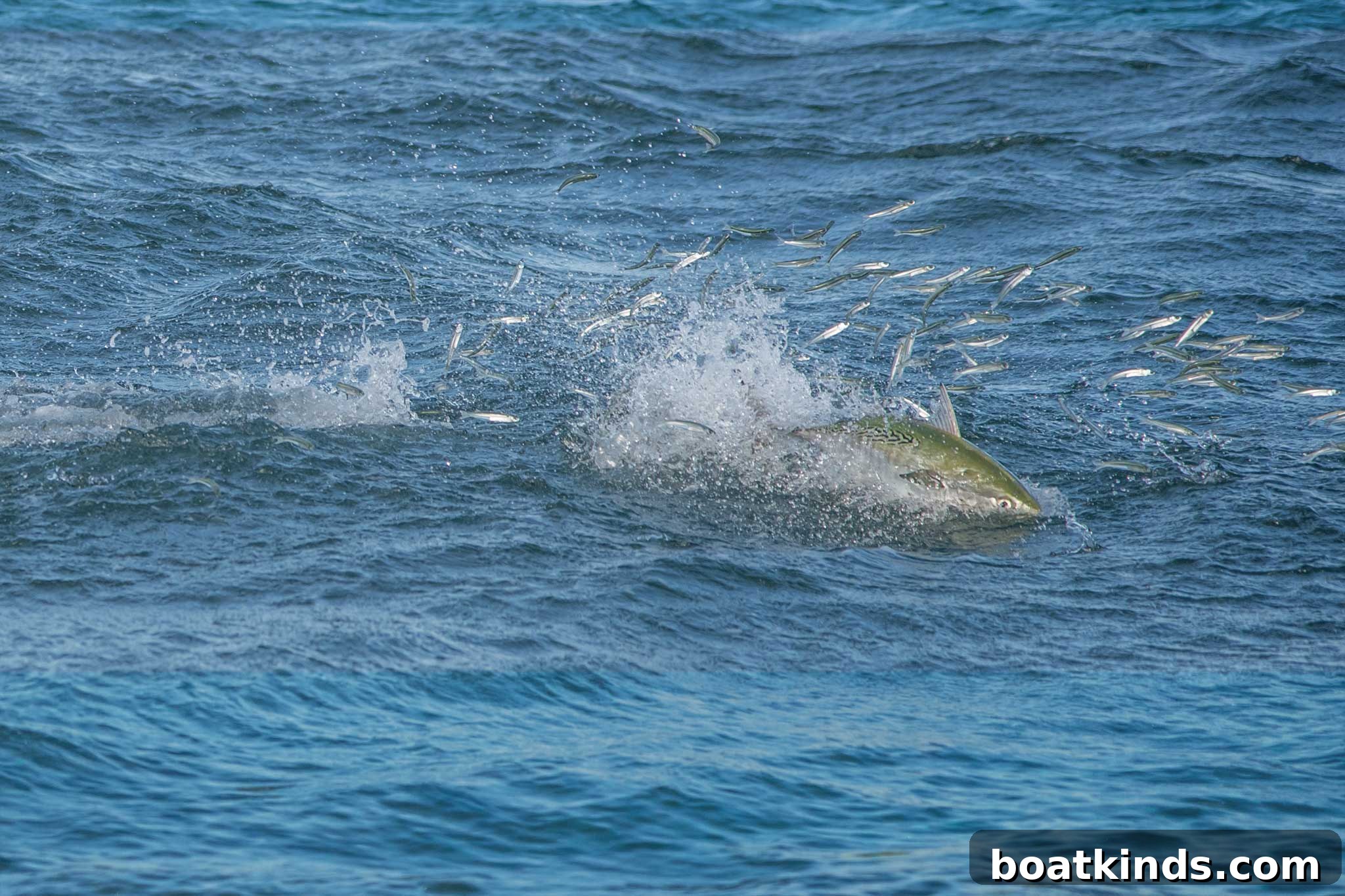
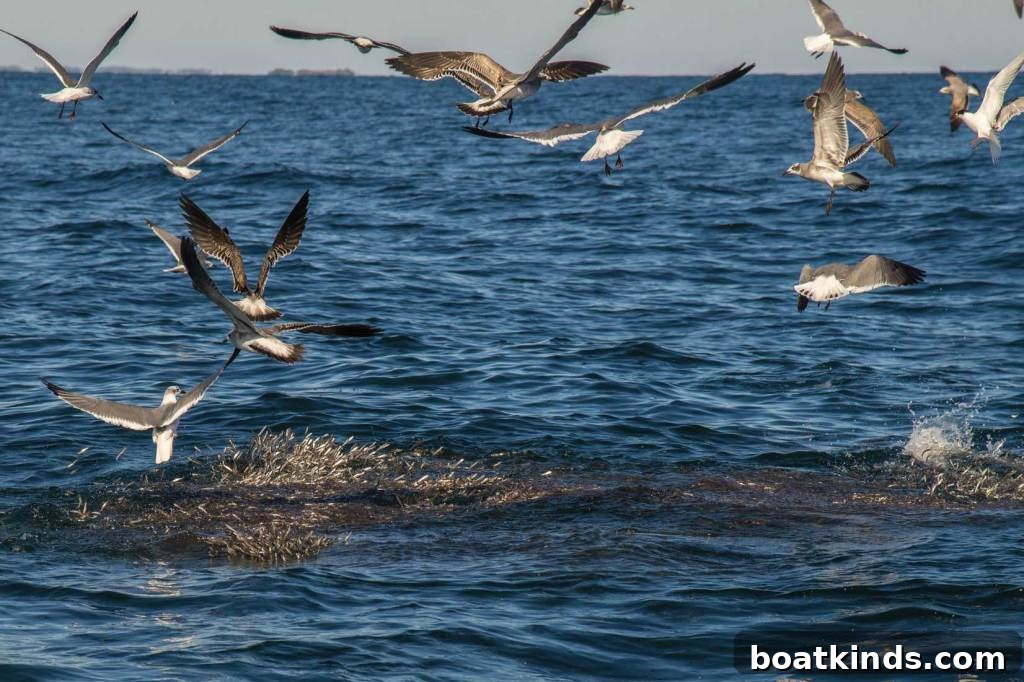
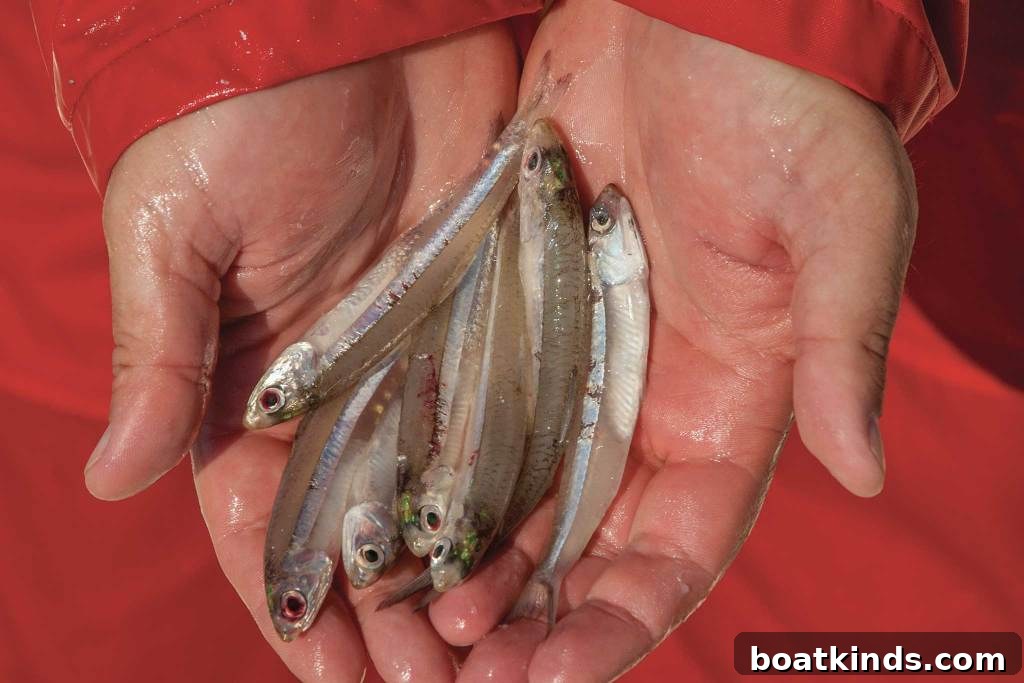
One by one the boats roar out into the sound and head for Barden Inlet. Just beyond the inlet, seabirds swarm over a chaotic scene: a school of false albacore has corralled a ball of bay anchovies and is tearing through it. Sheets of baitfish leap and scatter in a frantic escape. Anglers cast flies into the turmoil, fly reels sing, and rods bend as fish strip line in furious runs. Grins break out beneath foul-weather gear—this is the kind of fishing that wakes you up like nothing else.
This scene plays out along the waters near Cape Lookout, North Carolina, every fall. From early September through late November, baitfish are washed out of the vast North Carolina sounds into the Atlantic, and predatory fish follow. False albacore, red drum and various sharks converge where bait funnels through inlets. Fly and light-tackle anglers travel from around the world—drawn by the speed, the challenge and the spectacle.
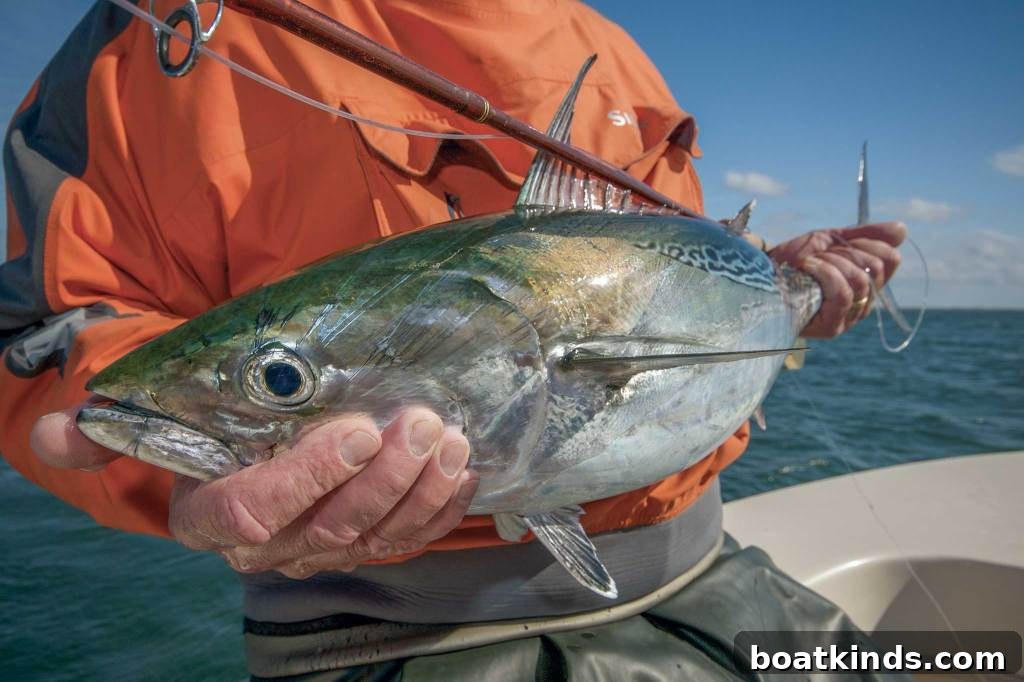
Little Tunny
Although several species can be caught during the run, the false albacore—often called albies, little tunny or “fat Albert”—is the season’s headline act. These torpedo-shaped tunas spend the summer in the Gulf Stream and arrive in Cape waters in early September. They’re not prized for eating, but they are exceptional sport on fly and light tackle. Fast, athletic and wildly strong, a typical false albacore weighs 8 to 12 pounds, and some push 20 pounds or more. When hooked, they sprint, peel off line and put a heavy bend in your rod before you can catch your breath.
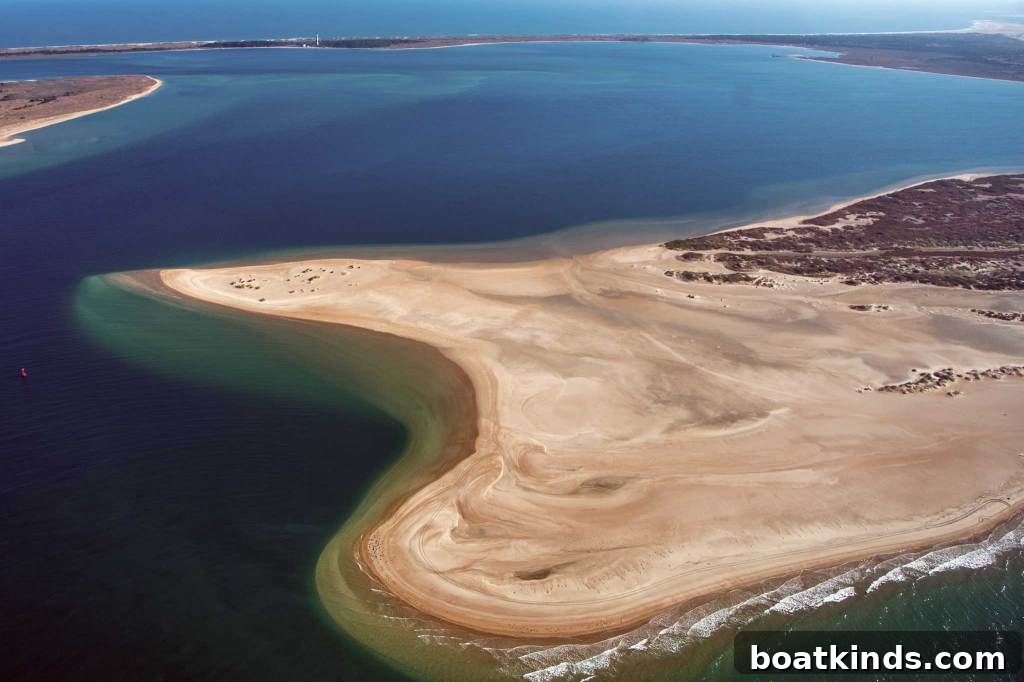
Albies school tightly and crush bait with explosive speed, often traveling 20 to 30 mph in bursts. The main action occurs between Atlantic Beach and roughly 20 miles north of Cape Lookout, with October typically offering the best action. Harkers Island is a convenient launching point for trips into Barden and Beaufort inlets and out toward the cape.
Iron Woman
If you’re new to the area, hiring a guide is usually a smart move. Catching albies looks simple from shore—cast into a breaking school and wait—but the reality is harder, especially in persistent wind and shifting schools. Capt. Sarah Gardner and Capt. Brian Horsley are guides who have worked the fall blitz for nearly two decades. I’ve fished with them many times and learned that local experience and good casting under pressure matter immensely.
Gardner, a phenomenal angler and fly caster who is also an Ironman triathlete, met me at the dock for my first albie trip in 2010. She’s tough and relentless—often outlasting clients in endurance. Early that morning she asked what kind of fishing I’d done. I admitted I’d fly-fished for stripers and other saltwater species, but never for false albacore. “You’ll get a workout today,” she warned, adding, “It’s going to be windy. How’s your casting when the wind’s up?”
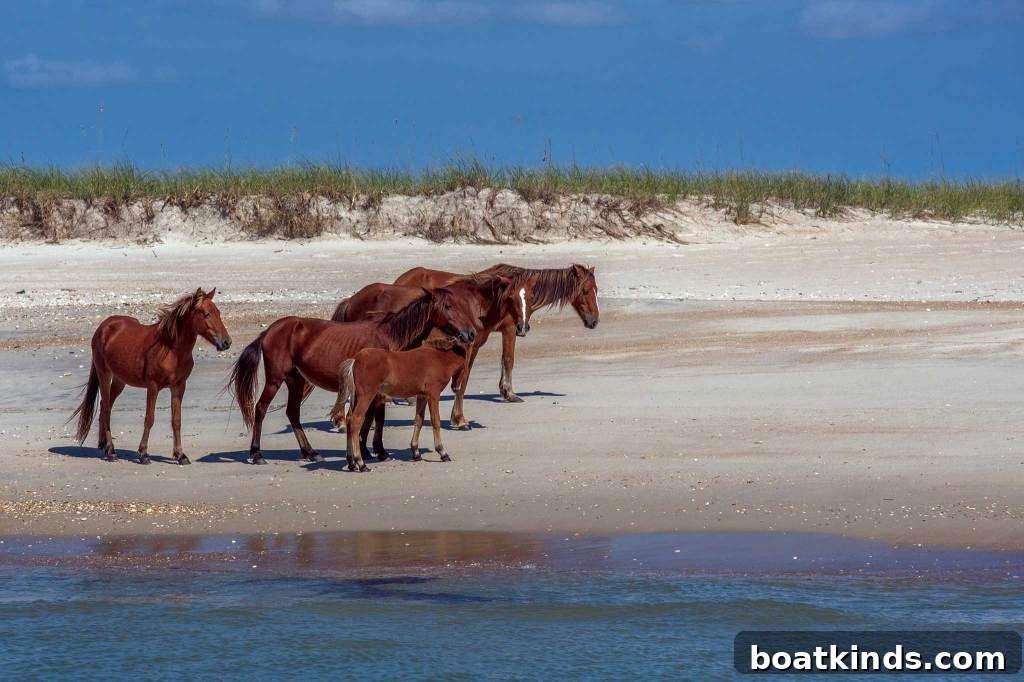
We threaded our way through shallow channels toward Barden Inlet, passing pelicans, herons and the Cape Lookout Lighthouse standing off the sand, while wild horses grazed along the marsh. Rounding into “The Hook,” we found a school of large albies on silversides. With the wind in my face I double-hauled repeatedly. A tip for anglers: practice wind casting before you come—this fishery rarely offers calm conditions.
When I finally connected—a pink-and-chartreuse Clouser stopped the chaos—the albies detonated the line and I felt an immediate, exhausting pull. After a fierce battle I held an 18-pound false albacore. Releasing it, I was instantly hooked on albies myself. Gardner had taught me another lesson that day: when albies are working a ball of bait, the school rarely stays still. “Casting to where they’ll be next is often more important than casting to where they were,” she said. Success requires reading the motion of the school, quick casts and relentless effort.
We pushed east toward Cape Lookout, passing anglers camped on the white sand and threading our boat through “The Slot” to avoid shoals. A seabird tornado marked the location of a feeding frenzy: spinner sharks threaded through a red ball of anchovies while albies targeted fleeing bait. Every cast into that chaos brought adrenaline and, often, another hooked fish. For a long spell the bait ball held together and one after another the fish hit. By the seventh strike I was spent but exhilarated—there’s no better lullaby than a day of hard fishing.
The Pumpkin Patch
The albie season builds a tight camaraderie among anglers on Harkers Island. By my third year I’d formed friendships with fellow addicts. Hugh Davis, a photographer, birder and accomplished saltwater angler, makes the trip from Raleigh nearly every weekend during the run. He prefers chasing big schools of red drum in addition to albies, and he readies specialized rigs for the task.
One dawn Davis tied flies while drinking coffee and explained that for red drum he often uses large white-and-chartreuse flies or a full-sinking line to get deep targets. His approach is to hunt the drum, and if albies appear along the way, they’re a bonus. On one memorable day a spinner shark signaled activity a mile out; following it we found a cooperative school of giant red drum feeding on bunker. Bucktails went in, drag screamed, and we landed several impressive fish before the school moved on—those are the days that stick with you.
Back at the dock, anglers trade stories and the day’s details over cold drinks. The drive home is long but the memories linger: the rush of a screaming line, the sight of birds and sharks converging, the smell of salt and diesel. Fishing the Cape isn’t perfect every day—there are slow days and challenging winds—but when conditions align, the experience is magical and relentlessly addictive for anyone who loves fast, surface-driven saltwater action.
This article was originally published in the November 2026 issue.