
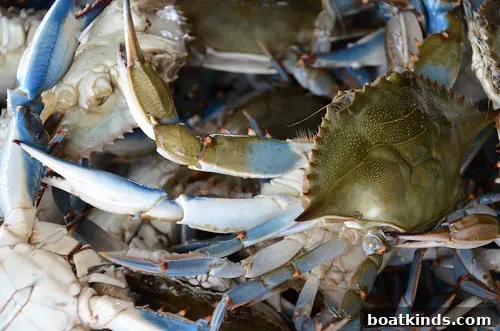
2020 Chesapeake Bay Blue Crab Survey Shows Healthy Spawning Stock
The 2020 Blue Crab Winter Dredge Survey, a joint effort by the Maryland Department of Natural Resources (DNR) and the Virginia Institute of Marine Science (VIMS), indicates the Chesapeake Bay blue crab population remains in a healthy and sustainable condition. The survey’s key finding is that the number of spawning-age female crabs is above the long-term average, a crucial metric for the future productivity of the stock. This annual winter dredge survey provides managers and the public with a consistent, science-based estimate of crab abundance across the Bay.
Survey highlights and numbers
According to the survey, an estimated 141 million adult female blue crabs were present in the Chesapeake Bay during the 2020 winter sampling period. That figure exceeds the long-term average of 126 million spawning-age females. Male adult abundance was also slightly above average, with an estimated 79 million males compared to the long-term average of 77 million.
The combined total abundance reported by the 2020 survey was approximately 405 million blue crabs. That total is described as near the 30-year average for the survey series, reflecting a broadly stable population relative to historical monitoring.
Juvenile abundance and environmental influence
While the number of mature female and male crabs is encouraging, the survey recorded a decline in juvenile abundance for 2020. Juveniles were estimated at 185 million, down from 323 million in the previous year. Juvenile numbers are naturally more variable from year to year because they are strongly influenced by environmental conditions such as currents, temperature, salinity, and wind-driven transport during larval and early juvenile stages.
Interannual fluctuation in young crabs is expected and does not necessarily indicate immediate alarm when adult spawning stock remains healthy. The 2020 juvenile count, though below the long-term average, still represents an improvement over the very low 2018 estimate and is far above the low point recorded in 1992. That longer-term perspective suggests the population continues to support sustainable recruitment and fishery opportunities when managed responsibly.
Why spawning-age females matter
Spawning-age female blue crabs are a critical indicator for the resilience and reproductive capacity of the stock. A larger spawning female population increases the potential for successful annual recruitment, meaning more juveniles enter the population and eventually contribute to the fishery. Management strategies and regulations often focus on protecting spawning females to help ensure long-term sustainability of the blue crab resource in the Chesapeake Bay.
Next steps and full analysis
The Chesapeake Bay Stock Assessment Committee will publish a full analysis of the 2020 dredge survey results in the forthcoming 2020 Blue Crab Advisory Report, scheduled for release this summer. That comprehensive report will provide detailed methods, regional breakdowns, trends over time, and management recommendations based on the survey data and related assessments.
Overall, the 2020 winter dredge survey offers a cautiously optimistic picture: adult spawning stock is in good condition while juvenile abundance shows expected variability tied to environmental factors. Continued monitoring and adaptive management remain essential to sustain the Bay’s blue crab population, support commercial and recreational fisheries, and preserve an important ecological and economic resource for the region.