
In the spring of 1893 a modest young clerk in the British House of Commons made a decision that would change his life: he would learn to sail. His name was Erskine Childers. Slight of build, partially disabled by a hiking injury that left him limping, and beset by poor eyesight, Childers nevertheless developed into an obsessive and skilled yachtsman. Two of his sailing exploits—first the voyages that inspired his novel The Riddle of the Sands, and later the gun-running mission to Ireland aboard the ketch Asgard—would secure his place in maritime and political history.
Childers began without experience. He and his similarly inexperienced brother Henry bought a large racing yacht, Shulah, and hired two professional hands to instruct them. Humiliated by the crew, the brothers soon dismissed their tutors and completed a summer cruise of Ireland and Scotland on their own. Erskine later recalled the thrill of that first morning alone at sea: “we set the sails, weighed the anchor, and glided down the loch…masters of our fate.”
Realizing Shulah was ill-suited for cruising, Childers traded it for a much smaller boat, the 18-foot half-decked Marguerite—nicknamed Mad Agnes. With a centerboard and virtually no cabin, Mad Agnes was hardly comfortable, yet Childers relished solitude and anchored frequently in open roadsteads to avoid the dirt and bustle of crowded quays. His adventurous seamanship earned him the Royal Cruising Club’s Admiral de Horsey Silver Cup for the best cruise of 1895.
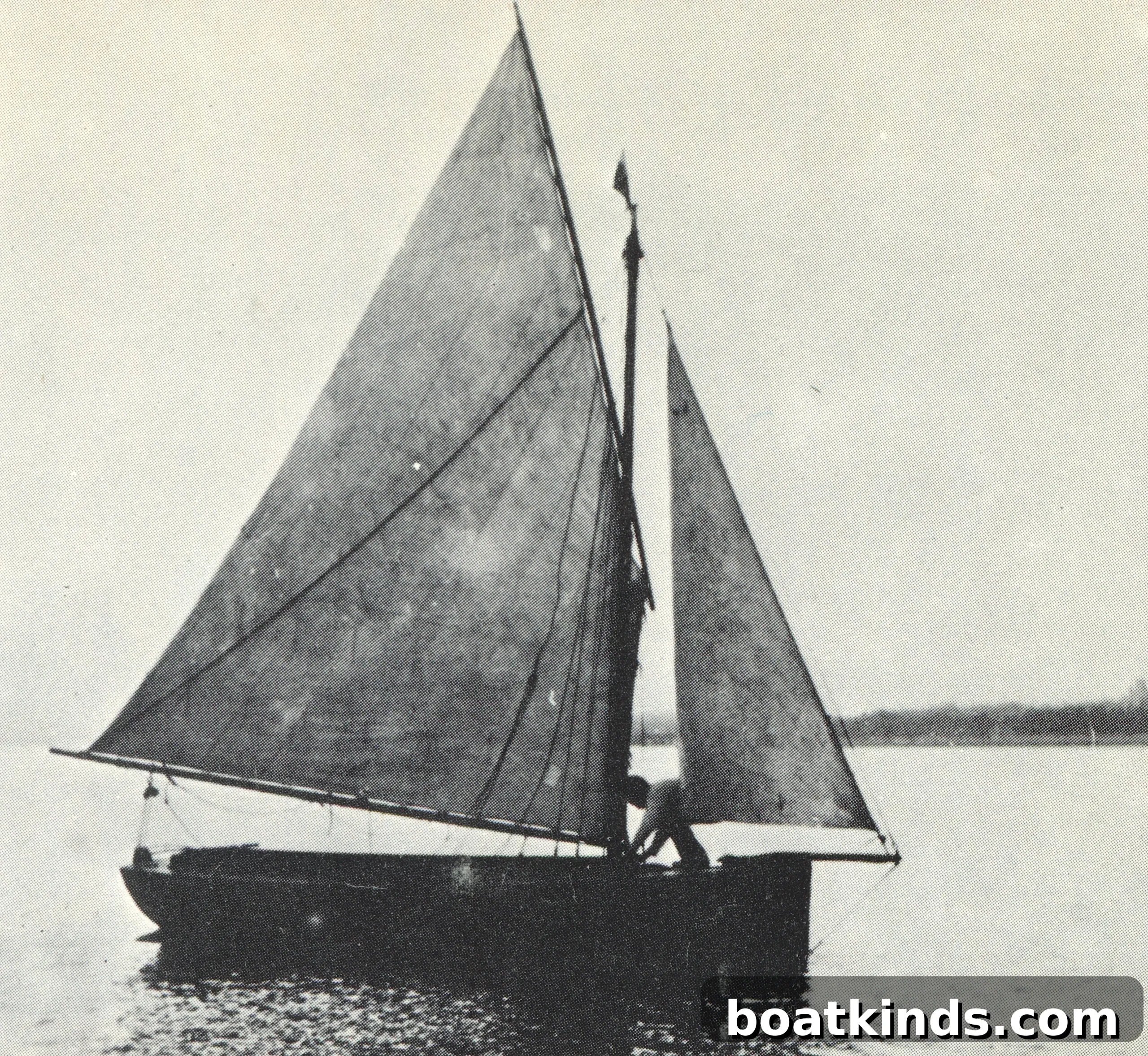
In August 1897 Childers moved to a more sensible boat, the 30-foot cutter Vixen, which had a proper cabin and berths. Though not elegant—”no one could call her beautiful,” he admitted—she proved capable and became the platform for the cruise that later inspired his breakthrough book.
The Riddle of the Sands
Shortly after buying Vixen, Childers sailed across the Dover Strait to Boulogne and awaited his brother and a friend. Winds from the southwest repeatedly frustrated plans to head toward the Mediterranean, and by August they had instead sailed north along the coast, cruised through Dutch canals and reached the Wadden Sea, the shallow, shifting tidal flats behind the Frisian Islands between Holland and Germany.
The Wadden Sea is a treacherous and unconventional cruising ground: at low tide it is a vast mudflat, while at high tide navigation requires threading narrow, poorly charted channels marked only by thin sticks driven into the sand. Childers loved the constant mental challenge. He described navigation there as a series of “emergencies”—running aground and waiting for the tide to free the boat became routine, and nonstop gales as autumn advanced made the work harder and more dangerous.
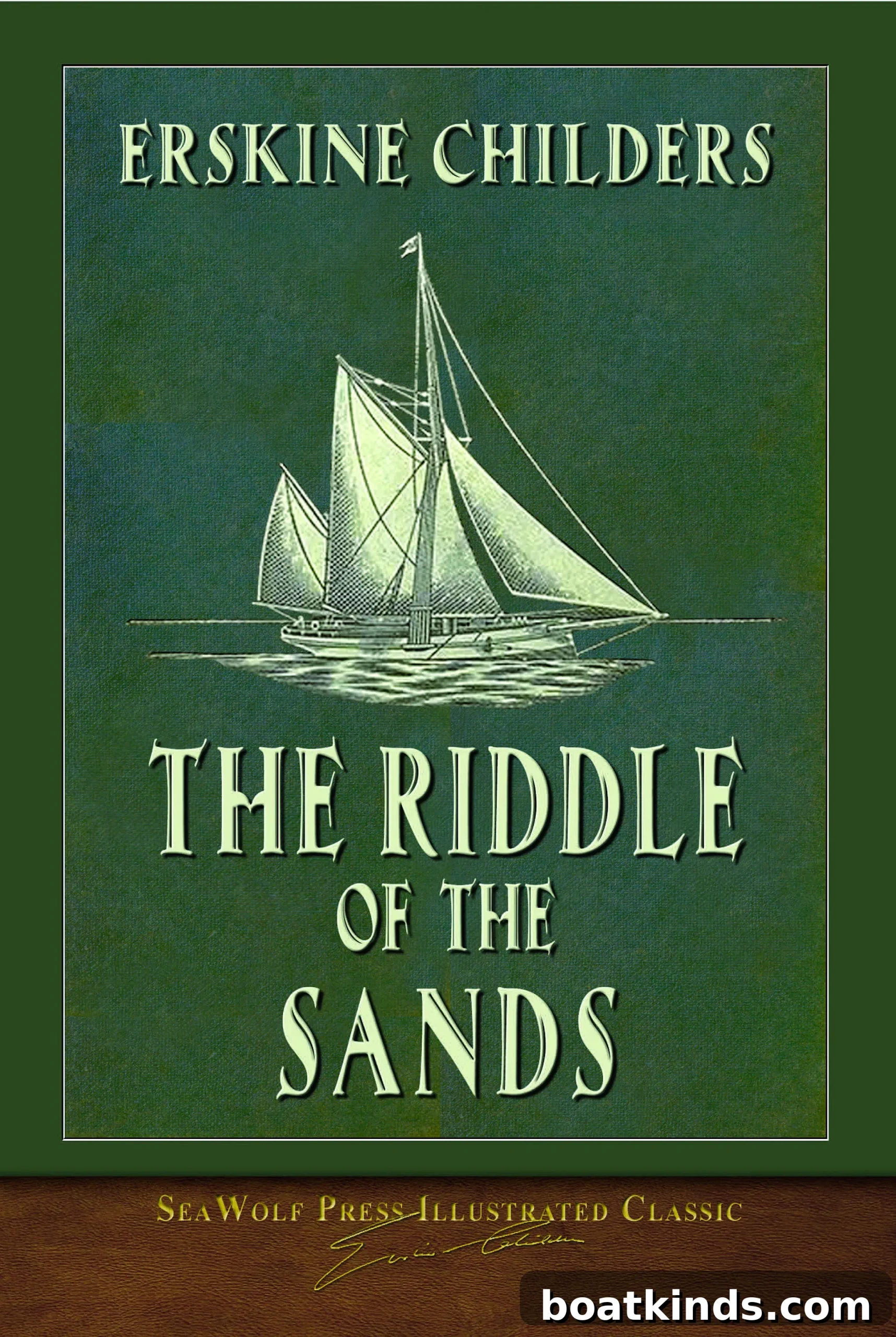
Months spent in that harsh environment—the Frisian Islands, the Wadden flats, and later the Baltic after transiting the Kiel Canal—fed Childers’ imagination and inspired his 1903 novel The Riddle of the Sands. The book blends evocative descriptions of seamanship and navigation with a spy-thriller plot: Arthur Davies (modeled on Childers), skipper of the yacht Dulcibella, uncovers a German plan to launch a surprise invasion of Britain from the Wadden ports. Published as deliberate propaganda to warn Britain of a naval threat, the novel was an instant success. It remains influential, often cited as an early spy novel and widely read by sailors.
Gun Running Under Sail
Though born and raised in England and having served in Parliament, Childers’ loyalties shifted after his experiences in the Boer War and through ties to his Anglo-Irish maternal family. By 1908 he supported Irish self-government, a stance reinforced by his marriage to an American, Molly, whom he met shortly after the success of his book.
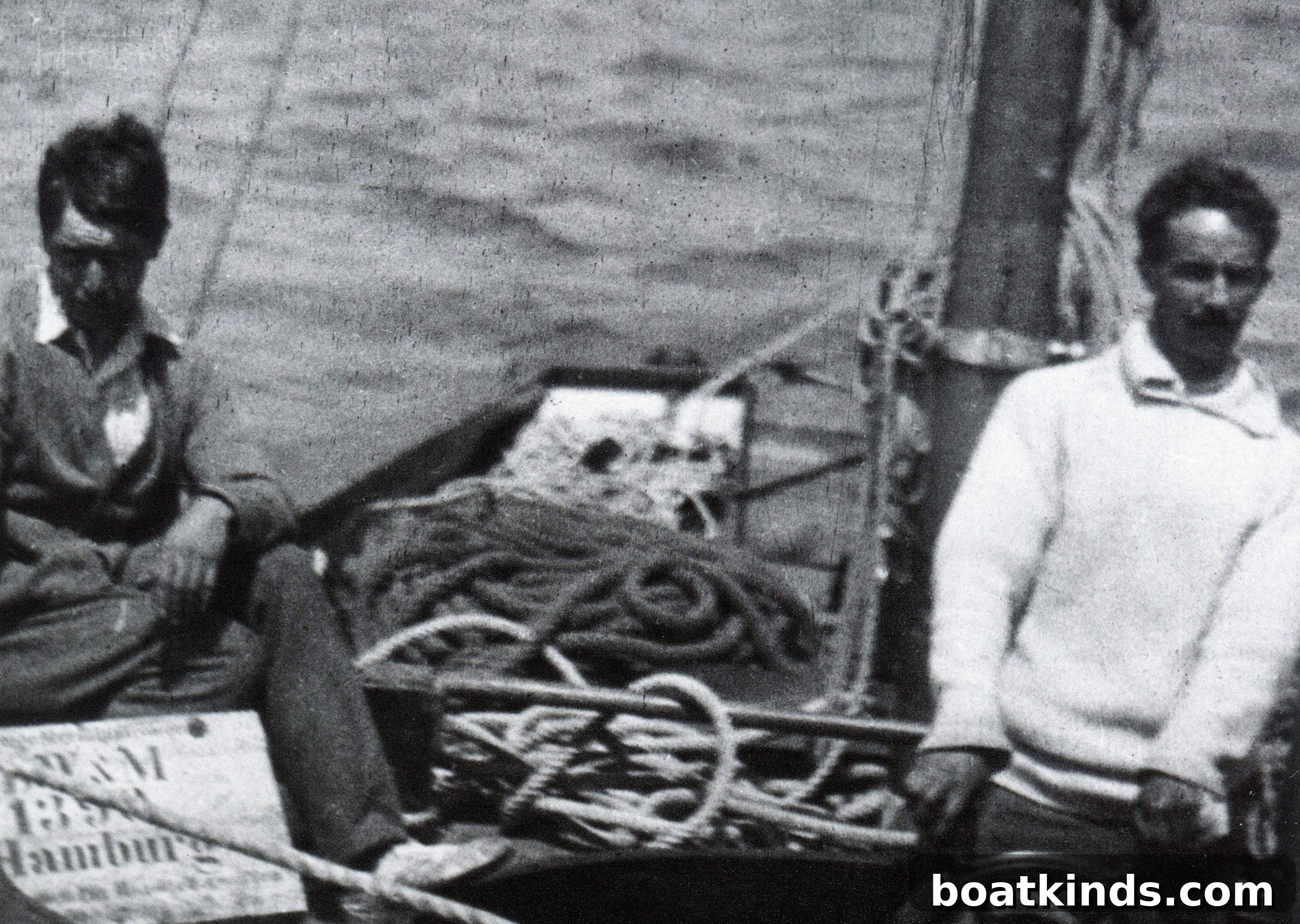
In 1914, with Ireland on the brink of Home Rule and paramilitary forces arming themselves, Childers and Molly were presented with a new tool for action: a Colin Archer–designed 44-foot gaff ketch named Asgard, a wedding gift from Molly’s father. Acting with the Irish Volunteers to match weapons smuggled by unionist Ulster forces, Childers traveled to Germany in May to purchase 1,500 Mauser rifles and volunteered to deliver a large share aboard Asgard. Conor O’Brien agreed to carry the remainder on his yacht Kelpie.
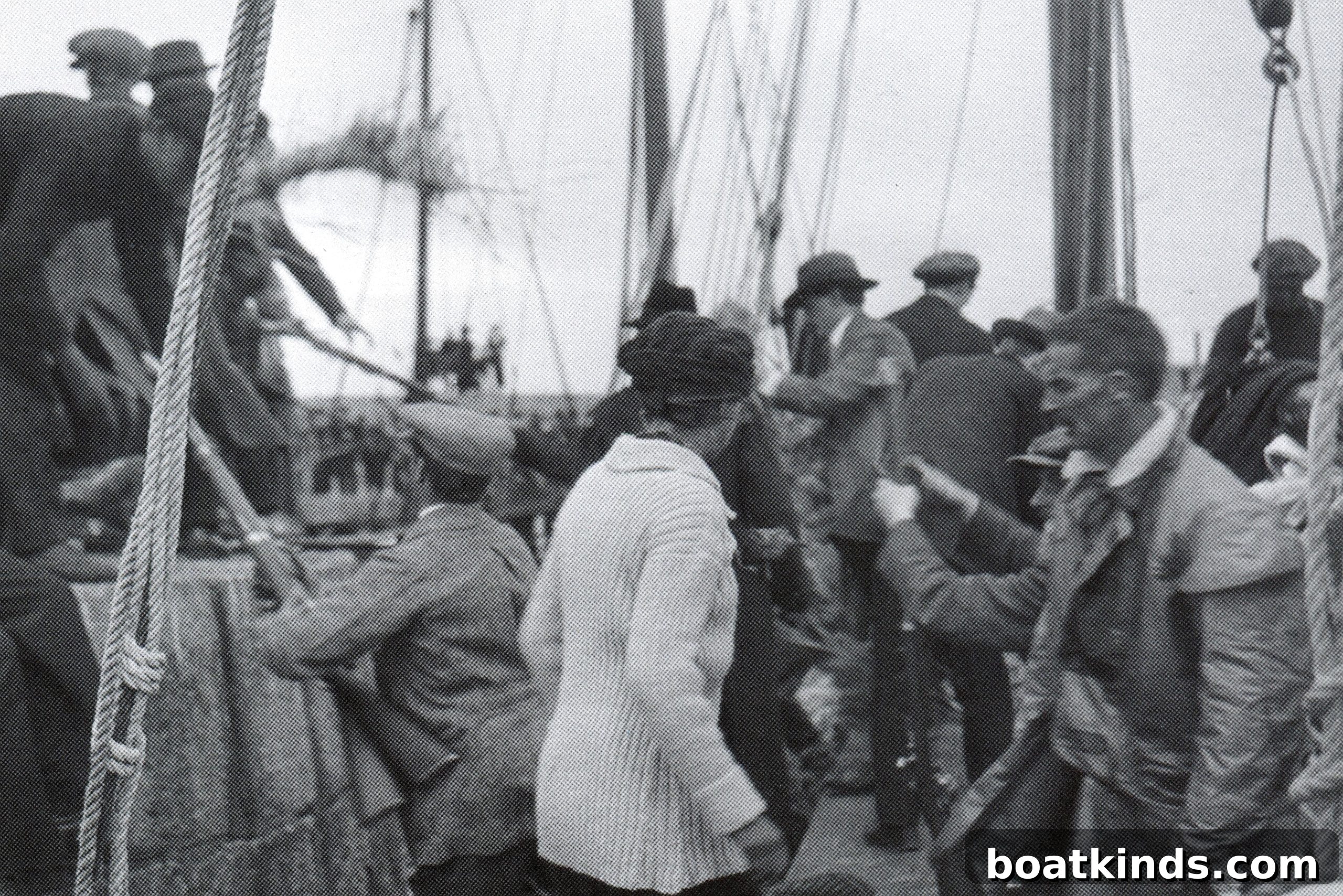
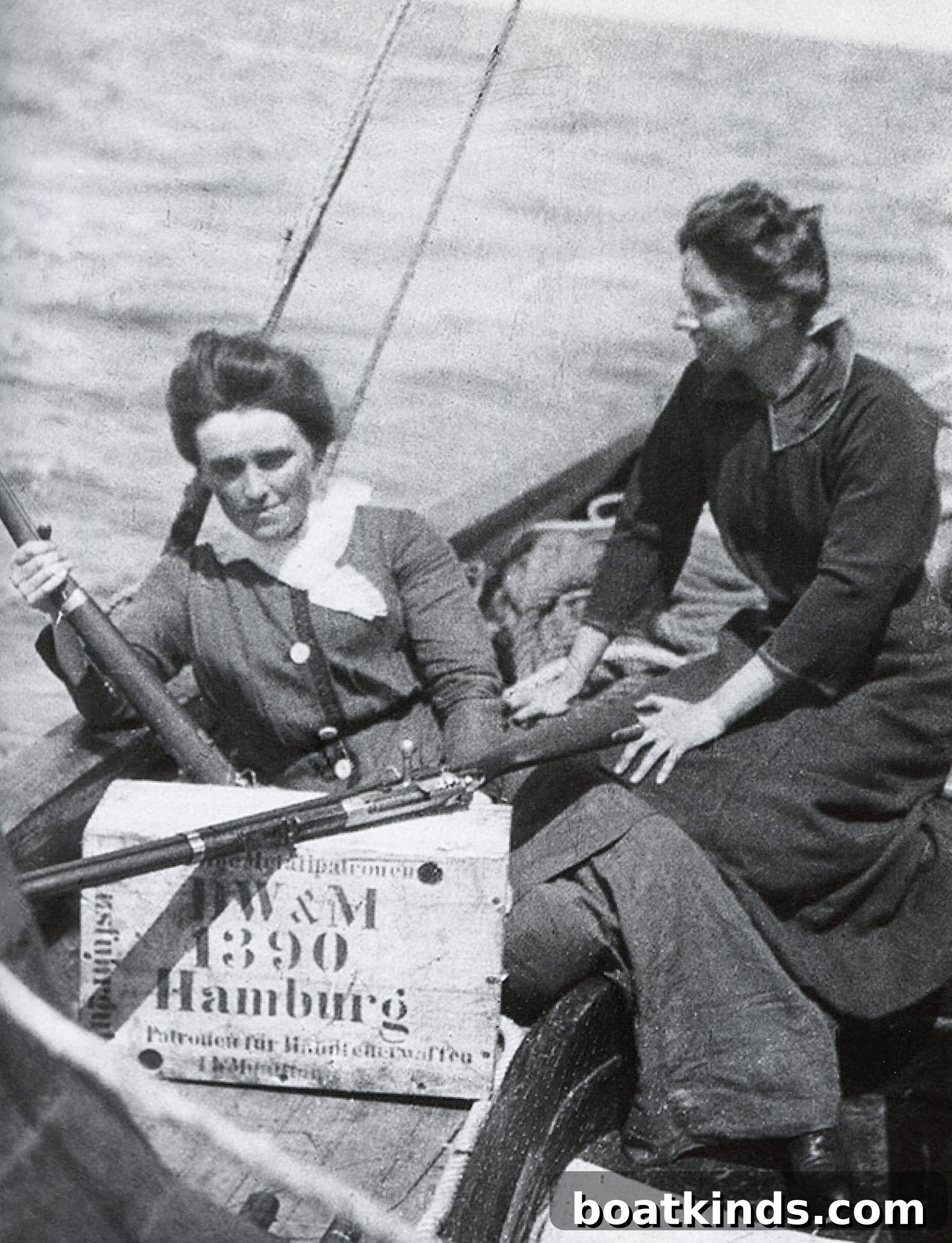
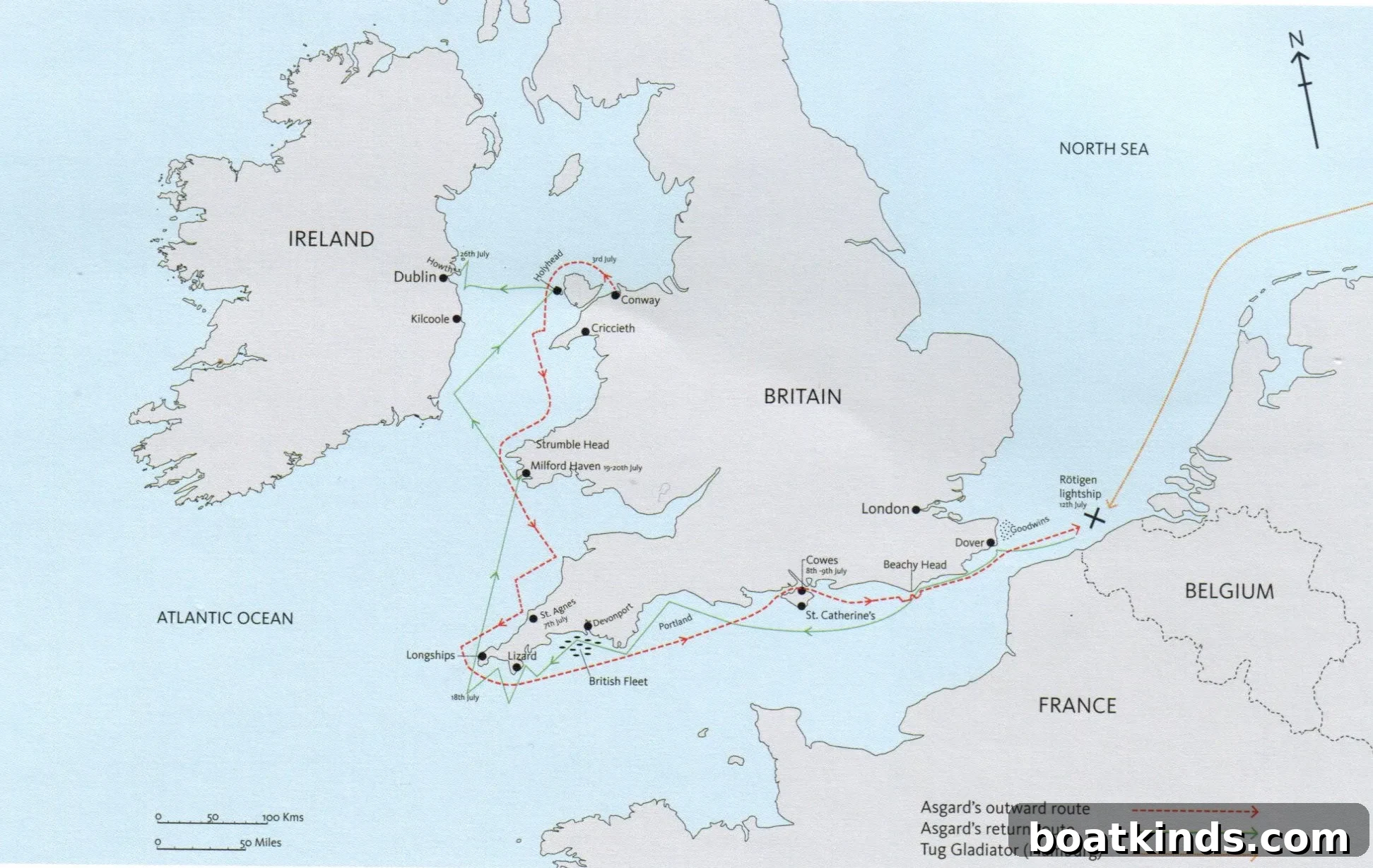
Timing was critical. Asgard lay idle in Conway and had to be hurriedly recommissioned to meet O’Brien and a German tug, Gladiator, off the Belgian coast. Weather, of course, conspired against them: light headwinds, fog, and storms delayed the voyage, left crew seasick, and made the mission perilous. After an anxious rendezvous and five-hour stowage to cram rifles and 29 boxes of ammunition below decks, Asgard rode low in the water, “down on her lines by 18 inches,” Childers estimated.
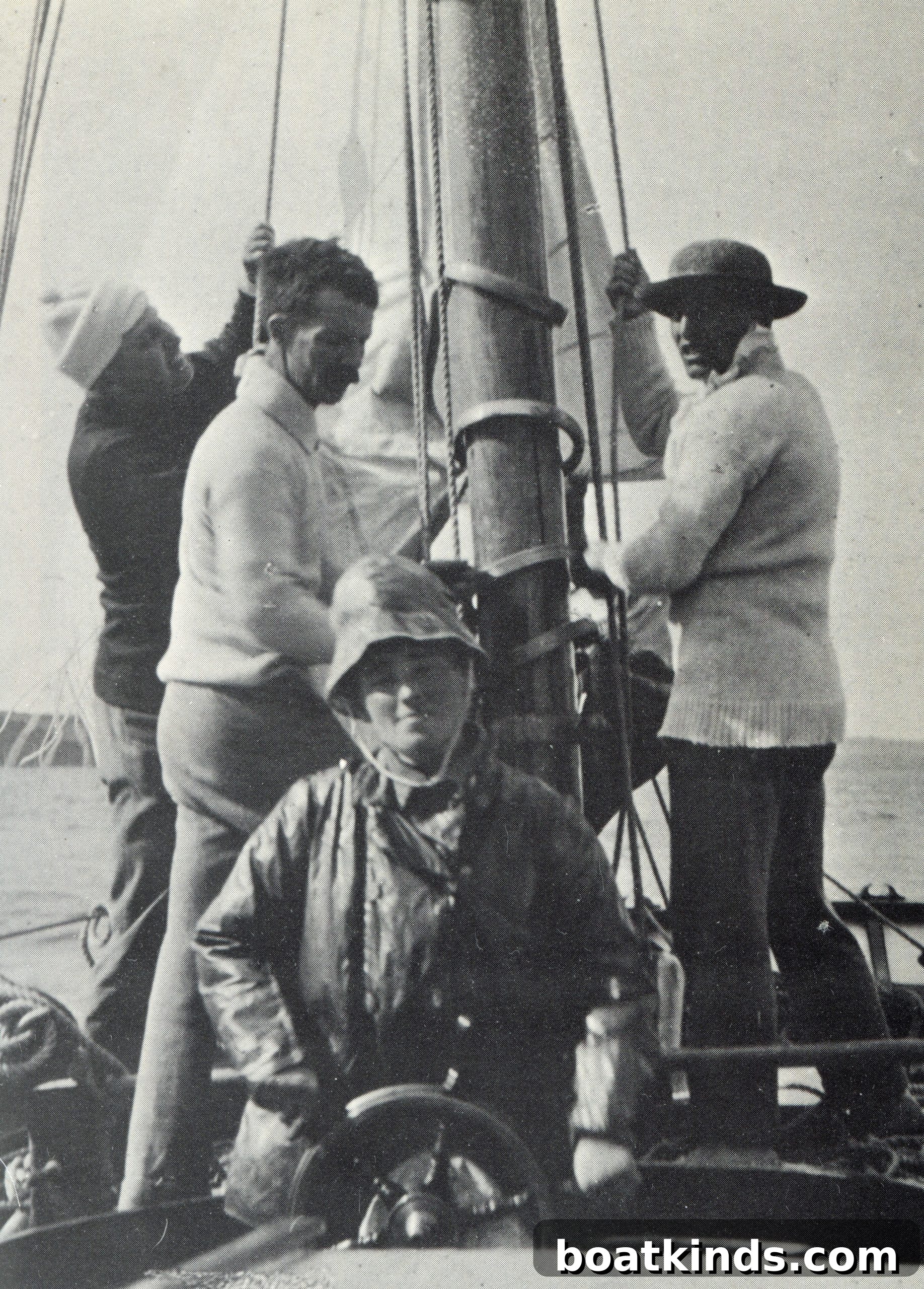
With cloudy weather and fickle winds, the crew relied on towing and careful seamanship to advance. Despite near encounters with the Royal Navy off Plymouth and a violent gale in the Irish Sea, Asgard and her crew persevered. On Sunday noon, July 26, 1914, she landed at Howth north of Dublin and, in just 45 minutes, the cargo of rifles and ammunition was ashore and distributed to the Irish Volunteers.
This marked Childers’ final major voyage under sail.
A Violent End
Only days after the Howth landing, World War I began. Childers enlisted in the British forces and served with distinction, a contradiction that reflected his hunger for action. The weapons he had smuggled were later used in the 1916 Easter Rising; the British response radicalized many Irish nationalists. After the war Childers became deeply involved in the struggle for Irish independence, serving as secretary to the Irish delegation at the 1921 negotiations in London.
When the Anglo-Irish Treaty was signed, Childers opposed it, siding with the hardline republicans who rejected partial independence. During the Irish Civil War he was captured by Free State forces, tried by military court for possession of a small pistol, and sentenced to death. Despite diplomatic appeals and public controversy, Childers was executed by firing squad on November 24, 1922. Reports say he limped forward, shook each shooter’s hand, and even urged them closer to make their task easier.
Though executed by the Irish Free State, Childers’ role in the independence movement is commemorated in Ireland. His son Erskine Hamilton Childers later became Ireland’s fourth president in 1973.
Asgard: A Place in Irish History
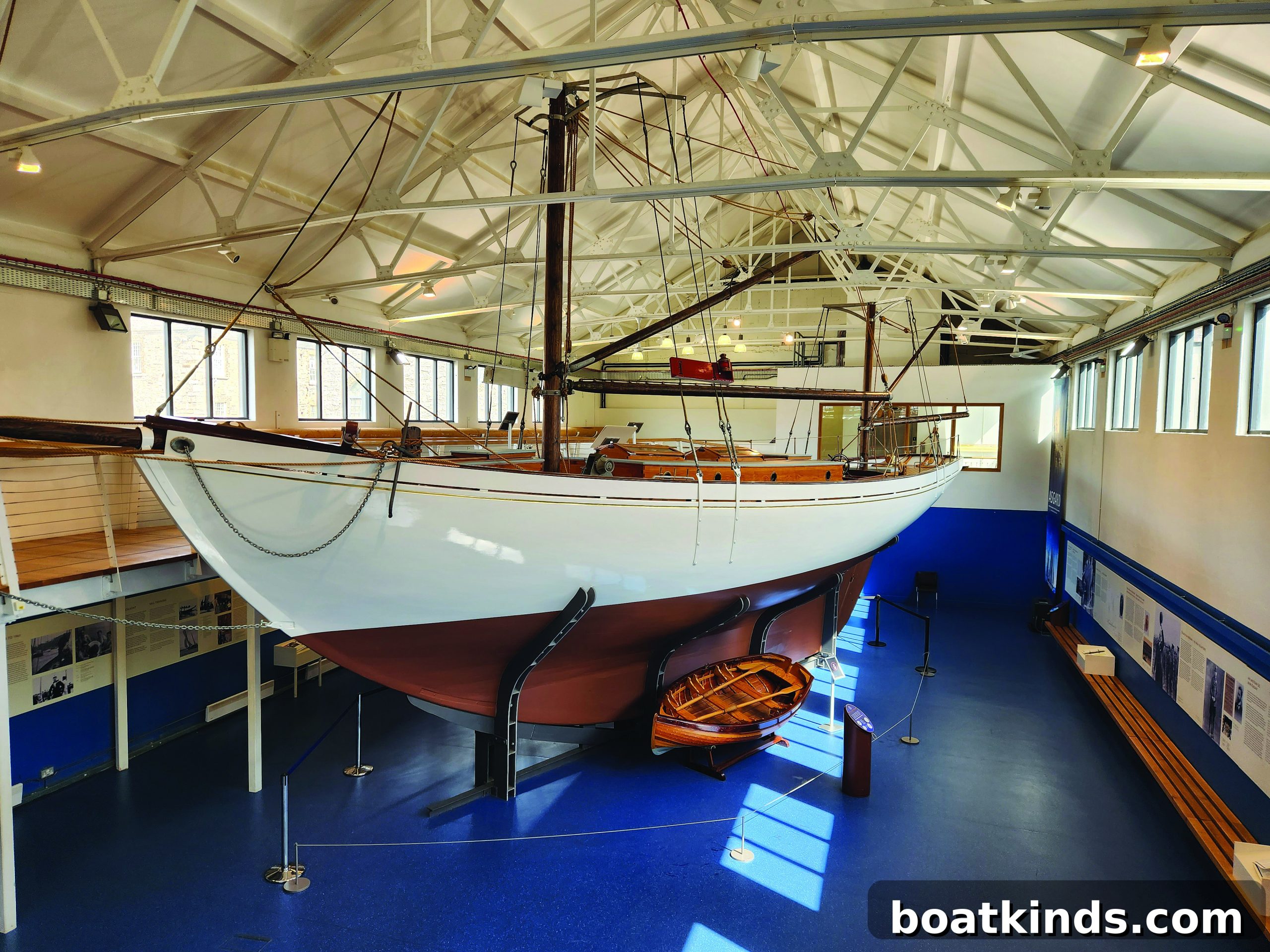
The ketch that carried rifles to Howth likewise became a national emblem. After a period in private hands and an objectionable engine retrofit, Asgard was purchased by the Irish government in 1960 and refitted as the state’s first sail-training vessel. She returned triumphantly to Howth in 1961 and was greeted by surviving Volunteers. Retired from active service in 1974, Asgard underwent major conservation from 2007 to 2012 and is now preserved and exhibited at the Irish National Museum at Collins Barracks in Dublin.
This article was originally published in the October 2024 issue.