
Replica of Historic Oyster Bay Dredge Ida May to Carry Passengers in Spring 2024
After more than a decade of work and setbacks, a faithful replica of the historic Oyster Bay shellfish dredge Ida May will begin carrying paying passengers in spring 2024, offering educational cruises about local maritime history and estuary ecology. The project required roughly 12 years to complete, about $1 million in funding, and an estimated 35,000 hours of mostly volunteer labor contributed by roughly 70 people alongside a small team of professionals.
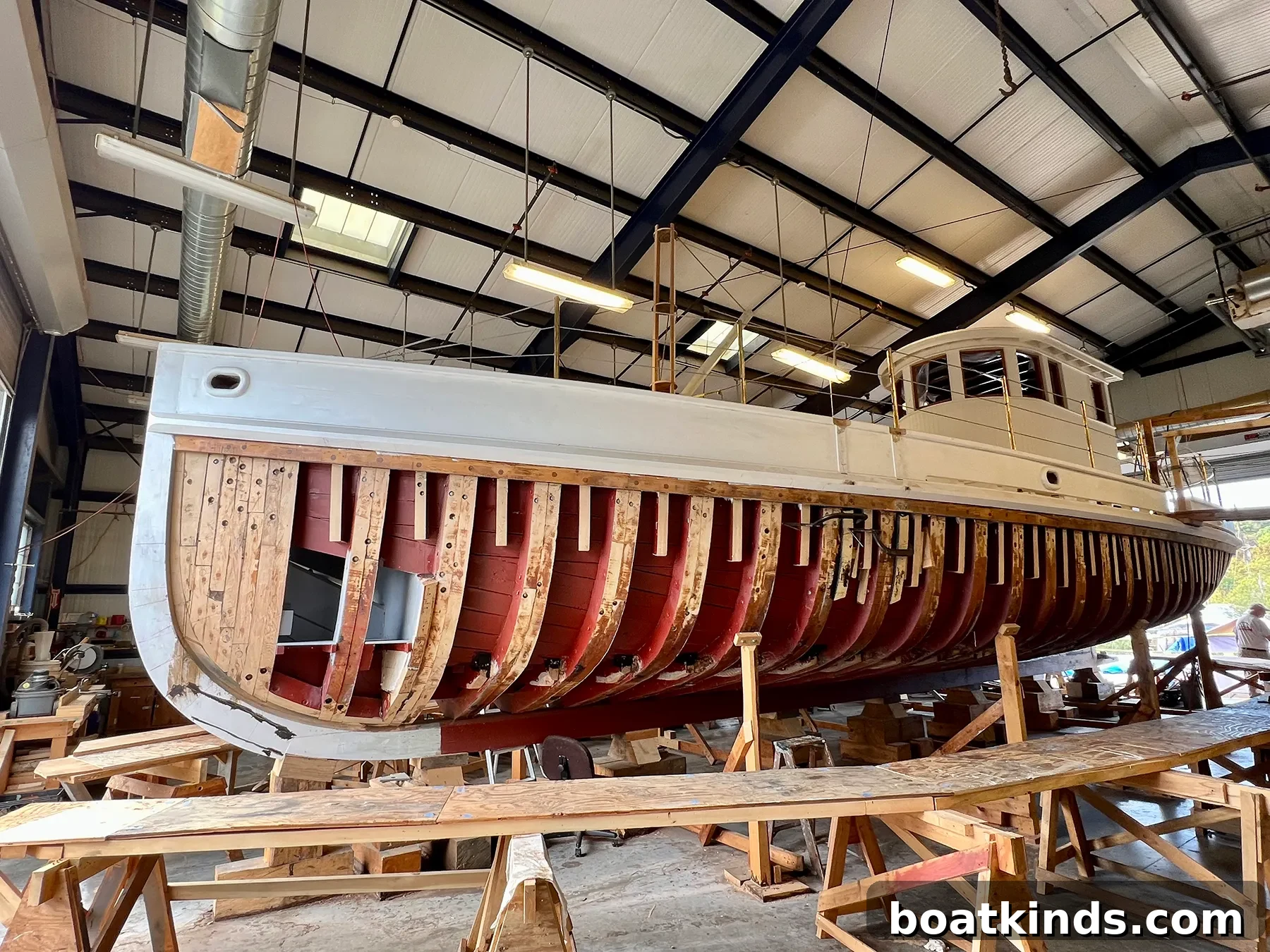
The replica was built in a shed on the southern edge of Oyster Bay by the Christeen Oyster Sloop Preservation Corp., the volunteer group that previously restored the 1883 oyster dredge Christeen. Once launched, the Ida May was transferred to the nonprofit WaterFront Center, located just west of the construction shed, where she will support marine education programs. The WaterFront Center also now operates the restored Christeen.
The original Ida May was launched in Oyster Bay in 1925 and was built on the beach at Bayville by Frank M. Flower. Local lore holds that Flower constructed the larger vessel after a terrifying episode in which his sons nearly lost their lives on a smaller boat while traveling to the Fulton Fish Market in Manhattan. To provide greater safety and capacity, Flower reportedly built the Ida May as one of the first oyster dredges designed for motor propulsion.
Built with bent oak frames and cedar planking, the original Ida May dredged oysters and clams in shallow waterways and carried them to market, typically with a crew of up to three. The design emphasized a broad beam and shallow draft to create a stable working platform in shallow creeks and harbor corners. Much of the forward hull functioned as cargo space for shellfish, with a small pilot house and basic berths adjacent to the diesel engine for short overnight trips.
The retired boat was hauled ashore in September 2003, but deterioration and modern Coast Guard passenger-safety regulations made restoring the original hull impractical. The deteriorated dredge was demolished in 2010, and volunteers refocused on constructing a replica that would meet current safety standards and be certified to carry passengers.
Work on the replica began in November 2011 as funds and volunteer time became available. The original Ida May measured 45 feet long and 15 feet, 6 inches wide; the replica was built one foot wider to accommodate modern requirements. Construction combined volunteer craftsmanship and professional oversight, with a part-time shipwright guiding the program as funding permitted.
Early construction was jump-started by a $125,000 contribution from singer-songwriter Billy Joel, a Centre Island resident who worked on a Flower & Sons dredge as a teenager. Structural work included 32 frames made from two layers of 3-inch white oak—material partly salvaged from the Christeen project and partly sourced from Virginia—and 36 planks of 1 ¾-inch white oak. The pilothouse framework is white oak with red cedar exterior sheathing, while the interior features black walnut paneling and cherry trim.
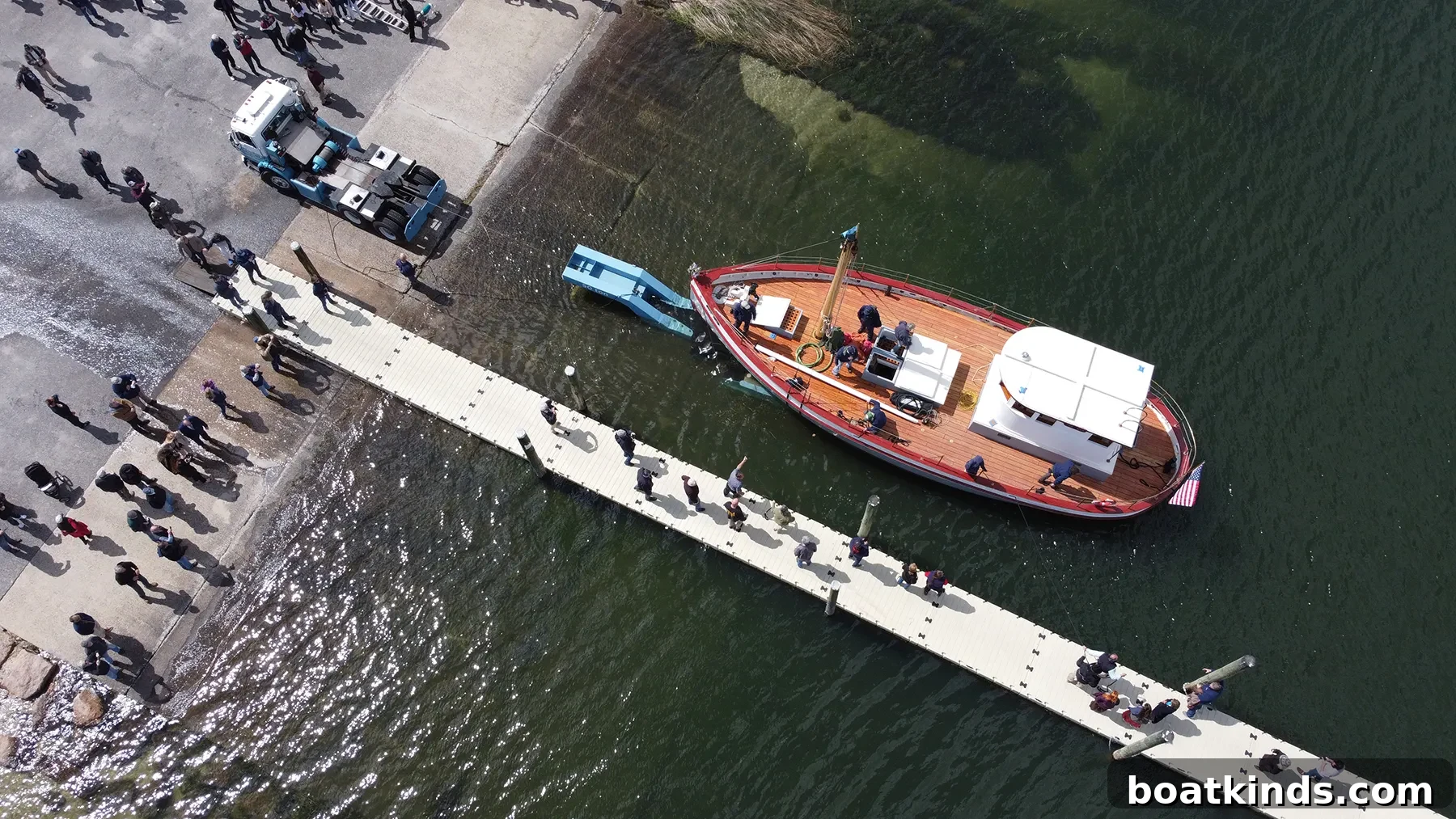
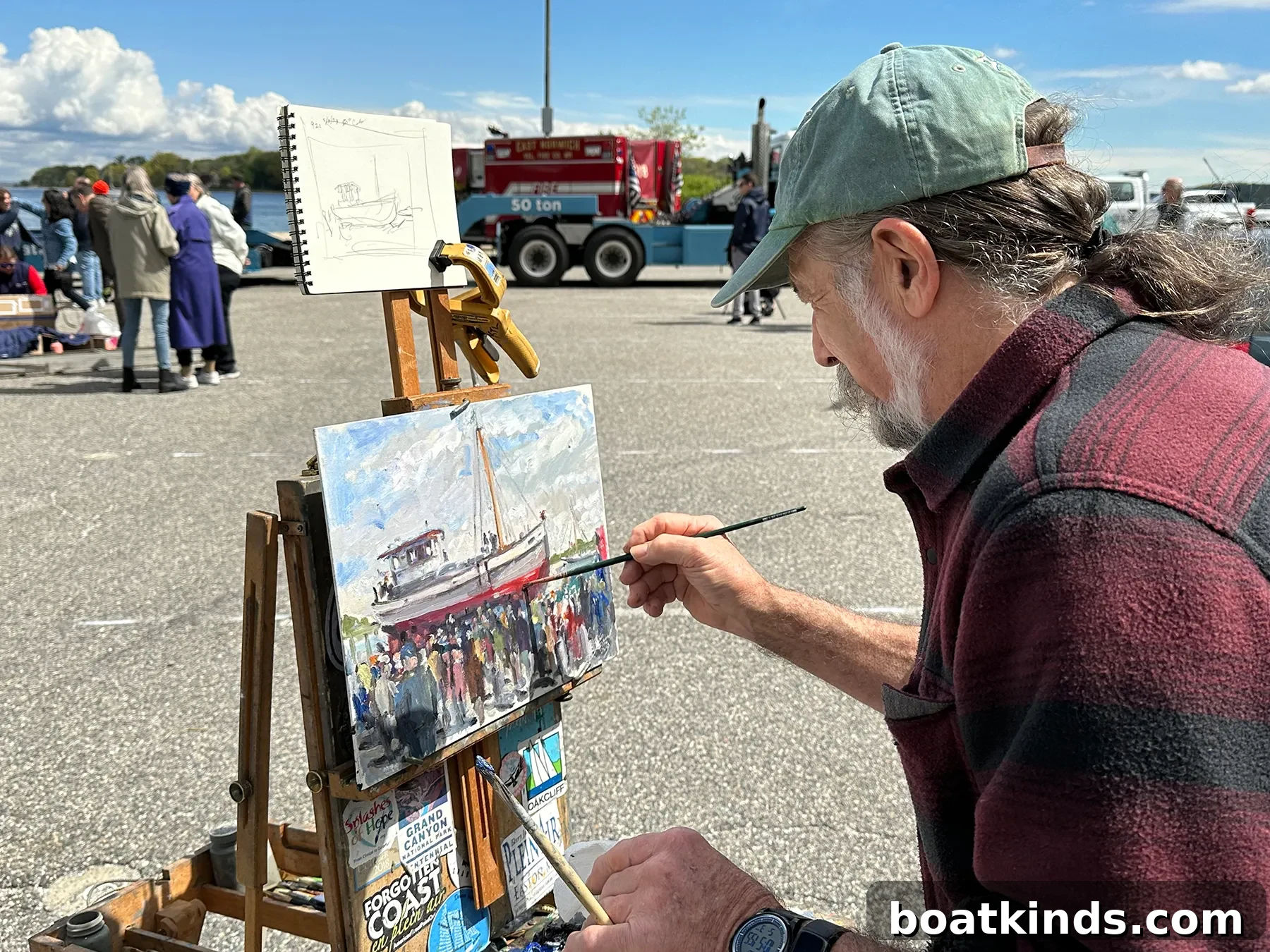
With the final hull plank installed, the replica was prepared for launch. At the official ceremony, the widow of Clint Smith, a former town harbormaster who helped organize the Christeen group, christened the vessel before she was eased into Oyster Bay. Celebratory water sprayed from a nearby fire engine inadvertently doused town officials and onlookers on the dock, adding a lighthearted note to the long-awaited milestone.
Volunteers and paid specialists continued outfitting the boat after launch. Project leaders note that a few systems remained to be completed, including final engine commissioning, wheelhouse wiring and loose mechanical details. The contracted project engineer, Nobby Peers of Whitworth Marine Services, designed the mechanical and electrical systems and continues to finish wiring and other final tasks, including the fire suppression system required for passenger certification.
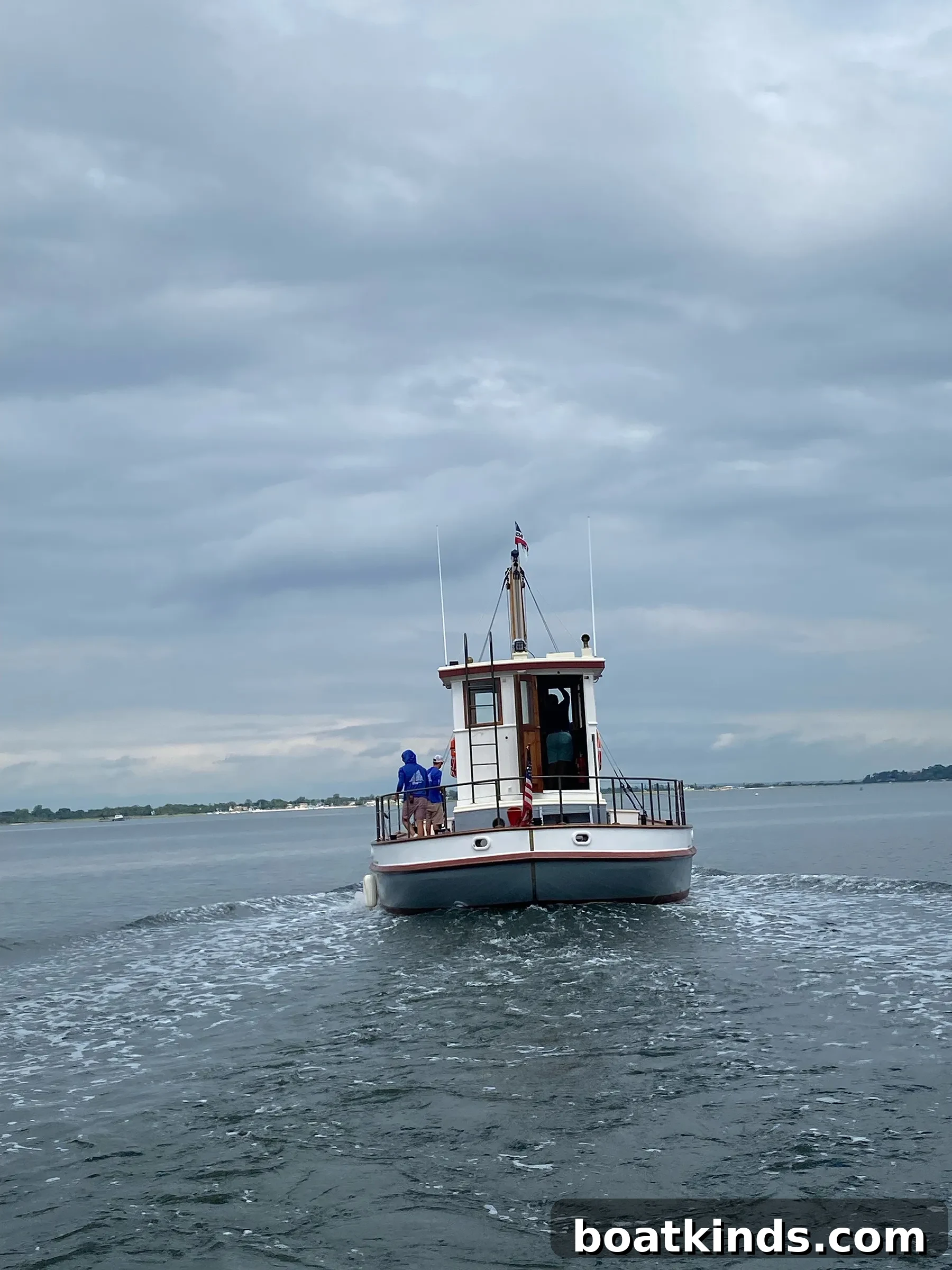
Sea trials were completed in mid-September with engine representatives aboard to evaluate performance. Test runs showed the Ida May to be highly maneuverable, with comfortable cruising at about 6.5 knots and a top speed near 9 knots. The final requirement before commercial service is a Coast Guard inspection and certification, which includes a final sea trial after the fire suppression system is installed.
Once certified, the WaterFront Center plans to introduce the vessel to the community through public sailings, educational programming and partnerships with local universities and oyster-farming groups. The Ida May is expected to support the region’s growing interest in oyster aquaculture and estuary restoration by serving both as a hands-on classroom and a working reminder of the area’s commercial shellfishing heritage.
Longtime volunteers describe the project as a sustained community effort that relied on consistent involvement even when resources were limited. Jack Hoyt, vice president of the Christeen group, emphasized that keeping volunteers working—even one day a week—was essential to maintaining momentum through funding interruptions and the Covid pandemic. Shipwrights and volunteers who worked from keel-up praised the collaboration and shared satisfaction at seeing the vessel afloat and watertight.
According to project leaders, the replica Ida May is now the only wooden oyster boat operating in Oyster Bay and will preserve, both visually and functionally, the legacy of the region’s commercial shellfishing industry for future generations.
This article was originally published in the December 2023 issue.