
Captain and Fishing Charter Rescue Seaplane Passengers in Mississippi Sound
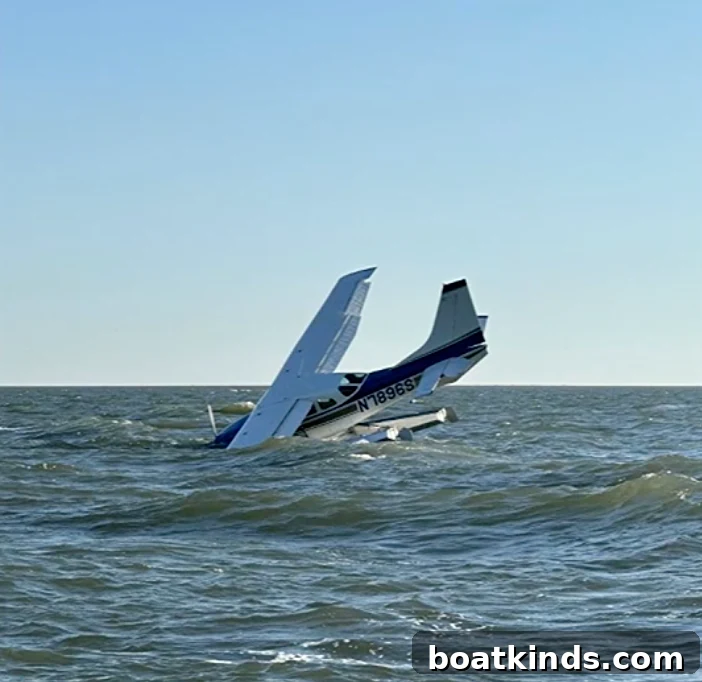
Captain Kyle Johnson and his fishing charter were en route to the remote Chandeleur Islands, off Gulfport, Mississippi, when they witnessed a seaplane struggling to land in the rough waters of the Mississippi Sound. Recognizing the danger, Johnson and his clients quickly altered course to offer aid. Their prompt action turned what could have been a tragic accident into a successful rescue at sea.
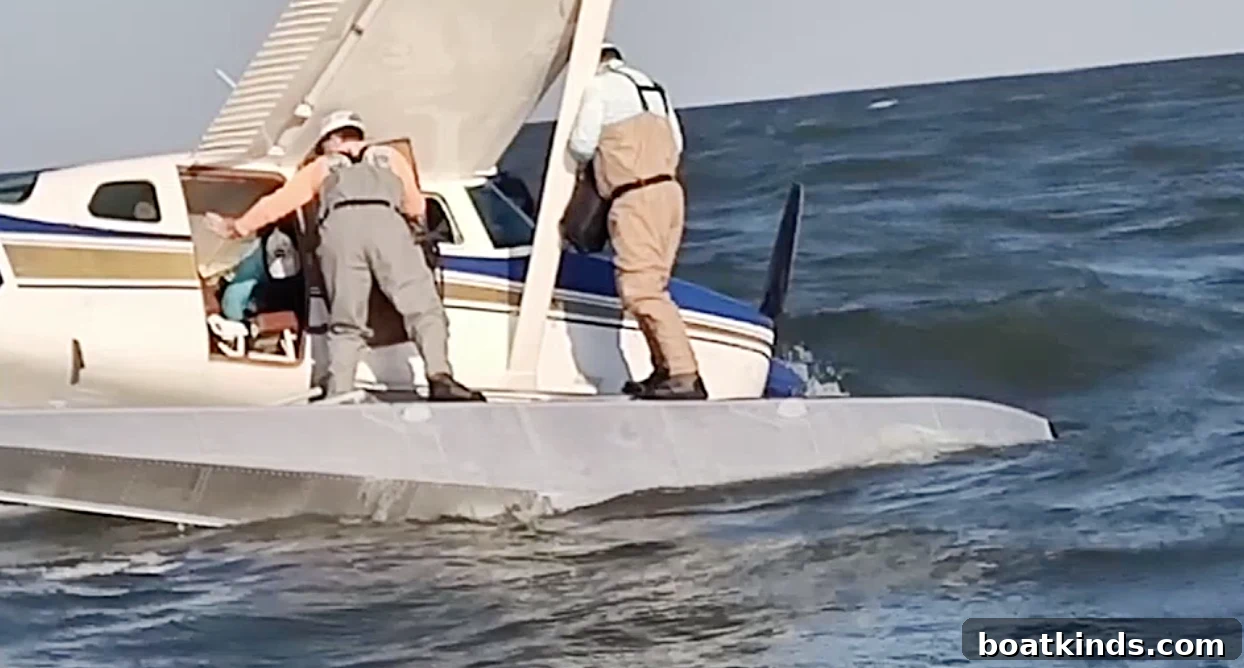
The charter boat, a Blue Wave center console, approached the disabled seaplane to assess the situation and determine how best to help. Under Captain Johnson’s direction, he and the anglers on board helped transfer the plane’s occupants from the aircraft onto the fishing vessel and then transported them back to shore. The entire effort prioritized safety and speed, given the challenging sea state and the isolation of the location.
“It was rough seas, so the boat was rocking very bad and so was the plane,” Johnson told WLOX News. He emphasized how remote the Chandeleur Islands are — at least 25 miles offshore and out of range for routine cell service — and noted that official rescue resources such as the Coast Guard could have taken significant time to arrive. According to Johnson, the Coast Guard could have taken up to an hour to reach the plane, a delay that could have made the condition of those aboard much worse.
Real-World Lessons in Boating and Seaplane Safety
The experience prompted Captain Johnson to reexamine the safety supplies he keeps aboard his charter vessel. He realized that in a situation involving both his passengers and unexpected survivors, his available life jackets and emergency gear might not have been sufficient. “If something would’ve happened with them and us, I would only have enough life jackets on my boat for me and my people,” he said. “So bring more emergency equipment than you need and always have a plan if something goes wrong because you never know what’s going to happen out there.”
For anglers, charter operators, and recreational boaters who frequent offshore locations such as the Mississippi Sound and the Chandeleur Islands, the rescue highlights several practical safety precautions:
- Carry extra life jackets and flotation devices to accommodate unexpected survivors.
- Stock additional emergency equipment: handheld VHF radios, waterproof flashlights, signal flares, and personal locator beacons or EPIRBs when possible.
- Ensure at least one reliable means of long-range communication. In remote offshore areas, cell phones often lose signal; satellite communicators or VHF with DSC provide better options for summoning help.
- Create and share a float plan with someone on shore that includes your intended route, expected return time, and contact information for the vessel operator.
- Practice basic rescue and first-aid procedures, including how to safely recover people from the water or an unstable aircraft hull.
- Maintain situational awareness and be prepared to assist responsibly—prioritizing safety for both your passengers and the people you’re helping.
Why Timely Assistance Matters in Remote Waters
Remote offshore locations can complicate rescue efforts. Distance from shore and limited cell coverage mean official responders may take longer to arrive. In those critical early minutes, nearby recreational boats and charters can make the difference between life and death by providing immediate support. Johnson’s decision to act quickly and methodically ensured everyone involved was brought to safety with minimal further risk.
While professional search-and-rescue organizations remain the primary emergency responders, this incident underscores the role that prepared and experienced boaters play in maritime safety. Preparedness, communication, and common-sense emergency planning should be standard practices for anyone venturing far from shore.
Captain Johnson’s experience serves as a reminder to all who go offshore: expect the unexpected, carry more safety gear than you think you’ll need, and have a clear emergency plan. Those simple steps increase the odds of a safe outcome when incident response times are extended by distance and conditions.