
BoatUS Foundation Secures $10M NOAA Grant to Remove Derelict Vessels and Improve Boater Access
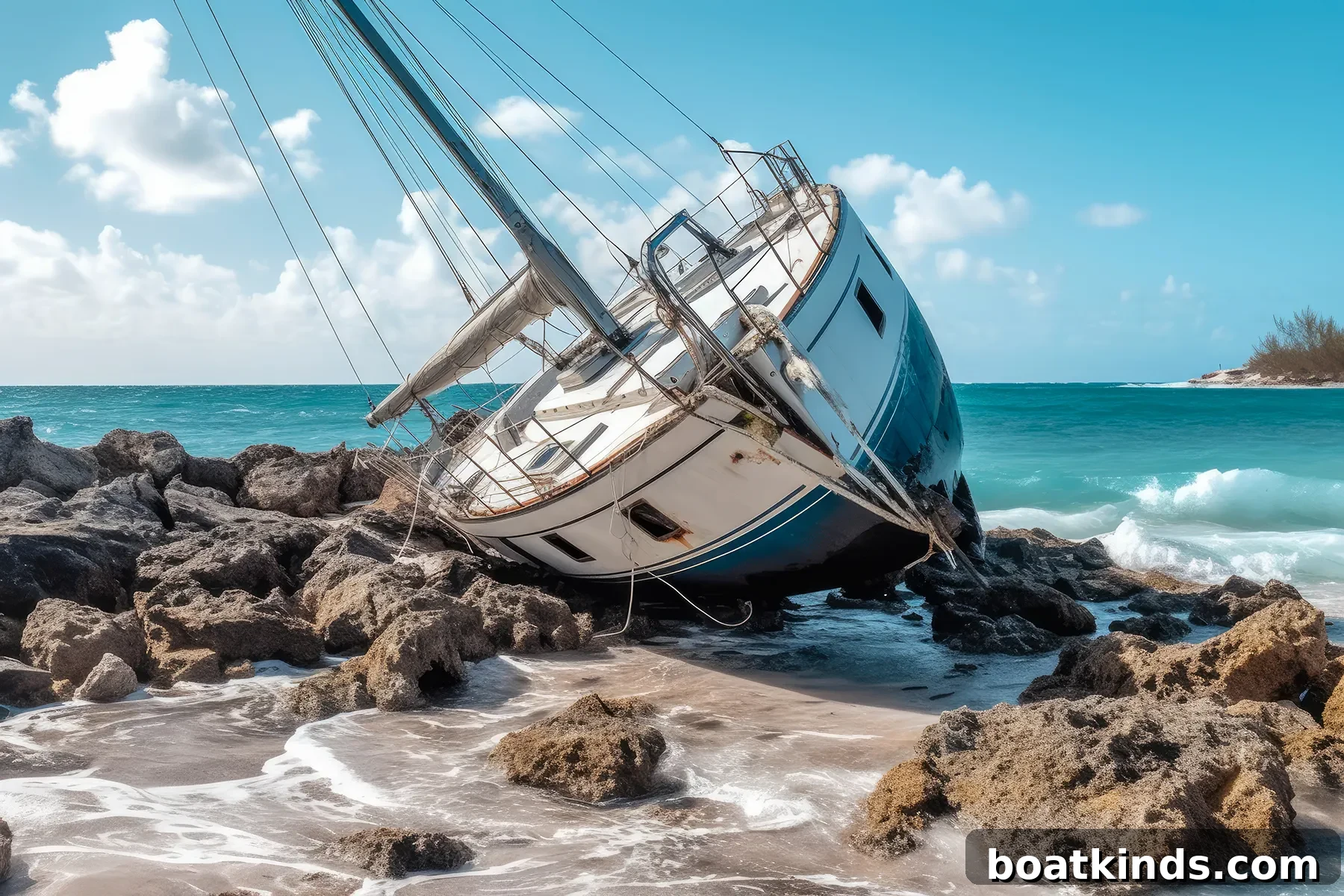
Tired of seeing derelict boats blocking your favorite anchorage or cruising lanes? Heather Lougheed brings encouraging news: she’s leading a major effort to find and remove those abandoned vessels that clutter coastal waters and the Great Lakes.
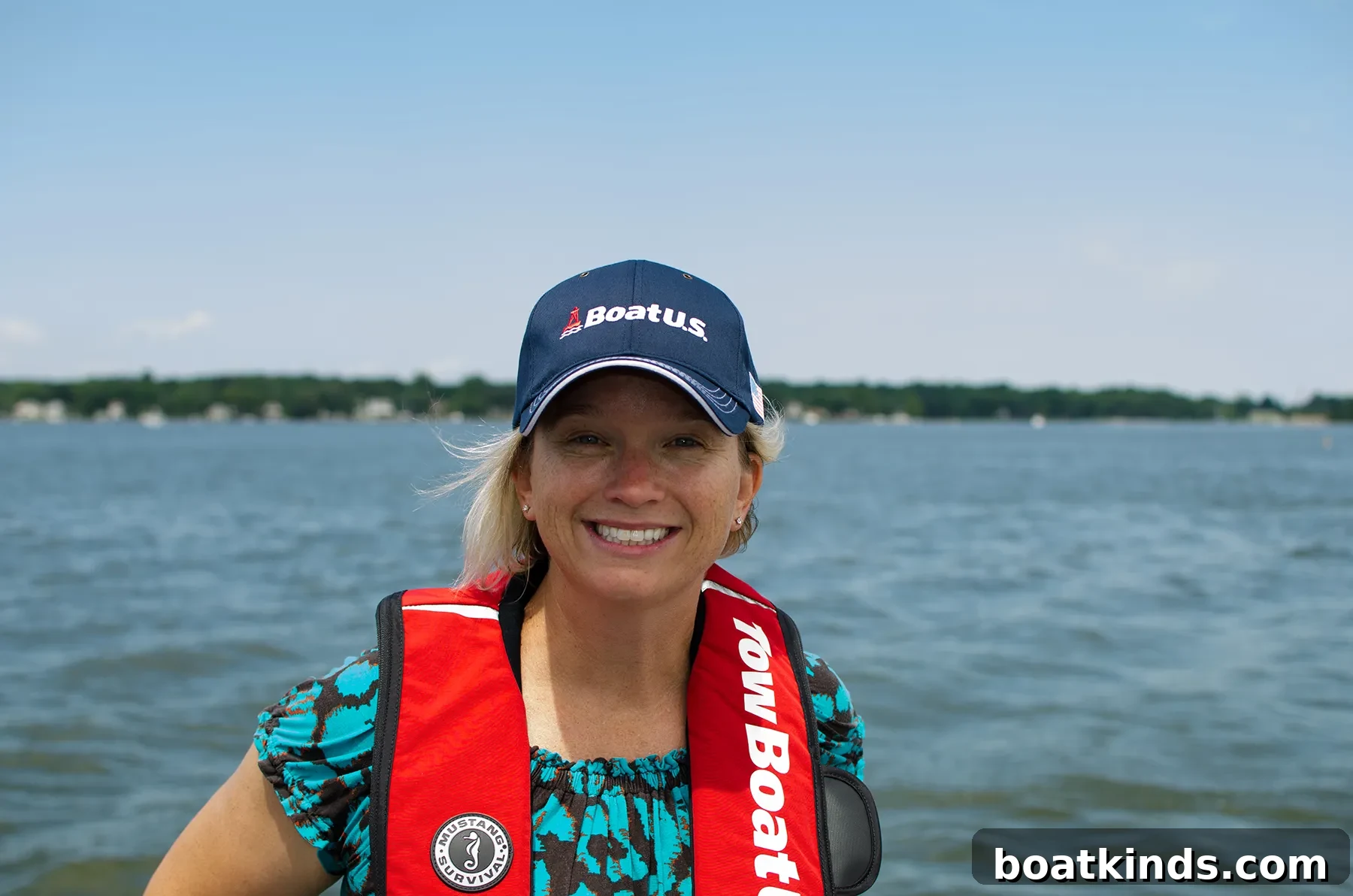
Lougheed, who began her career with BoatUS 24 years ago in membership and marketing and has served as vice president of the 800,000-member BoatUS organization for the past 14 years, recently added a new title—president of the nonprofit BoatUS Foundation for Boating Safety and Clean Water. Her top priority is deploying a four-year, $10 million grant awarded by the National Oceanic and Atmospheric Administration (NOAA) to tackle derelict vessel cleanup.
NOAA’s funding, announced as part of its Marine Debris Removal Program, supports removal of abandoned boats as well as derelict fishing gear, plastics and other debris that pose navigational hazards and environmental risks. The BoatUS Foundation plans to use the grant in a phased approach: first to build a comprehensive database documenting locations of derelict vessels in coastal waterways and the Great Lakes, and then to offer smaller, targeted grants to fund removals and restorations.
“We’re focused on locating these boats, removing them, and conducting outreach to raise awareness,” Lougheed said. “Derelict vessels are more than eyesores — they block access, create hazards for boaters, and reduce opportunities for recreation and commerce.”
Because no one knows exactly how many abandoned vessels exist, the Foundation will begin by partnering with state agencies and local communities to catalog sightings and verify problem areas. That local input will feed a national database the Foundation will maintain in coordination with NOAA, with the goal of having the system operational by the middle or end of this year. Once the database is established, community groups, states and other stakeholders will be eligible to apply for grants to remove identified vessels.
Lougheed says the NOAA grant was a decisive factor in accepting the Foundation role while continuing her responsibilities as BoatUS vice president. “I wanted to help move this project from concept to action,” she said. “It’s exciting to start at the beginning of a program like this and see real improvements for boaters and waterways.”
BoatUS and the BoatUS Foundation are distinct organizations, though they share a name and many supporters. BoatUS is a membership association that provides services and savings to boat owners—everything from equipment discounts and marina deals to TowBoatUS assistance—while the BoatUS Foundation operates as a nonprofit focused on boater education, safety and clean-water initiatives.
An ongoing regulatory concern the Foundation inherited centers on NOAA’s 2022 proposal to impose widespread 10-knot speed restrictions along parts of the Eastern Seaboard to reduce collisions with endangered North Atlantic right whales. Lougheed says the issue remains on the Foundation’s radar, but enforcement of that proposal appears to be paused after extensive industry pushback and advocacy, including testimony and legislative efforts in Congress.
“The issue is still active, but it’s taking a pause,” Lougheed told Soundings. “There’s broader recognition now that NOAA didn’t fully understand the scope of impacts on boaters and coastal businesses.”
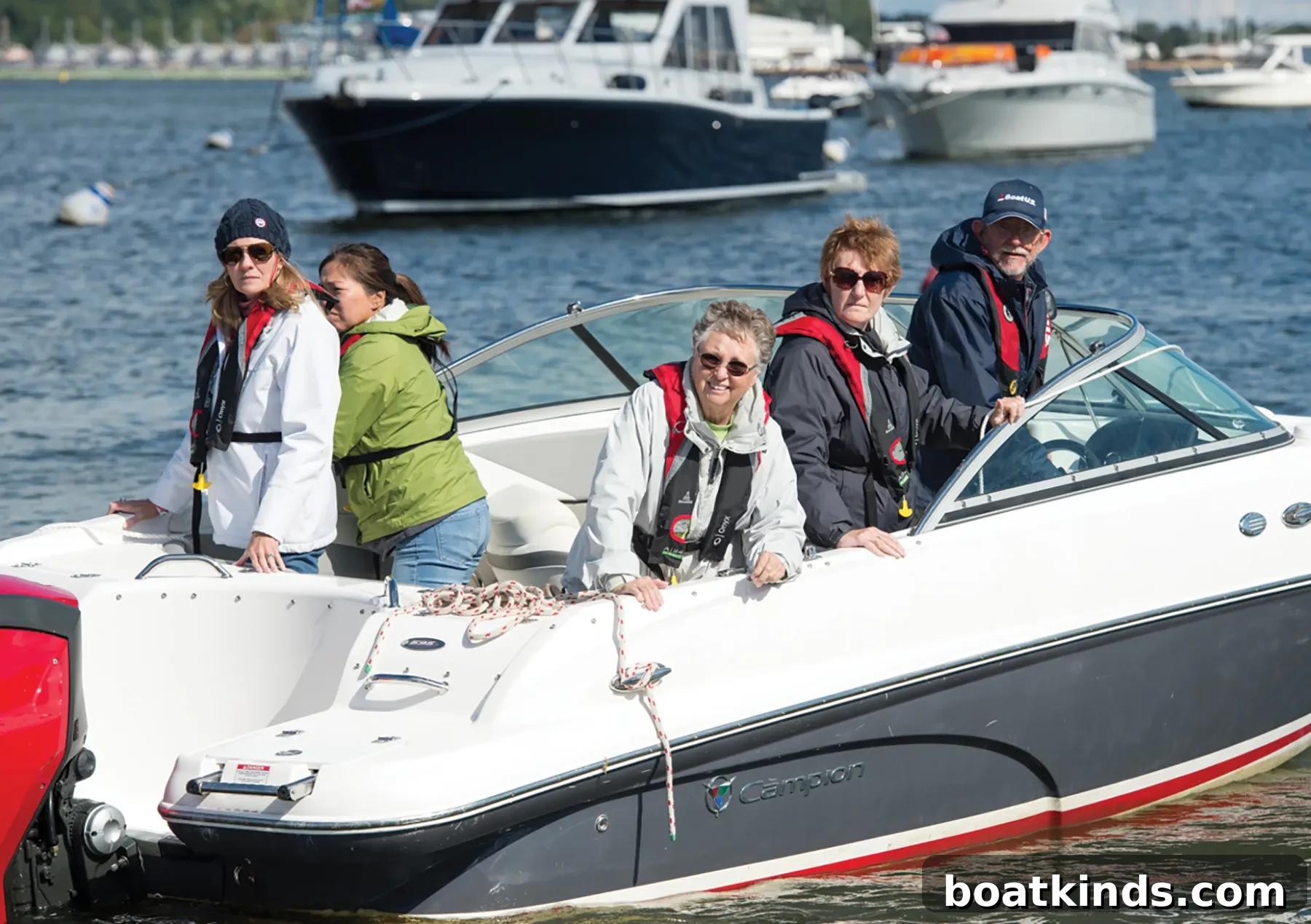
Another major focus for Lougheed is expanding hands-on, on-the-water training opportunities. BoatUS currently lists 17 locations offering practical training through partners—about twice the number available in 2022—and Lougheed aims to extend that network nationwide. These courses teach essential skills like docking and close-quarters handling, giving boaters confidence and helping reduce accidents.
“We want builders and dealers to help promote this training to new owners,” she said. “Learning to dock and handle a boat makes the whole experience more enjoyable. Confidence on the water changes everything.”
BoatUS public affairs leaders emphasize affordability as a priority for these courses, so more people can access practical boating education. “After an on-the-water session, people often leave smiling and more confident,” said Scott Croft, BoatUS vice president of public affairs. “That confidence is what keeps people engaged with boating.”
Lougheed traces her commitment to boating back to childhood in northern Virginia and college years in Charleston, South Carolina—times spent windsurfing, kayaking and exploring the outdoors. She intends to continue growing BoatUS programs and partnerships while leading the Foundation’s new cleanup and education initiatives.
This article was originally published in the February 2024 issue.