
Coast Guard and Washington Department of Ecology Oversee Salvage Response at Vigor Marine Shipyard in Everett
The U.S. Coast Guard and the Washington State Department of Ecology are jointly overseeing a salvage and response operation at Vigor Marine’s shipyard in Everett, Washington, after a dry dock partially submerged and an adjacent tugboat capsized. The incident is being managed by Vigor Marine with contractors on scene, and agencies are maintaining active oversight to protect public safety and limit environmental impacts.
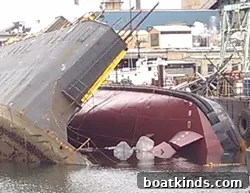
Contracted diving specialists from Global Diving and Salvage have been working this week to remove debris and assess the situation. According to reports from the site, debris removal operations are restricted to the controlled waters immediately surrounding the submerged dry dock and the partially submerged tug. Teams are conducting careful, methodical work to avoid further disturbance to the vessels and to minimize any potential contamination of surrounding waters.
Initial assessments indicate the dry dock partially sank, which in turn allowed the nearby tug to capsize. Responders say both the dry dock and the tug have since been stabilized to prevent further movement. Multiple layers of oil spill containment boom have been deployed around the vessels as a precautionary barrier to help contain any possible fuel or oil release while salvage and recovery efforts continue.
Salvage planning and preparations are ongoing. Salvage operations in incidents like this typically involve structural assessments, environmental monitoring, planning for controlled recovery or refloating, and coordinated work with divers, salvage engineers, and environmental specialists. While these general steps are commonly part of marine salvage efforts, the specifics for this incident are being developed on site by Vigor Marine and its contracted teams under the supervision of the Coast Guard and the Washington Department of Ecology.
Teams are working around the clock to further evaluate damage to the dry dock and tug, to monitor water quality and shoreline vulnerability, and to prepare for the next phases of salvage. Continuous monitoring and inspections are necessary to confirm stability, determine the safest approach for removal or refloating, and to ensure that cleanup measures remain effective. The presence of containment boom and the focus on limiting debris removal to controlled areas reflect ongoing efforts to reduce the scope of environmental impact while responders plan and execute recovery operations.
Both the Coast Guard and the Washington Department of Ecology remain involved to ensure regulatory requirements and environmental protections are observed throughout the response. Their oversight helps coordinate the technical, environmental, and public-safety elements of the incident response, as well as communications with local stakeholders and the public.
For now, on-site personnel continue to evaluate the dry dock’s condition, the integrity of the tug, and the surrounding marine environment. Salvage planners are reviewing options and staging equipment so that operations can proceed safely and efficiently once under way. The response will continue to prioritize protecting the local marine environment, safeguarding crews, and stabilizing the remaining structures at the shipyard.
Further updates are expected as assessments advance and salvage plans are finalized. Local authorities and the involved agencies will provide additional information on operational milestones, water-quality monitoring results, and timelines for recovery as those details become available from the command on scene.