
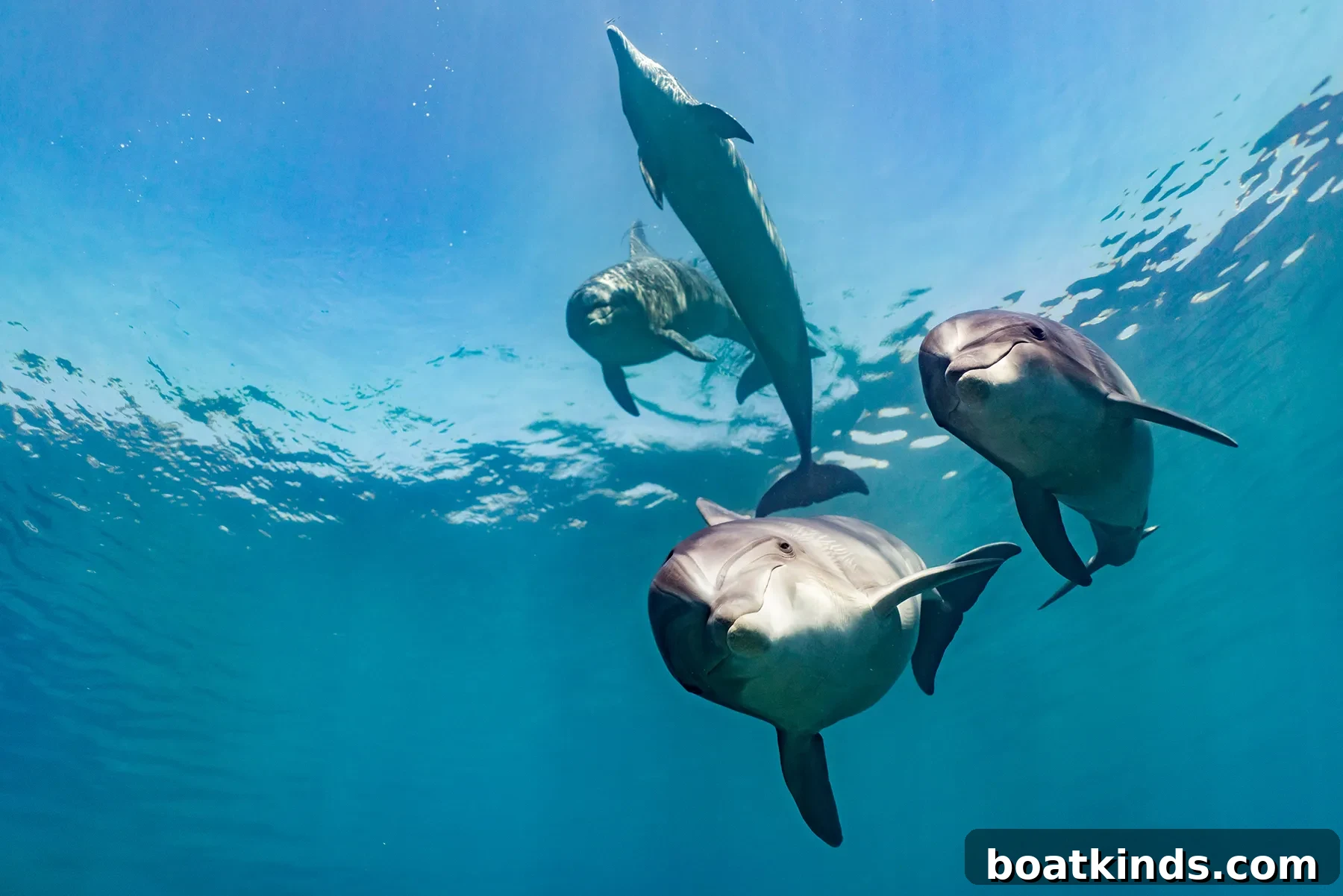
In late 2019, residents along North Padre Island, Texas, began calling the Texas Marine Mammal Stranding Network to report a dolphin they feared might be trapped. For weeks the same animal was seen repeatedly in a small, isolated cove—an unusual location for a wild dolphin. Concerned locals and rescuers kept a close eye on the animal.
When the Stranding Network investigated in April 2020, its team found a dolphin that appeared to be acting normally. “It was feeding on its own, it was showing boat avoidance, and it was definitely acting the way that a dolphin should act,” says Heidi Whitehead, the network’s executive director. Observers confirmed that at high tide the dolphin could leave the cove, and it was occasionally seen doing so. For months NOAA Fisheries opted to monitor the situation rather than intervene directly.
Two years later, in late May 2022, NOAA Fisheries issued a public warning: avoid this dolphin because it had begun displaying aggressive behavior and had become conditioned to human interaction. “The dolphin has become accustomed to humans and is now displaying dangerous behavior. It should be avoided at all costs,” the agency stated. Such warnings are rare, but they reflect a serious shift in the animal’s behavior driven by repeated human contact.
Incidents like this are not unique. Whitehead recalls a similar NOAA warning issued in 2012 near Slidell, Louisiana. Experts consistently conclude that when dolphins begin showing dominance or aggression toward people, the root cause is human behavior. “Really, the primary issue is that humans have changed the course of this dolphin’s natural behavior,” Whitehead explains, emphasizing that the problem is created and exacerbated by people.
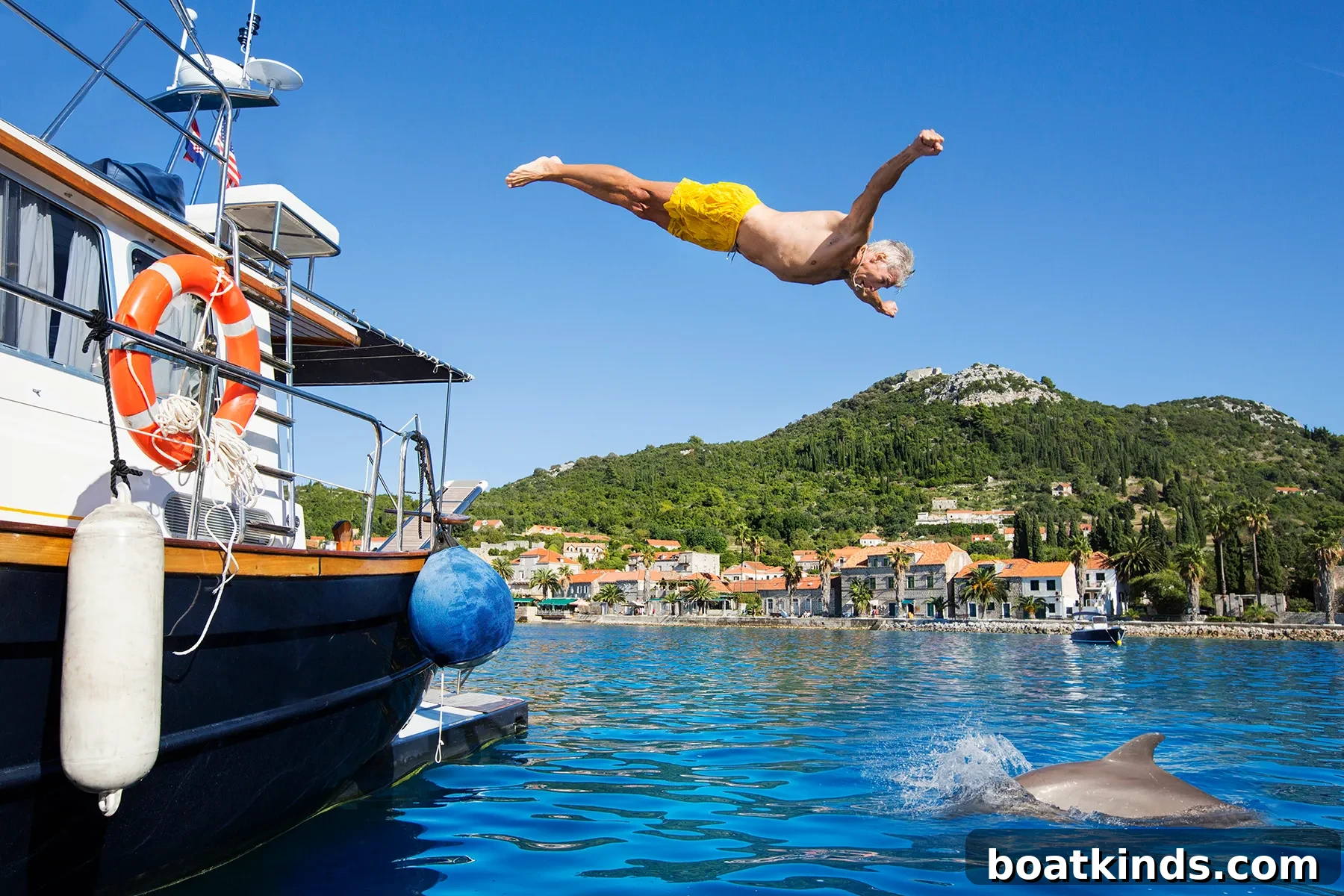
NOAA Fisheries describes a predictable four-stage progression by which a lone dolphin becomes conditioned to humans. In stage one, the dolphin follows people but keeps its distance. In stage two it begins to follow boats and swimmers, and people begin feeding, playing with, or swimming alongside the animal. By stage three the dolphin has lost its natural wariness of people and vessels. Stage four is the most concerning: the animal becomes a local attraction, drawing crowds whose inappropriate interactions can lead the dolphin to develop dominant or aggressive behaviors.
According to NOAA Fisheries, the North Padre Island dolphin has reached stage four. Whitehead says the escalation unfolded just as research predicts, despite repeated warnings and outreach. During the summer of 2020 she saw increasing social media posts of people attempting to swim with the dolphin. The Stranding Network and NOAA issued media releases urging the public to stop interacting with the animal and reminding people that harassment is illegal.
Those warnings went largely unheeded. By Memorial Day 2021 the dolphin had suffered wounds consistent with a boat propeller. Officials warned that unless human behavior changed, the situation would worsen. They repeatedly advised people to stop all forms of interaction: leave the area if the dolphin approaches your boat, and never place pets in the water to swim with the animal.
Human entertainment continued to take precedence over the dolphin’s welfare. By Memorial Day 2022 the animal’s behavior had become persistent and unnaturally bold. “It’s seeking out humans,” Whitehead says. “If you’re ankle-deep in the water, it will come up to the shore and put its mouth around your ankle. It’s starting to encircle kids who are waist-deep in the water.” This is no small animal—a typical adult bottlenose dolphin is a powerful, 300-pound, 7-plus-foot creature capable of causing injury if it acts aggressively.
NOAA’s late-May warning targeted boaters, operators of personal watercraft, and fishing-charter crews, urging them not to seek out or feed the dolphin. Whitehead reports that some charter operators have been deliberately searching for the animal on tours and feeding it leftover bait, actions that violate federal protections. NOAA enforcement has pursued some individuals who interacted illegally with the dolphin.
Looking ahead, NOAA Fisheries has convened a panel of behavioral experts to evaluate options for the dolphin’s welfare and public safety. Whitehead’s team is compiling its observations to present to that panel. She thanks the boaters and community members who have followed guidance and reported sightings responsibly, but she stresses that once an animal’s behavior is conditioned by repeated human contact, reversing that change is very difficult.
Whitehead urges everyone to follow NOAA’s marine mammal viewing guidelines: keep distance, never feed or touch wild animals, and avoid actions that remove an animal’s natural wariness. These measures protect both people and marine mammals and are essential to preventing situations like the North Padre Island case from developing.
This article was originally published in the August 2022 issue.