
NOAA’s New Supercomputers Aim to Sharpen Hurricane Forecasts for Boaters
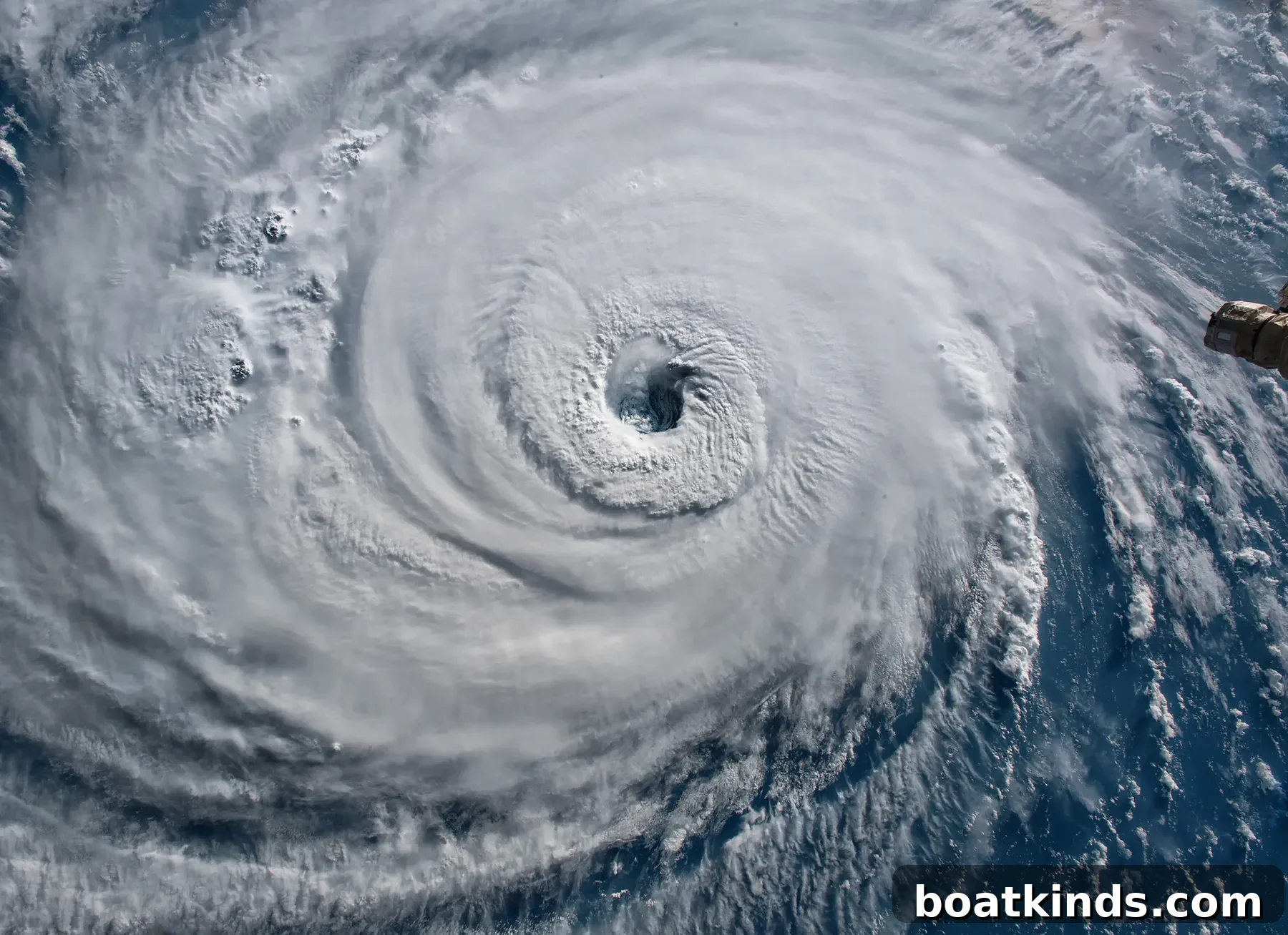
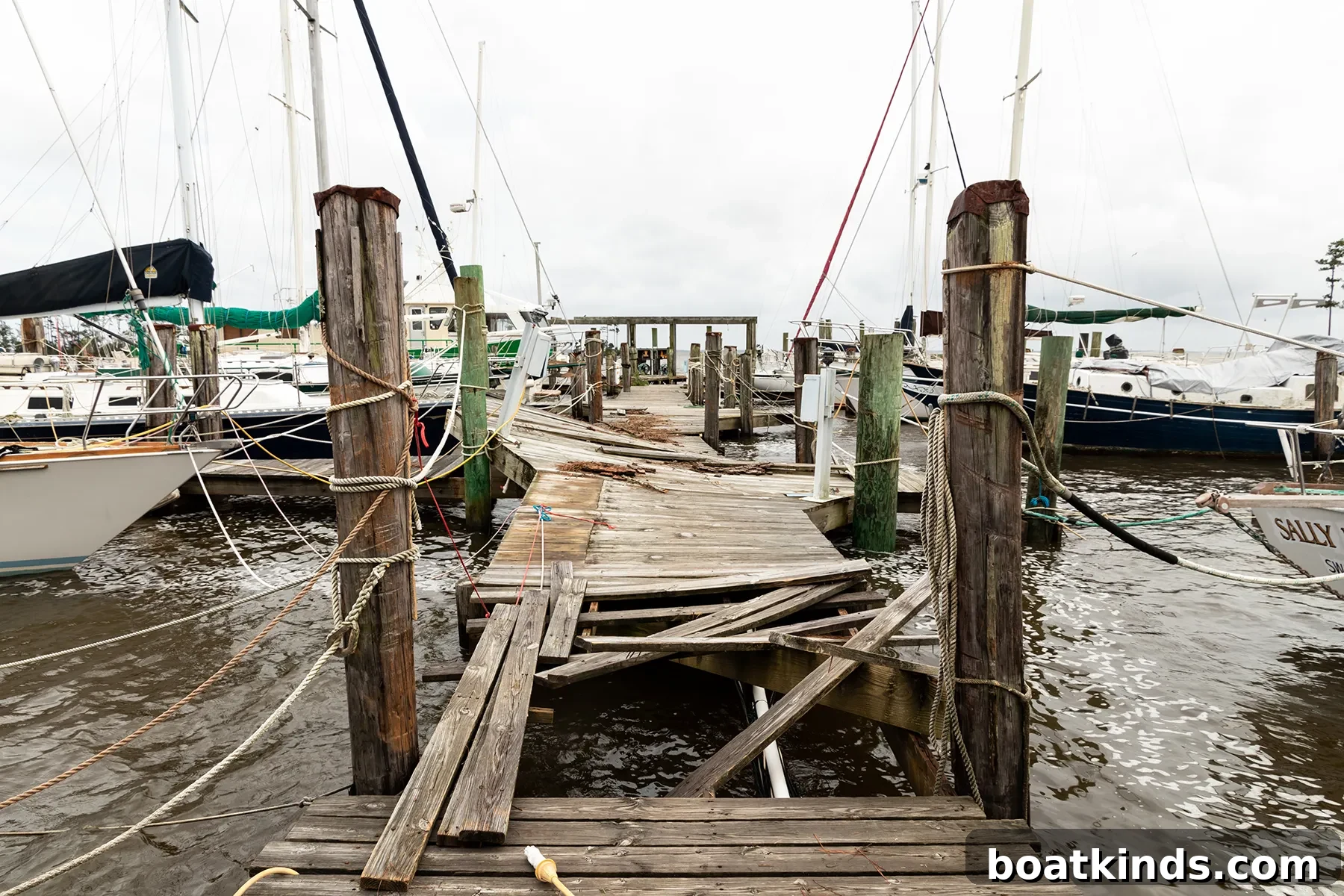
When Hurricane Matthew struck Hilton Head, South Carolina, in 2016, the storm surge and winds devastated Palmetto Bay Marina. Water rose above the pilings, winds approached 90 miles per hour, and more than a foot of rain fell in a short time. One local Sea Tow owner described an almost apocalyptic scene: “The entire marina lifted off of its anchor and then floated away.”
By contrast, just five miles away at Shelter Cove Marina, the 42-foot Grand Banks Shangri-La remained at its dock. The owners received a text from the dockmaster—“all is good”—and a video showing the boat secure. On a cruisers’ forum they expressed sympathy for their neighbors: “Feel so bad for folks in Palmetto Bay. Total carnage.”
That contrast underscores a lesson coastal boaters learn repeatedly: a few miles can make a dramatic difference in a hurricane’s impact. NOAA (the National Oceanic and Atmospheric Administration) knows this well, and it has begun field-testing two powerful new supercomputers designed to improve the precision of hurricane forecasts.
The machines—nicknamed “Dogwood” and “Cactus”—are ranked among the world’s fastest supercomputers and are three times more powerful than NOAA’s previous system. Together they operate at about 12.1 petaflops (a petaflop equals a quadrillion floating-point operations per second). That added capacity supports a new forecast model called the Hurricane Analysis and Forecast System, planned for 2023.
One of the most important improvements is spatial resolution. The new system aims to provide forecasts at roughly 2-kilometer (about 1.2-mile) resolution, compared with the current roughly 4.5-kilometer (nearly 3-mile) grid. Smaller grid spacing means forecasts can capture finer-scale variations—differences between nearby coastal towns and the localized atmosphere and ocean conditions that determine how a storm behaves.
“All of this is set up for people who are trying to have a good time, and making sure they don’t run into crazy weather,” says Avichal Mehra, chief of the National Weather Service dynamics and coupled modeling group. “The mission is all about saving life and property.” The additional computing power will let forecasters run larger ensembles, include more data, and update predictions more frequently—steps that should yield more detailed, timely guidance for boaters and coastal communities.
With more grid points and better inputs—from ocean buoys, hurricane hunter aircraft, and other observing systems—models can resolve smaller features in the atmosphere and ocean. That lets forecast teams better distinguish conditions between locations only a couple of kilometers apart. It also opens the possibility of extending reliable forecast lead times. Currently, official hurricane forecasts typically extend about five days; with the new supercomputers and improved modeling, NOAA hopes to push that toward seven days.
Before that goal can be realized, the new system must be fully initialized and tested. Teams of data scientists, physicists, and operational staff are working to assimilate the vast streams of observational data into the Hurricane Analysis and Forecast System, a task made more complex by the system’s scale and speed. Inputs come from a wide range of partners, including the U.S. Department of Energy and the U.S. Navy. Ensuring that everything runs correctly at supercomputer scale requires thorough testing and strategic staffing to maximize efficiency.
“It is quite resource-intensive,” Mehra says, noting that the work is both demanding and rewarding. The new capability lets forecasters process the data and deliver the kind of detailed guidance they have long wanted to provide but couldn’t because of computational limits.
Forecasters face difficult challenges: each hurricane is unique, with its own lifecycle and behavior. “I have analyzed more than 100 hurricanes, and each one of them is unique,” Mehra explains. Predicting whether a storm will intensify, when that change will occur, and how quickly it will weaken involves complex physical processes. The overarching goal, he adds, is straightforward—warn boaters and the public about what is happening and what to expect.
For boat owners, captains, and coastal communities, finer-scale forecasts and earlier lead times promise clearer guidance for decisions about evacuations, relocating vessels, or securing gear. Even small differences in storm track and intensity can mean the difference between relatively minor damage and catastrophic loss—just as the shelters and slips five miles apart in South Carolina showed during Hurricane Matthew.
The new supercomputers and the Hurricane Analysis and Forecast System are not a single magic fix, but they represent a significant step forward in reducing uncertainty and improving the granularity of hurricane forecasts. As the system completes its testing and moves toward operational use, NOAA expects to provide more precise and timely information that will help save lives and protect property along the coasts.
—Kim Kavin
This article was originally published in the October 2022 issue.