
Prepare Your Boat for the 2020 Hurricane Season: Forecast and Practical Steps
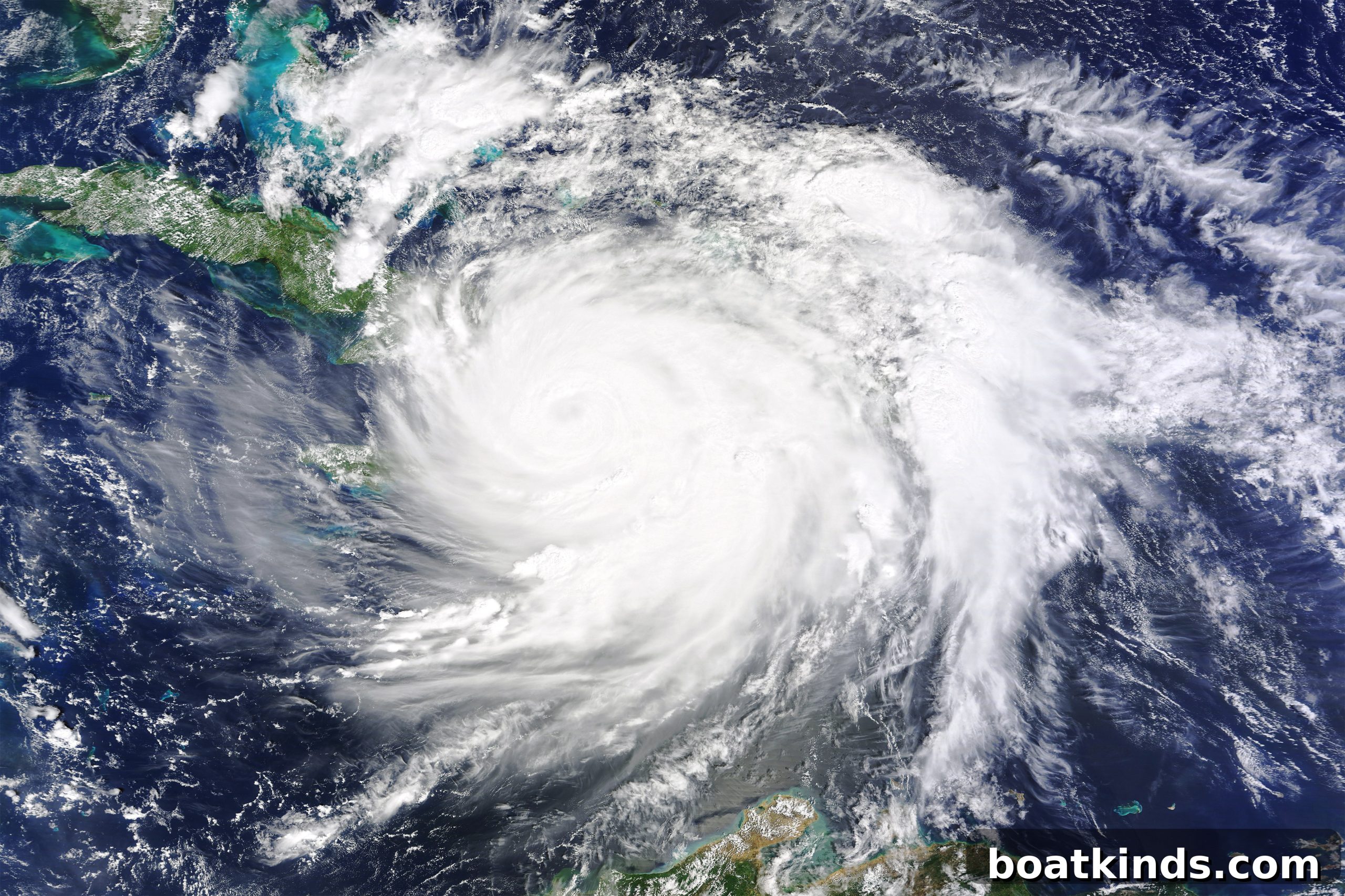
The 2020 hurricane season begins today and runs through November 30. Forecasters at the Colorado State University Tropical Meteorology Project are predicting an above-average season, calling for 16 named storms, eight of which are expected to become hurricanes and four of which could reach Category 3 strength or higher. The researchers also estimate a 69 percent chance that at least one major storm will make landfall along the coast. Contributing factors cited in the outlook include the absence of El Niño, the presence of La Niña conditions, and unusually warm sea surface temperatures.
For boat owners and marina managers, those statistics underline the importance of planning now. With roughly six months of hurricane season ahead, a customized hurricane plan will help protect your vessel, reduce stress, and improve recovery prospects if a storm impacts your area. Below are practical, actionable preparedness measures tailored to recreational boaters and small commercial operators.
Key Preparations to Protect Your Boat
Every boat and slip is different, so adapt these recommendations to your boat size, mooring type, and local conditions. The list below focuses on preventive steps you can take well before a storm threat becomes imminent.
- Create a written hurricane plan: Document where your boat will be kept, who is responsible for preparations, phone numbers, engine and fuel details, insurance policy numbers, and locations of important documents. Share the plan with family members, crew, or marina staff.
- Choose the safest location: If possible, move your boat to a hurricane-safe haul-out facility, an inland or well-protected marina, or a secure mooring known to withstand severe weather. When selecting a marina, consider protection from storm surge, exposure to wind, and the quality of dock hardware and cleats.
- Secure dock lines and hardware: Use additional chafe-resistant lines, spring lines, and heavy-duty fenders. Double-up lines and arrange them to minimize rubbing. Replace worn lines and inspect cleats, pilings, and dock fittings for corrosion or damage.
- Install and reinforce fender boards: Fender boards can distribute pressure and protect your hull. If you build DIY fender boards, make them robust and fasten them securely. Test their placement in calm conditions first.
- Prepare the interior and equipment: Remove sails, canvas, loose gear, electronics, and valuables. Drain or secure fuel and water systems as appropriate. Secure hatches and ventilators to reduce water intrusion.
- Protect electrical systems: Charge batteries and install maintenance or deep-cycle batteries for bilge pumps. Consider backup pumps and alarm systems and test automatic bilge pumps before a storm.
- Service the engine and fuel systems: Top off fuel tanks to reduce condensation and ensure you have a safe supply of fuel if you need to relocate or power bilge pumps and electronics.
- Confirm insurance and documentation: Review your policy to understand coverage for wind, surge, and salvage. Keep copies of documentation and hull identification numbers in a secure, accessible location.
- Coordinate with your marina and neighbors: Share plans with marina management and neighboring boat owners. Marinas often have shared resources, evacuation procedures, and specific requirements for lines and equipment.
- Prepare emergency supplies and communications: Assemble a grab bag with copies of documents, emergency tools, flashlights, batteries, a VHF radio, and a list of local emergency contacts. Make sure mobile phones and power banks are charged.
Use Available Resources and Training
Boat owners should take advantage of training materials, checklists, and how-to guides from reputable boating organizations. Many organizations provide step-by-step videos on setting storm lines that remain secure in heavy weather, instructions for making and installing fender boards, and advice on selecting a hurricane-ready marina. Reviewing these resources in advance will help you act quickly and effectively when a storm threatens.
Finally, treat hurricane preparedness as an ongoing process. Inspect lines, hardware, and safety gear regularly, and update your plan each season. Staying informed about forecasts and local storm surge guidance gives you the time you need to move your boat or reinforce protections safely. A well-executed plan greatly reduces risk to your vessel and helps protect your investment and peace of mind during an active hurricane season.