
Adobe Stock
Around sunset on April 4, Brian and Lynette Hooker climbed into their eight-foot dinghy to return to their boat after an afternoon ashore on Elbow Cay in the Bahamas. The next morning Brian came back to Marsh Harbour alone and reported that Lynette had fallen overboard, taking the outboard key with her. He said the current and sea state prevented him from reaching her and that he was forced to paddle the tender across the channel to shore.
A few days after his report, Brian was arrested on suspicion of foul play. The Royal Bahamas Police questioned and later released him, stating they lacked evidence to bring charges. At the time of this writing, Lynette remains missing and the investigation is ongoing. Realistically, without additional witnesses or evidence, authorities may struggle to determine exactly what happened beyond Brian’s account.
What is clear is that the couple repeatedly ignored basic safety practices for operating a small tender. Reports indicate they had been drinking, boarded the dinghy without a radio, did not wear life jackets, and attempted to navigate in wind and seas that exceeded safe operating limits for their boat — and they did so after dark. Given those choices, a mishap such as a person going overboard is sadly unsurprising.
A small tender requires the same disciplined standards as any other vessel. If you want to avoid trouble, prepare properly: be sober, carry the right gear, and operate within the dinghy’s limits. The sea treats every fall the same, regardless of whether you fell from a dinghy or a much larger boat.
So what should the Hookers have done differently, and what should you do the next time you step into your own tender? It starts with a set of firm, non-negotiable rules for dinghy operations—standards that reduce risk and help prevent tragedy.
ALCOHOL POLICY: Drinking should be reserved for when the boating day is over, not while you are planning to reboard your vessel. Brian Hooker described “unpredictable and confused seas” yet reportedly left the bar and headed out anyway. If your plan includes getting back into a dinghy rather than into bed, either abstain or change your plans. Many experienced mariners follow a “bottle-to-throttle” rule—commonly 12 hours in Coast Guard practice—which is a sensible minimum. Choose a rule and stick to it.
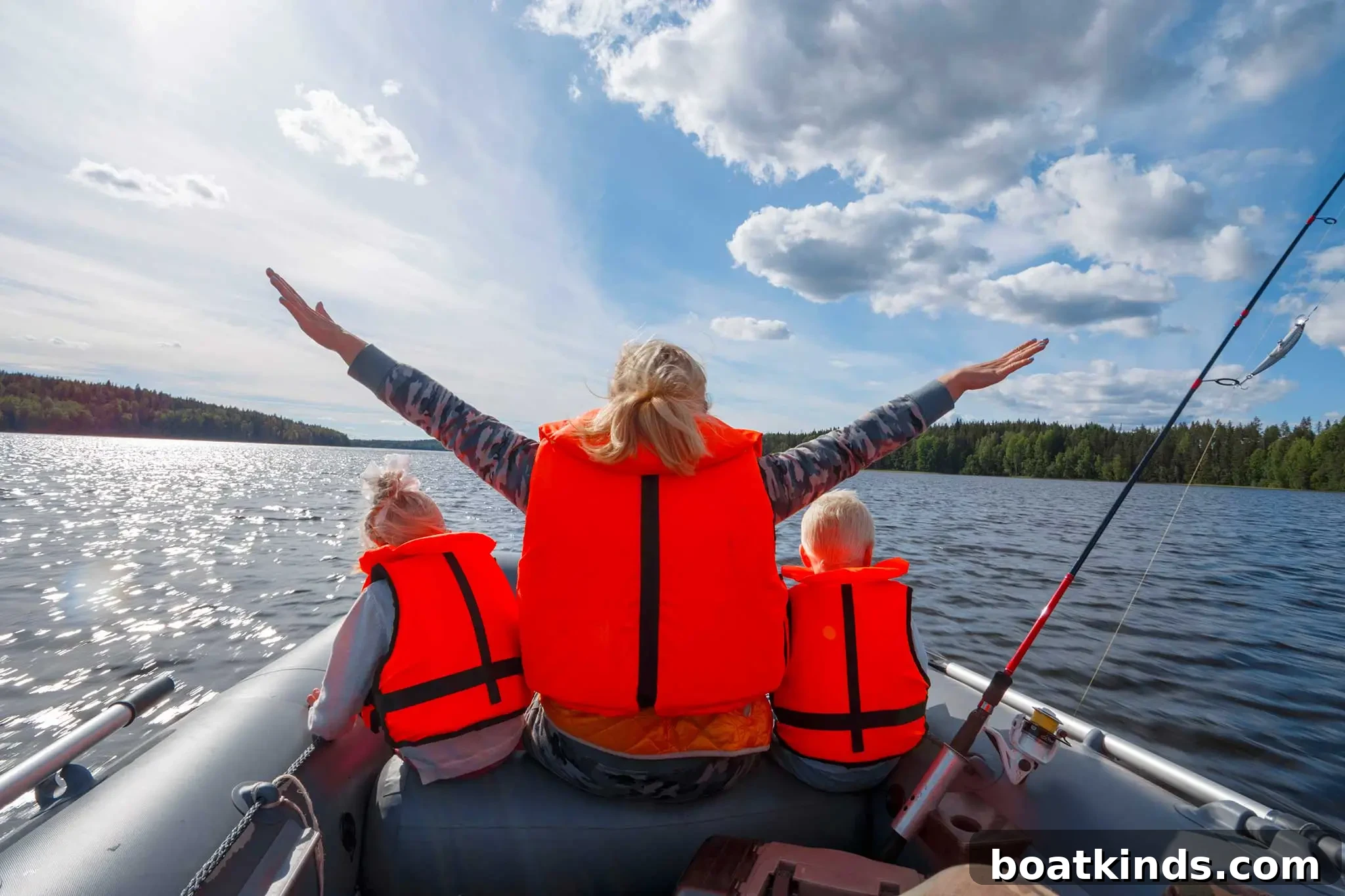
FLOTATION: Life jackets are a simple, proven safeguard that should be worn whenever you are in a small tender. I don’t expect folks to wear a life vest while cooking below or when comfortably at the helm on a big boat underway, but an eight-foot dinghy with passengers seated on the rail is a different environment. Donning a life jacket takes seconds and can be the difference between rescue and catastrophe. Being a good swimmer is not a reliable substitute; even strong swimmers drown in rough conditions.
KILL SWITCH AND KEYS: Ensure your kill switch and associated lanyard are properly configured and that you have a backup plan for keys. The purpose of a kill switch is to stop the engine if the operator goes overboard; having only one key or no backup increases the likelihood that an uncontrolled craft will be left adrift, complicating any rescue.
COMMUNICATIONS: A handheld VHF radio is one of the most important safety items for a dinghy. If your boat’s main radio fails, you would replace it—so why go ashore in a tender without communication? In this case, Brian reportedly used flares and a cellphone flashlight to try to signal others, with no success. A waterproof handheld VHF gives you a direct line to nearby vessels and the Coast Guard and is recommended by prudent boaters and by the Bahamian Port Department in its Boating Laws & Safe Practices publication.
KNOW YOUR LIMITS: Even with the right gear and sober decisions, you must respect environmental limits. If winds are 20 knots and seas are confused, reconsider crossing exposed channels or making a long return trip in a small tender—especially after dark. Schedules and convenience should never outweigh safety. When conditions exceed the capability of you, your crew, or your boat, the sensible choice is to stay ashore or find sheltered alternatives.
In the end, I suspect the disappearance of Lynette Hooker may remain unresolved: a tragic event with few witnesses and competing accounts. But the sequence of choices that put the couple in danger is unmistakable. They chose to drink, to forgo life jackets, to leave without proper communications, and to operate in poor conditions at night.
Treat your dinghy as you would any other boat. It is a hull with a motor that carries you into an unforgiving environment. Equip it properly, follow clear safety rules, and be willing to change plans when conditions demand it. Those habits are the best defense against the kind of loss we saw on Elbow Cay.