
Bud N’ Mary’s and the Birth of Modern Charter Fishing in Islamorada
In the late 1940s, Bud and Mary Stapleton left New England for Florida and purchased what had been a modest fishing camp at mile marker 79.8 in Islamorada along the Overseas Highway. They named their new enterprise Bud N’ Mary’s, opened a small tackle shop and a modest motel, and set up a second-floor apartment where they lived while building a business that would become central to the Florida Keys’ fishing culture.
Location and Natural Advantage
Islamorada sits in the heart of the Florida Keys and occupies a unique position on the Straits of Florida. To the west lie the shallows of Florida Bay and the Everglades; to the east, the deep Atlantic. That convergence of habitats produces an extraordinary variety of marine life. From nearshore species to pelagic gamefish, the waters around Islamorada have long supported thriving populations of tarpon, sailfish, marlin and many other game species. This abundance made the area an increasingly well-known destination for anglers seeking both trophy fish and dependable days on the water.
From Tackle Shop to Tourist Destination
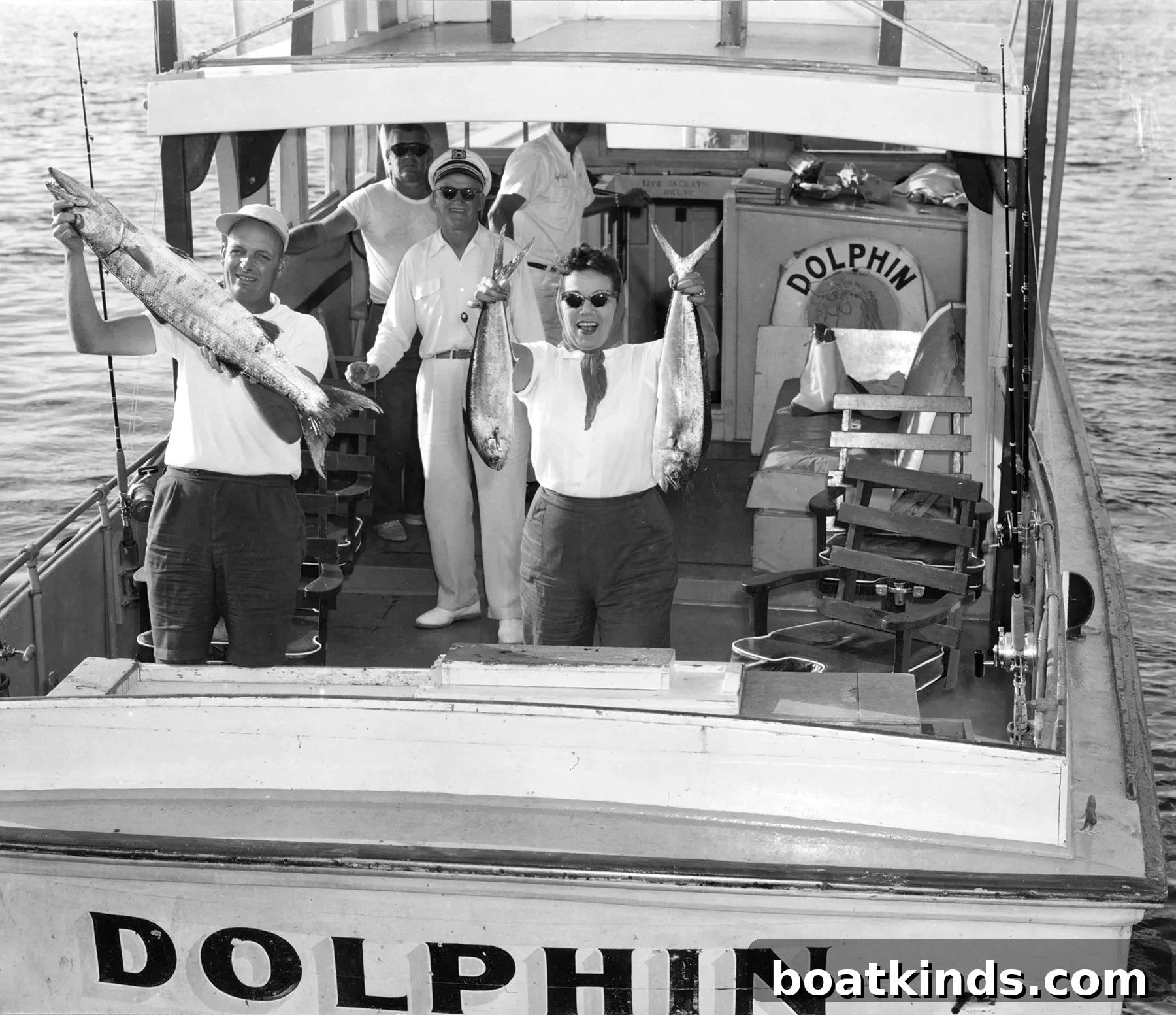
Bud N’ Mary’s began simply: a place where visiting anglers could rent gear, book a boat and spend the night. But the location and the Stapletons’ efforts helped the business grow into more than a campground with amenities. As word spread about the quality of the fishing, the site became a gathering place for local captains, visiting charter operators and sportsmen. Photographs of smiling anglers holding up their catches became commonplace, and those images helped promote Islamorada as a go-to destination for recreational fishing.
Pioneering Charter Skippers and Techniques
Central to that development was a new kind of professional: the charter skipper. These captains specialized in finding fish for paying anglers, pairing local knowledge with practical innovation. They experimented with tactics, tackle and boat setups to improve the odds of putting clients on the fish, and their successes helped create a template for the modern charter-fishing business.
Captains working out of Islamorada during the mid-20th century became particularly influential. Capt. Don Gurgiolo, for example, ran a 26-foot boat called Gonefishin’ that was rigged to target sailfish; ordinary chairs were bolted to the deck so anglers could sit securely while fighting fish. Gurgiolo was an early proponent of light-tackle billfishing and employed live ballyhoo as a highly effective bait.
Capt. Allan Starr took similar techniques in new directions. He fished shallower water with ballyhoo and used a tuna tower—a relatively uncommon feature at the time—to spot sailfish following schools of mackerel and small tuna. Another notable local, Capt. Jimmie Albright, gained a reputation for skill and showmanship, drawing celebrity clients and guiding figures such as President Harry Truman and baseball star Ted Williams during his career.
Enduring Legacy
Over the following decades, the experience and methods developed in Islamorada spread beyond the Keys. Captains who had cut their teeth there moved on to fish in Mexico, Costa Rica and South America, bringing with them techniques and a customer-focused approach that influenced charter fleets throughout the region. They taught younger anglers and new captains how to read water, select bait, and structure trips so customers left smiling—lessons that remain central to charter operations today.
Bud N’ Mary’s itself became an iconic stop along the Overseas Highway, more than a business: it was a focal point for a community shaped by sportfishing. The combination of prime fishing grounds, enterprising captains and hospitable lodging helped transform Islamorada into a lasting angling destination.
This article was originally published in the June 2021 issue.