
All 18 Crew Members of Asian Forest Rescued by Indian Coast Guard Off Mangalore
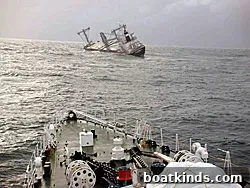
On July 17, the Indian Coast Guard successfully rescued all 18 Chinese crew members aboard the merchant vessel Asian Forest after the ship developed a severe list roughly six nautical miles from the port of Mangalore. According to initial reports, the vessel—which was carrying a consignment of iron ore—tilted approximately 50 degrees to portside, creating an immediately hazardous situation for the crew and the ship’s stability.
The ship’s captain attributed the incident to adverse weather conditions. Coast Guard officials described the Asian Forest as being in a dangerous condition when they arrived on the scene, and they emphasized that the sea state was rough during the rescue operation. The combination of a large angle of heel, shifting cargo, and heavy seas significantly increased the risk of capsizing or flooding, making the timely evacuation of the crew the top priority.
Maritime incidents of this nature highlight how quickly a transport vessel can become imperiled when exposed to strong winds, large swells, or sudden changes in weather. A 50-degree list is well beyond typical operational tolerances and generally indicates major loss of stability—often caused by cargo shift, hull breach, water ingress, or a combination of factors. In this instance, the captain’s report that weather was a contributing factor underscores the importance of careful voyage planning, cargo securing, and ongoing weather monitoring for ships operating in coastal and offshore waters.
The Indian Coast Guard’s response to the Asian Forest incident underscores the role of national maritime agencies in protecting life at sea and safeguarding shipping traffic near busy ports such as Mangalore. Rapid mobilization, clear command-and-control, and effective coordination with the vessel’s crew are essential elements in any successful rescue. While specifics of the rescue tactics used have not been publicly detailed, such operations typically involve assessing vessel stability, establishing safe transfer routes, and using lifeboats or other craft to bring crew members aboard rescue vessels while ensuring their medical and safety needs are met.
All rescued seafarers will generally undergo standard post-rescue procedures that include medical checks, assessment for hypothermia or injuries, and documentation of the event. The presence of an international crew—18 Chinese nationals in this case—also highlights the international nature of commercial shipping and the importance of cooperation among coastal states when responding to emergencies in territorial waters or contiguous zones.
Incidents like the one involving Asian Forest also raise questions about salvage, environmental risk, and follow-up investigations. A vessel that has listed severely and remains in a dangerous condition may require salvage operations to prevent pollution from fuel or cargo spillage and to recover the ship or its cargo. Investigations into causes typically involve port state authorities, classification societies, and the shipowner to determine whether human factors, equipment failures, cargo securing, or meteorological conditions were primary contributors.
For seafarers and ship operators, the incident is a reminder of the need for robust safety management systems, regular maintenance, and adherence to best practices in cargo stowage and securing. For maritime authorities, it reinforces the ongoing requirement to maintain rapid-response capabilities and effective communication channels to handle emergencies at sea.
At this stage, authorities on-site have confirmed the crew’s rescue and the vessel’s unsafe condition; further updates may come from the Indian Coast Guard, the ship’s owners, or relevant maritime authorities as any salvage assessment, technical inspections, or formal inquiries progress. The successful evacuation of all 18 crew members stands as a positive outcome amid a dangerous maritime event, reflecting the priority given to saving lives in coastal search and rescue operations.