
A striper is defined by what it does—how it hunts, moves and thrives across an astonishing range of habitats. I’ve chased striped bass for a lifetime, and every season they still surprise me.
What’s not to love about the striped bass? Some anglers quibble—New York fly guide Captain Brendan McCarthy once wished stripers would tail on flats like bonefish—but that’s a minor gripe. Others say if stripers ever started spectacular aerial displays, they’d abandon everything to follow them. In truth, stripers rarely launch into high, acrobatic jumps; more commonly they execute powerful, half-emergent rolls that slap the surface and flash silver. Their appeal lies elsewhere.
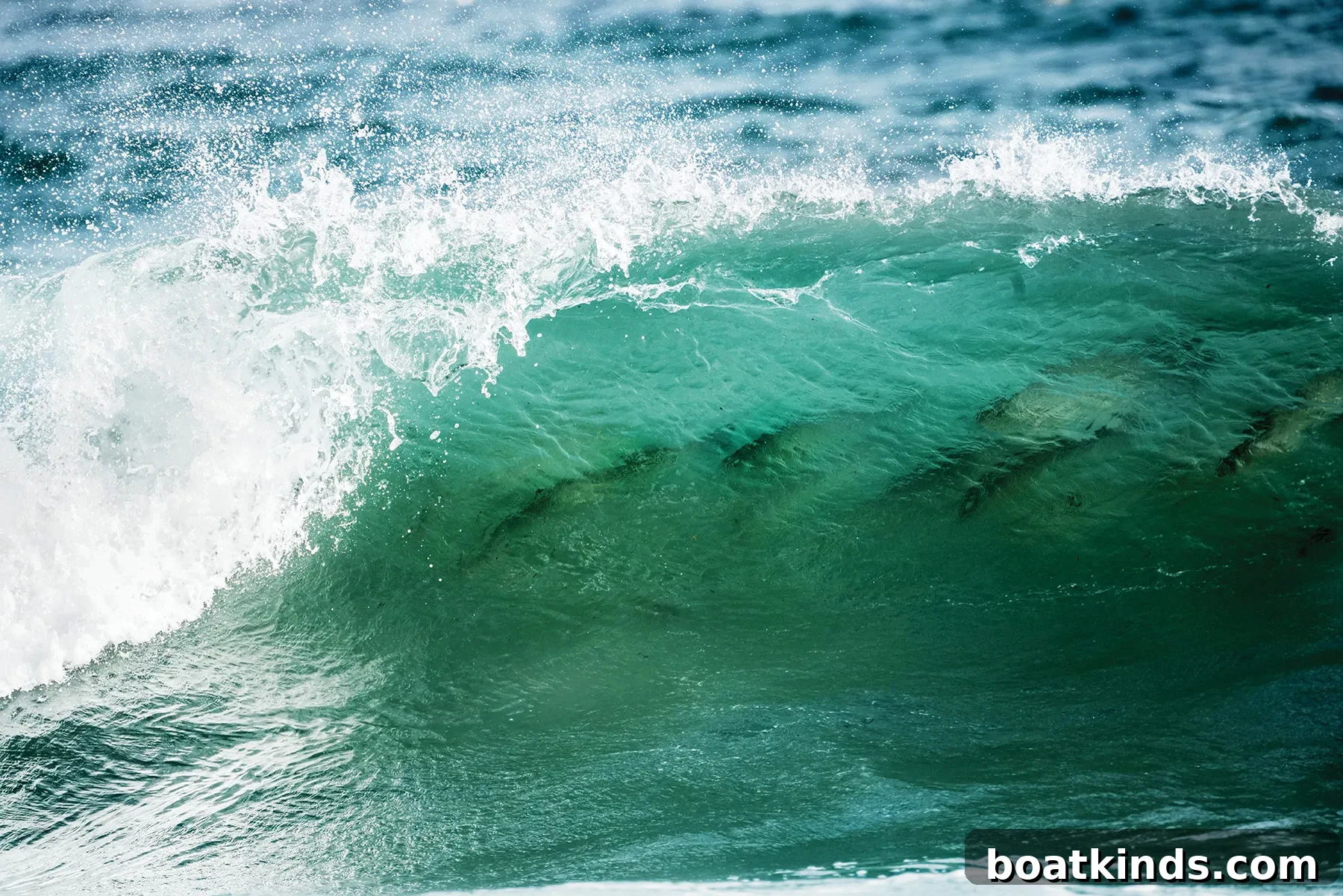
Striped bass make up for limited theatrics with unmatched versatility. As John Waldman, an aquatic conservation biologist and long-time observer of the species, puts it: stripers are the ultimate generalists. They inhabit nearly every coastal habitat from North Carolina to Quebec—estuarine flats, rocky shores, bays, tidal rivers, reservoirs and offshore waters. You’ll find them in urban harbors as readily as in remote stretches of coast. Their tolerance for extremes of weather, currents and water types is remarkable.
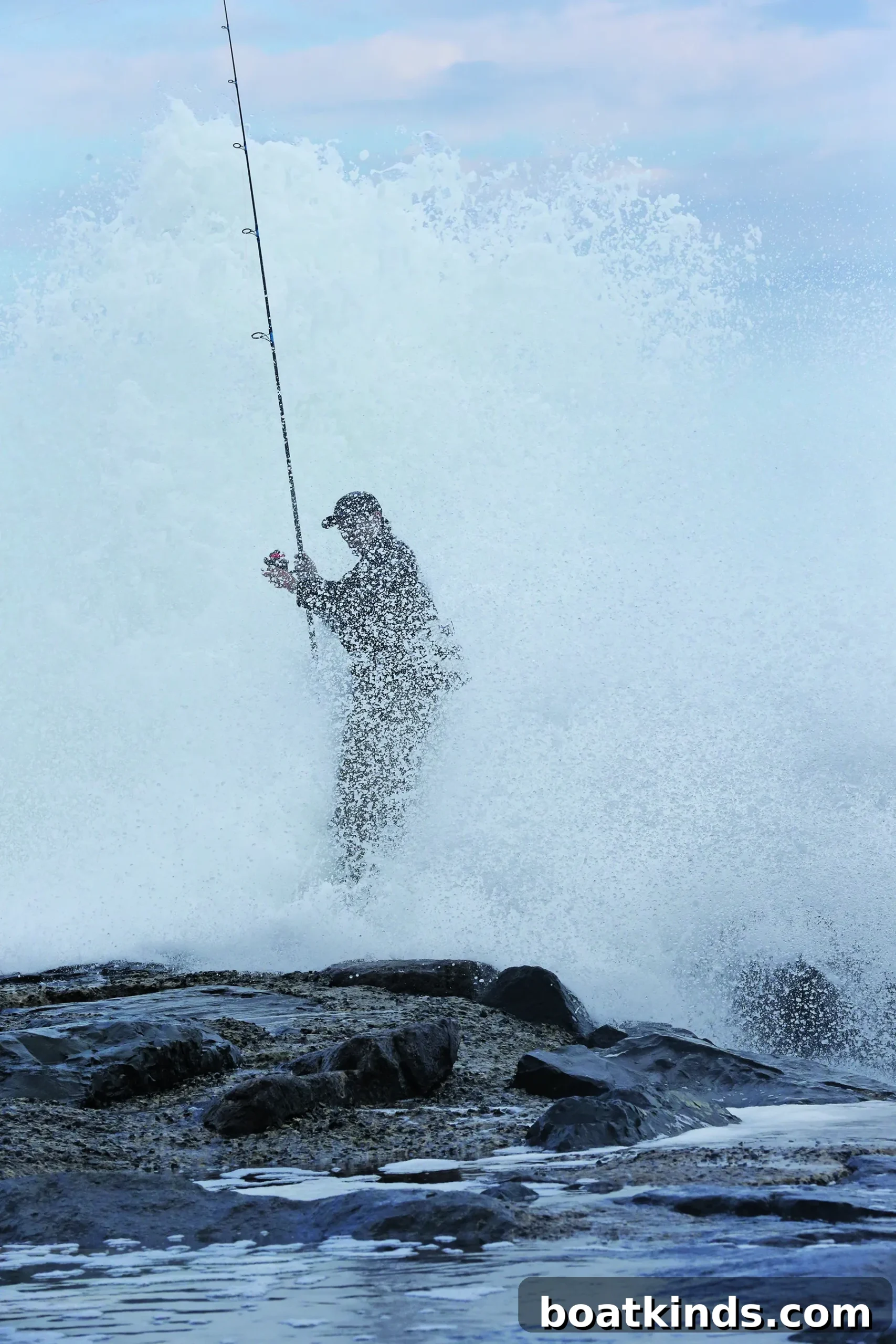
Stripers feed through the worst weather most boats avoid—nor’easters, hurricane remnants, horizontal rain and pounding surf. In those boisterous conditions, baitfish become disoriented in the froth and currents, and stripers exploit the chaos. I remember, as a teenager, watching a striper tear up the back of a green breaker to intercept my jig—moments like that capture why so many anglers revere this species.
They’re equally comfortable feeding in calm places: salt ponds where they sip small worms, flats where they sift sand eels and crabs, and tidal rivers where they move with the flood and ebb. Photographer Tom Lynch chases them in heavily industrialized backwater areas and even near former Superfund sites, a testament to the species’ resilience.
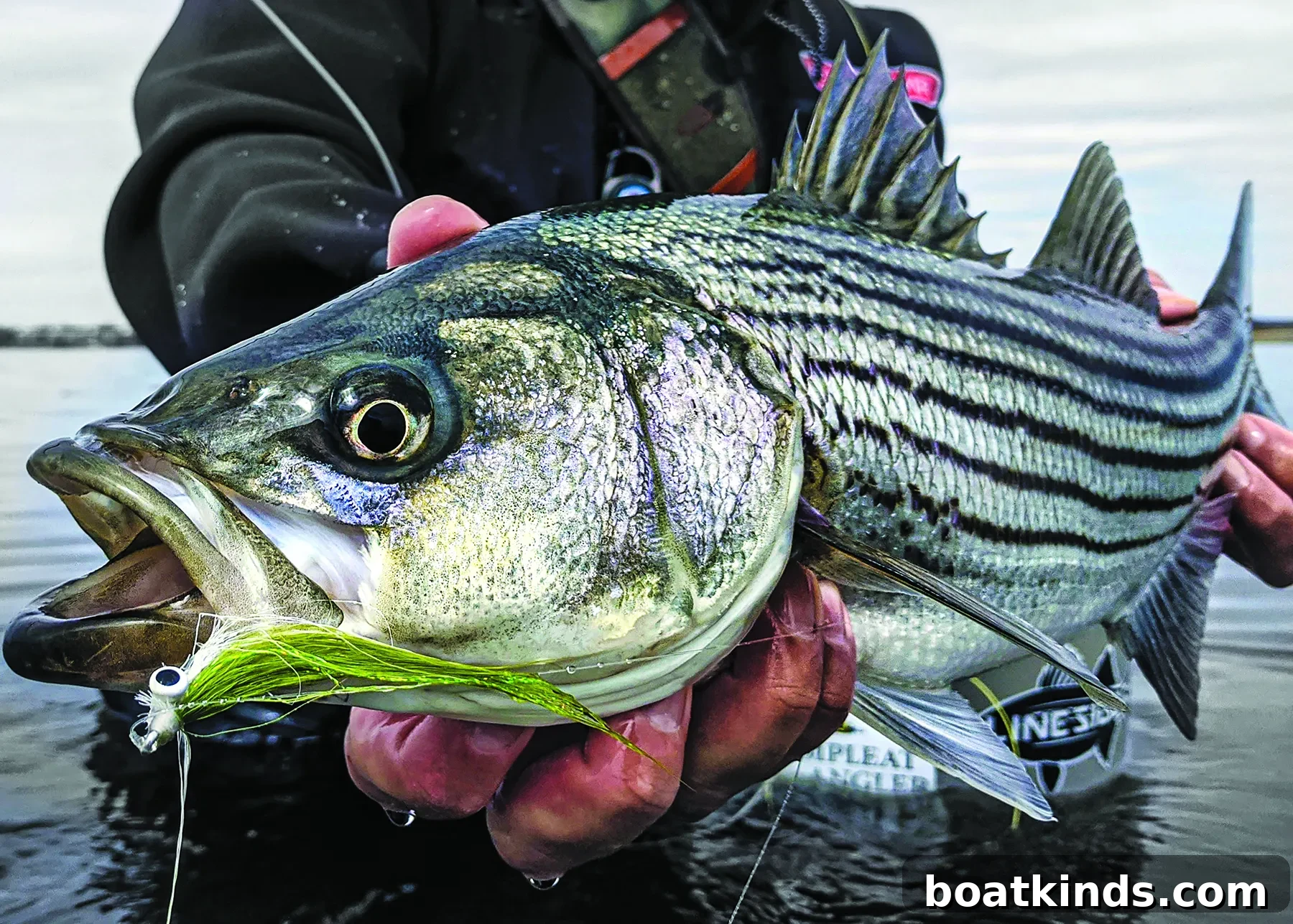
One key to a striper’s success is its lateral line—an organ running along the sides and partially onto the tail fin that senses vibrations and motion. That sensitivity lets stripers zero in on struggling bait in white water or low-visibility conditions. John Waldman likens the perception it provides to “wind on our naked body”—a broad tactile awareness that complements vision during daytime strikes.
Some of the most electrifying fishing happens when schools of bait become trapped in broad swaths of breaking waves. Stripers cut through foam and bait with explosive aggression: you time a cast to land as the last wave crumbles, crank the reel a few times, and suddenly you’re tight to a fish. Those sensory and visual moments—foam, sound, sudden silver—are what make striped bass fishing unforgettable.
Stripers are built for that work. Their broad, broom-like tail provides torque and maneuverability in churned water. Their mouths are lined with regular teeth that feel like sandpaper—responsible for the notorious “striper thumb”—and they have additional lingual teeth on the tongue and gullet to grip and crush prey such as small crabs. These dental adaptations make them efficient predators of mullet, menhaden, eels and a long list of other prey.
They don’t fight like tuna, leap like tarpon, or sprint like bonefish, but a big striper in heavy cover can be every bit as challenging. Most successful striped bass anglers learn to fish nights and moving tides from both boat and shore. While daytime bites occur—especially in deep water or at peak seasonal times—the species often prefers the cover and feeding opportunities of night tides and tidal flows. Pattern knowledge, persistence and tide-savvy strategies pay off.
Stripers can be puzzling. One day they’ll smash cast after cast; the next they’ll resist everything you offer, leaving anglers to tinker with colors, retrieves and tackle while trying to decode their behavior. That unpredictability is part of the chase—and part of the addiction. Anglers of every background pursue them: charter skippers and weekend fishermen, fly anglers and bait casters, city dwellers and people who live along quiet stretches of coast. You can catch a 30-pounder on a basic discount-store rod with a chunk of menhaden, or on a finely tuned fly outfit with a hand-tied pattern. The fish doesn’t care about gear—only opportunity.
Visually, stripers are classically handsome: a stout, balanced profile, broad shoulders, a large head and seven or eight distinct dark longitudinal stripes. Colors vary with habitat—darker purples, greens and browns in deeper, weed- and rock-covered waters; lighter, mirror-like hues on sandy flats. Hold one in your hands and the turquoise and purple tones around the eyes and gill plates become evident—beauty revealed up close.
Because they’re neither trivially easy nor impossibly elusive, stripers occupy a sweet spot in recreational fishing. “They’re at the elite edge of the everyman fish,” Waldman says. Captain Brendan McCarthy calls them “the most everyman fish on the planet.” They reward effort and study: anglers who maintain sharp hooks, strong knots, smooth drags and who learn tides, currents and seasonal patterns usually outfish the rest.
Diet-wise, stripers are opportunistic. A Massachusetts study once found dozens of prey items in the stomachs of thousands of sampled bass—evidence that these fish will eat nearly anything that fits. Historically, large stripers—some accounts describe fish well over 100 pounds—were taken by seine and pound-net fisheries in a different era. The current all-tackle world record stands at 81.88 pounds, caught in 2011 off Connecticut on a live eel. Modern fishing pressure and changing environments make truly massive fish less likely, though anglers still dream of giants roaming deeper waters beyond usual routes.
Ultimately, the striped bass is a coastal icon: adaptable, powerful and beautiful. It thrives in a range of habitats, challenges anglers across skill levels, and provides the kind of sensory, seasonal fishing experiences—white-water blitzes, lantern-lit night tides, and long migrations—that have bonded generations to the shore. For many, stripers are America’s fish: wild, accessible, and endlessly compelling.
Seasons of the Striper: Pursuing the Great American Gamefish by William Sisson was published by Rizzoli New York in 2022.
This article was originally published in the December 2022 issue.