
Cruising the New Hampshire–Maine Coast: A Week on the Gulf of Maine
Summer cruising along the northern East Coast offers some of the most varied and scenic waterways in New England. If you have a week or more to explore, the stretch of coast around the New Hampshire–Maine state line is an ideal choice. From commanding harbor views and historic sites to quiet anchorages and seaside towns, this region has something for both new and experienced cruisers.
Begin your trip in New Castle, New Hampshire—the gateway to the Gulf of Maine. Spend a night at Great Common Island near the Portsmouth Naval Shipyard, where it’s common to watch a new naval destroyer slip down the Piscataqua River for sea trials. Stock up on provisions, then head just across the border to Kittery Point, the southernmost tip of Maine and a convenient staging spot for exploring the nearby islands and coastline.
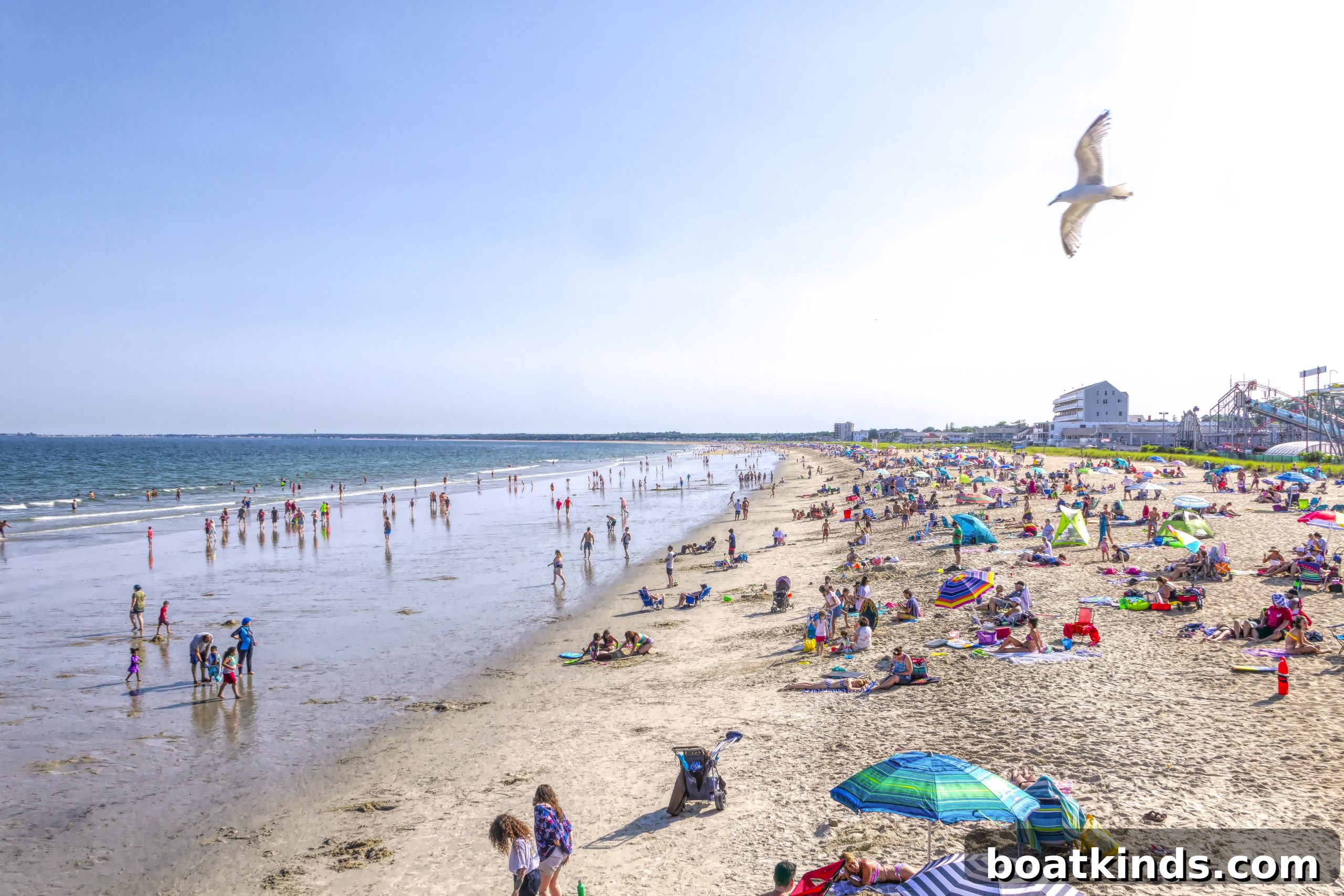
A rewarding side trip is a run through the Isles of Shoals. Pick up a mooring at scenic Gosport Harbor, which divides the island cluster: Star Island to the New Hampshire side and Smuttynose to the Maine side. Star Island, once a busy 17th-century fishing port and later the site of the grand Oceanic hotel, now attracts cruisers who come to kayak, hike wooded paths, relax on rocking chairs, and savor classic Maine sunsets.
To reach Kittery Point you’ll enter Portsmouth Harbor, passing Whaleback Lighthouse and the Wood Island Life Saving Station to starboard and Fort Constitution to port. The contrast between stately homes on the Maine side and the denser working-class houses on the New Hampshire side tells the story of the area’s maritime past—when captains, officers and merchants lived in grand houses while deckhands and laborers lived in modest quarters.
Southern Maine’s coast is more varied than many expect. From Kittery to Cape Elizabeth you’ll find popular sand beaches such as Old Orchard, along with Scarborough’s tidal pools and marsh channels that are perfect for kayaking at the right tide. While hardy surfers brave the Atlantic waves in wetsuits—the ocean averages about 56°F in summer—many visitors prefer walking the shorelines, exploring marshes, or simply watching the water.
Notable local landmarks include Cape Neddick Light—known as Nubble Light—and Mount Agamenticus, a few miles inland that once served as a seafaring landmark during early colonial settlements. History also lingers in places like Biddeford Pool and Sac Bay, where Capt. Richard Vines wintered in 1616 to test the climate’s suitability, calling the spot Winter Harbor before returning to establish a permanent settlement on the Saco River in 1623—the same year Kittery was founded.
Casco Bay brings you to Portland, Maine’s largest city and a lively working harbor. Portland blends maritime history with a modern food scene: streets are lined with galleries, boutiques and dozens of acclaimed restaurants. Maritime landmarks such as Spring Point Ledge Light, first built in 1808, and the Civil War–era Fort Gorges—later used to store submarine mines in World War II—are accessible by boat and worth a short tour.
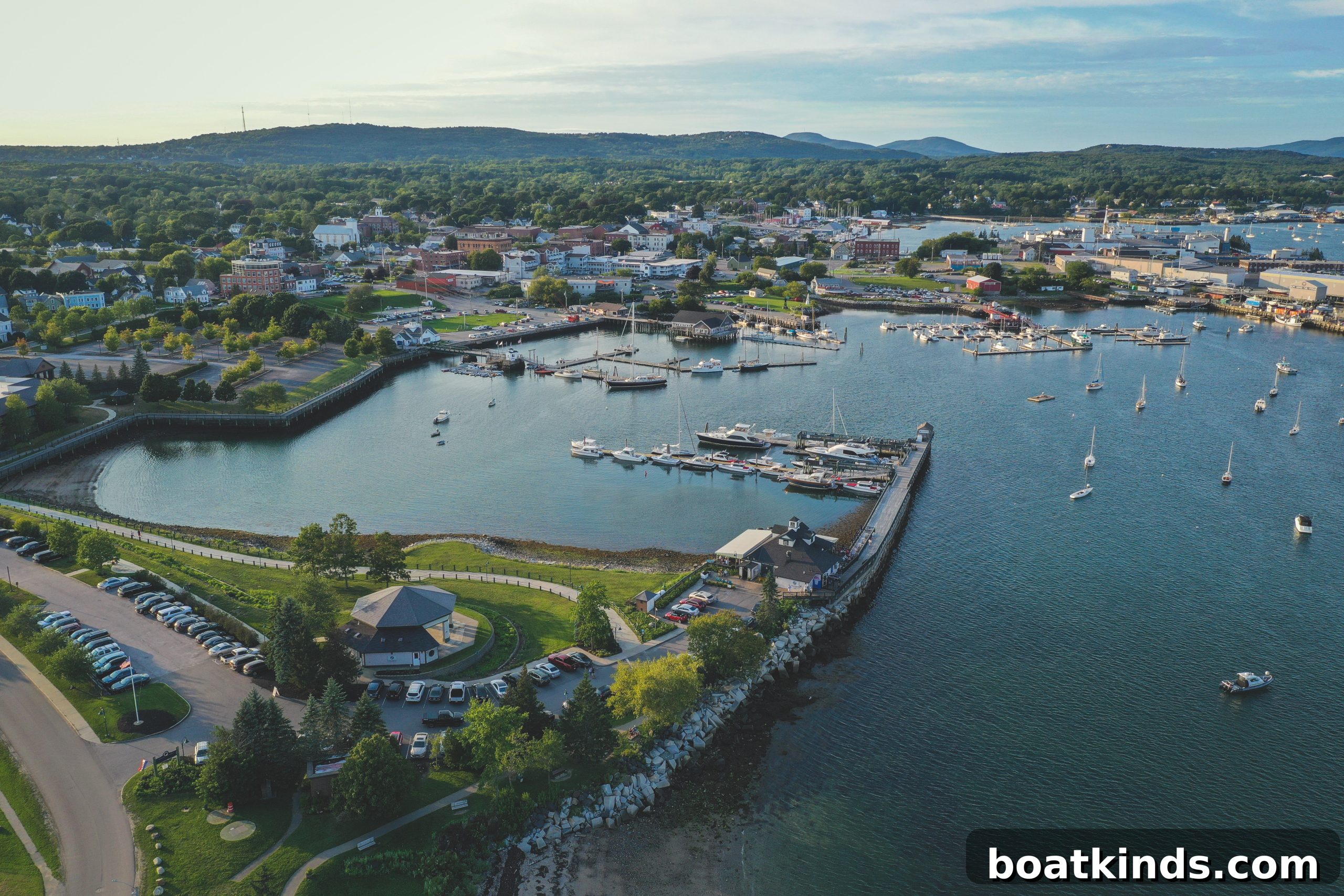
Casco Bay is compact but island-rich—the channel between Cape Elizabeth and Cape Small is under 20 miles—and on a clear day you can spot Portland’s skyline from Harpswell Neck. The bay includes Little and Great Diamond, Long, Cliff and Chebeague Islands, once nicknamed the Calendar Islands. Peaks Island, with a year-round population of more than 1,000, makes an easy day visit with available transient slips, moorings, a general store and dining options.
At the north end of Casco Bay the tidal Harraseeket River flows into a sheltered harbor at South Freeport. Boats have been built on the river since the earliest settlers arrived; vessels weighing up to 400 tons were once constructed where Brewer’s South Freeport Marine now stands. While South Freeport is known for the original L.L. Bean store, it’s also a great place for waterfront lobster—tie up and enjoy boiled lobster or fried seafood at casual dockside eateries like Harraseeket Lunch & Lobster.
To experience Maine’s more rugged coastline, head to Harpswell. Safe Harbor Great Island in Orrs Cove offers transient slips, moorings, a fuel dock and an on-site restaurant, making it an excellent base for exploring quieter inlets. A short six-mile run from the marina brings you to Snow Island in Quahog Bay, a peaceful spot for wildlife watching—look for seals and shorebirds—and perhaps a quick swim in warmer, protected waters. Snow Island is also home to an oyster farm where you can taste freshly harvested oysters while supporting local conservation efforts.
From Harpswell you can continue north to classic cruising harbors such as Boothbay, Damariscotta, Waldoboro and Rockland—central ports in Mid-Coast Maine that lead toward the Downeast region around Ellsworth and Bar Harbor. Rockland is a large, easy-to-enter commercial port with ample anchoring room, marine services like Hamilton Marine, shops, theaters, museums and restaurants. It’s also a convenient travel hub: Knox County Regional Airport in Owls Head offers Cape Air service to Boston and bus connections serve the ferry terminal for crew changes.
Rockland can serve as the final stop on a weeklong itinerary or the launching point for a longer voyage into Penobscot Bay and beyond. Many cruisers find that they could spend a week exploring Penobscot Bay and only begin to scratch the surface of its islands, coves and sheltered anchorages. Whether you’re after calm anchorages, coastal history or lively waterfront towns, the New Hampshire–Maine coast delivers a memorable cruising experience.
This article was originally published in the July 2024 issue.