
The waterways are especially busy this season, and boat traffic typically surges on the Fourth of July as families and friends head out to celebrate the start of summer. With more vessels on the water, everyone should take extra care to reduce risk and protect passengers, swimmers and other water users. Good preparation, clear safety practices, and respectful navigation make outings safer and more enjoyable for everyone.
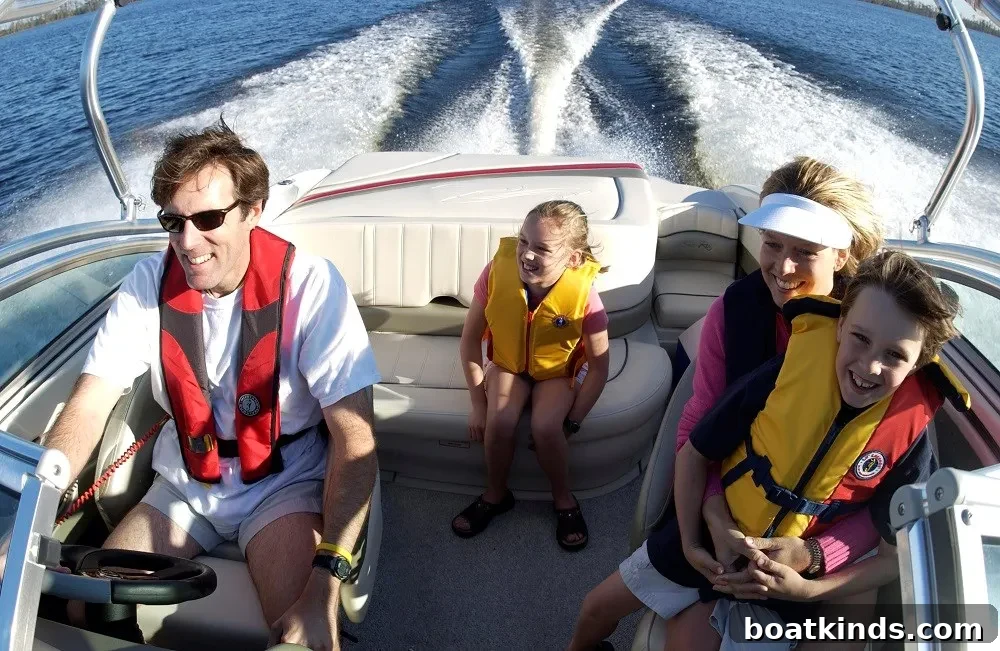
Two of the most common causes of boating fatalities are alcohol consumption and not wearing a life jacket. To keep your trip safe, avoid drinking while operating a boat and insist that everyone on board wears an approved life jacket when the vessel is underway or when they are near the edge. Life jackets save lives: pick the right size and type for each person, make sure they fit properly, and stow extras for unexpected guests.
Social distancing and health precautions remain important for gatherings. Maintain six feet of distance from anyone not in your household, particularly at crowded points like boat ramps, docks and fishing piers. Plan trips to minimize crowding at the launch, stagger arrival and departure times when possible, and carry hand sanitizer and personal protective items to use when social distancing is difficult.
Wake awareness is another key practice. Be mindful of how your wake affects swimmers, paddlers, small craft and anchored boats. Reduce speed in no-wake or slow-speed zones and when passing shorelines, docks or shallow water. Give wake-sensitive areas a wide berth and pass slowly and predictably to avoid causing property damage or putting people in the water at risk.
Fireworks and open flames create significant hazards on boats. Fireworks should not be stored or launched from most recreational vessels; use shore-based fireworks displays or watch from a safe distance. Keep fire extinguishers accessible and make sure they are charged and certified for marine use. Inspect fuel systems, secure portable fuel containers, and brief everyone on board about the location of fire safety equipment and emergency exits.
Before you cast off, perform a thorough pre-departure checklist. Confirm that navigation lights, communication devices, bilge pumps and batteries are working, and that fuel and oil levels are sufficient for the trip. Verify the condition of safety gear such as throwable flotation devices, signaling equipment, first aid kit, and a functioning horn or whistle. Check the weather forecast and be prepared to adjust plans if conditions deteriorate.
Filing a float plan is a simple step that can make a critical difference in an emergency. Leave your route, estimated return time, vessel description and passenger list with a trusted contact on shore. If your plans change, update that contact so responders have accurate information. A clear float plan speeds search efforts and reduces confusion if assistance becomes necessary.
Brief everyone on board at the start of the trip. Go over where life jackets are stowed, how to operate safety equipment, what to do if someone falls overboard, and where to meet in an emergency. Assign responsibilities for navigation, lookout duties and handling lines when docking or launching. Keeping instructions concise and practiced increases everyone’s confidence and preparedness.
Respect local rules and posted regulations. Many waterways have specific restrictions related to speed, swim zones, and noise, and enforcement often increases on holiday weekends. Plan ahead to avoid restricted areas and be courteous to other boaters, kayakers and anglers who share the water with you.
Finally, adopt a safety-first mindset: err on the side of caution, avoid risky behaviors, and keep your focus on the people and the conditions around you. A responsible approach to boating—good planning, sober operation, properly fitting life jackets, pandemic-aware behavior, and attention to wake and fire safety—helps ensure a happy Fourth of July on the water for you and everyone you encounter. For more detailed checklists and local guidance, consult your regional boating authority or official safety resources before you go.