
Don’t Touch Seal Pups: How One Rescue on Vancouver Island Unfolded
If you spot a seal pup on the shore or hauled out on a log, the best action is simple: don’t touch it and don’t try to intervene. Instead, contact local marine mammal rescue authorities. That clear message is what marine mammal experts and response networks have been urging the public to follow—and a recent incident off Vancouver Island shows why.
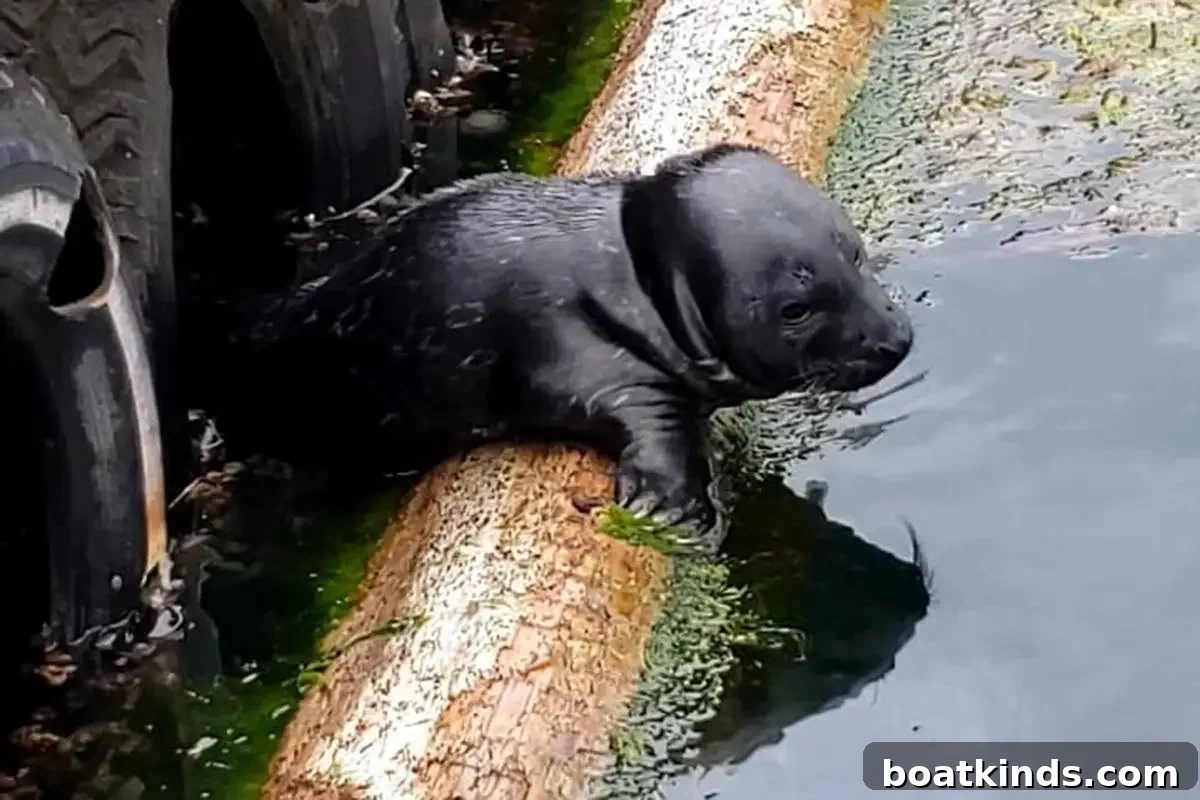
A sport fisherman from Texas plucked a newborn seal pup off a log near Port McNeill and put the animal on his boat, intending to take it to the mainland. His wife later called Ocean Wise Marine Mammal Rescue Centre in Vancouver to ask what to feed the pup, prompting a rescue intervention. The incident was reported by Vancouver Island’s Peninsula News Review.
Lindsaye Akhurst, manager at the Ocean Wise Marine Mammal Rescue Centre, took the call. She explained that a seal pup’s diet is highly specific and warned the caller not to feed or otherwise handle the animal. When she then spoke with the fisherman, the conversation became tense: he was convinced the pup needed help and that removing it from the log and putting it on his boat was the right thing to do.
Unknown to the fisherman, the British Columbia Marine Mammal Response Network had been observing the pup while it was hauled out on the log. Observers had seen an adult seal nearby, and because mother seals often leave their pups on shore for up to 24 hours while they forage, responders were not alarmed. Well-meaning but unnecessary interference can separate pups from their mothers and sometimes do more harm than good.
By the time the wife called rescue staff, the pup had been on the boat overnight and was showing signs of dehydration. The fisherman called back in a panic, telling Akhurst, “It’s probably going to die.” Akhurst persuaded him to head to the nearest port, Campbell River, where rescue volunteers were waiting in full personal protective equipment. Responders used PPE in part because of concerns about the potential for human-to-animal transmission of illnesses, including COVID-19.
The pup was transported to Nanaimo and then flown to the Marine Mammal Rescue Centre in Vancouver. Staff provided medical care, rehydration, and species-appropriate nutrition, and monitored the pup closely. Two weeks later the animal, now named Zenon Samuel, was gaining weight and learning to fish under professional supervision. Rescuers say the pup will be returned to the wild once it reaches a safe release weight of at least 44 pounds.
While Zenon Samuel is improving in care, it’s important to remember that a mother seal may still be searching for her pup. Disturbing or removing a pup can prevent reunification and reduce the animal’s chance of survival if the mother is nearby but temporarily absent while hunting.
What this incident reinforces is the straightforward guidance experts give to the public:
- Keep your distance. Observe wildlife from afar and avoid touching or moving young animals.
- Do not feed wildlife. Seal pups have specific nutritional needs; inappropriate food or milk substitutes can be harmful or fatal.
- Keep dogs and other pets away from hauled-out seals to avoid distress, injury, or separation of mothers and pups.
- If you are concerned about an animal’s welfare, contact a local marine mammal response organization or wildlife rescue center right away. Give them the location, condition of the animal, and any relevant observations.
Marine mammal response networks and rescue centres have trained volunteers and veterinary staff who can evaluate whether an animal truly needs human intervention, provide medical care, and, when possible, reunite pups with their mothers. Well-intentioned public intervention without expert guidance can unintentionally cause harm.
The Vancouver Island case ended with a positive outcome for the pup now in care, but it serves as a reminder: if you see a seal, do not touch it. Call the professionals and let trained responders decide the best course of action.