
Dometic Mobile Power Solutions: Rethinking Power for Day Boats and Coastal Cruisers
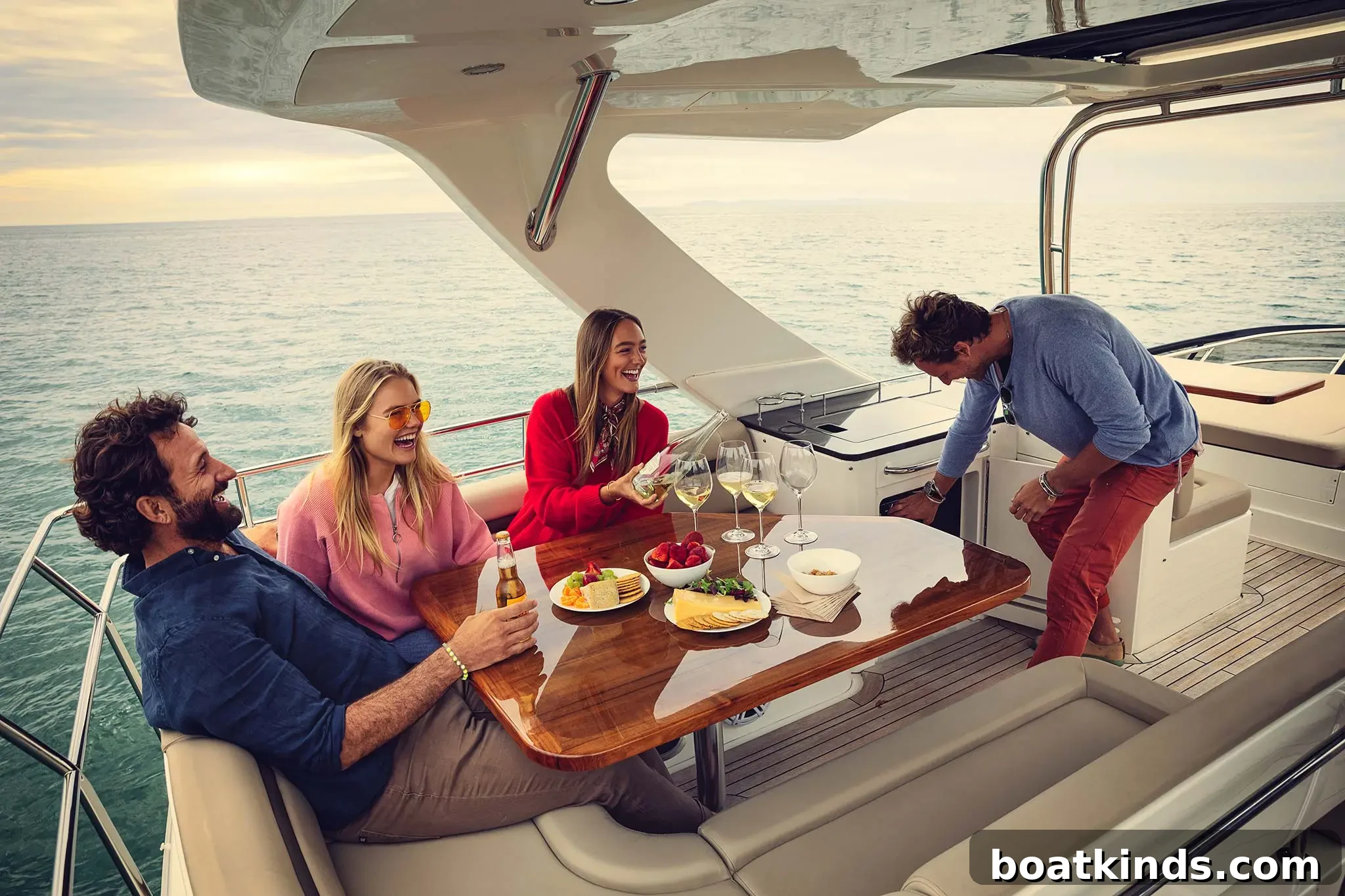
Over the past decade, many boaters have shifted the way they spend time on the water. Instead of long weekend or weeklong cruises, more owners now favor short outings—an afternoon at a sandbar or a day on the bay—returning to the dock by sunset. That trend has driven demand for purpose-built day boats, but it has also raised new expectations: owners want the comforts of home—air conditioning, refrigeration, reliable steering and charging—without the noise, weight and complexity of a generator.
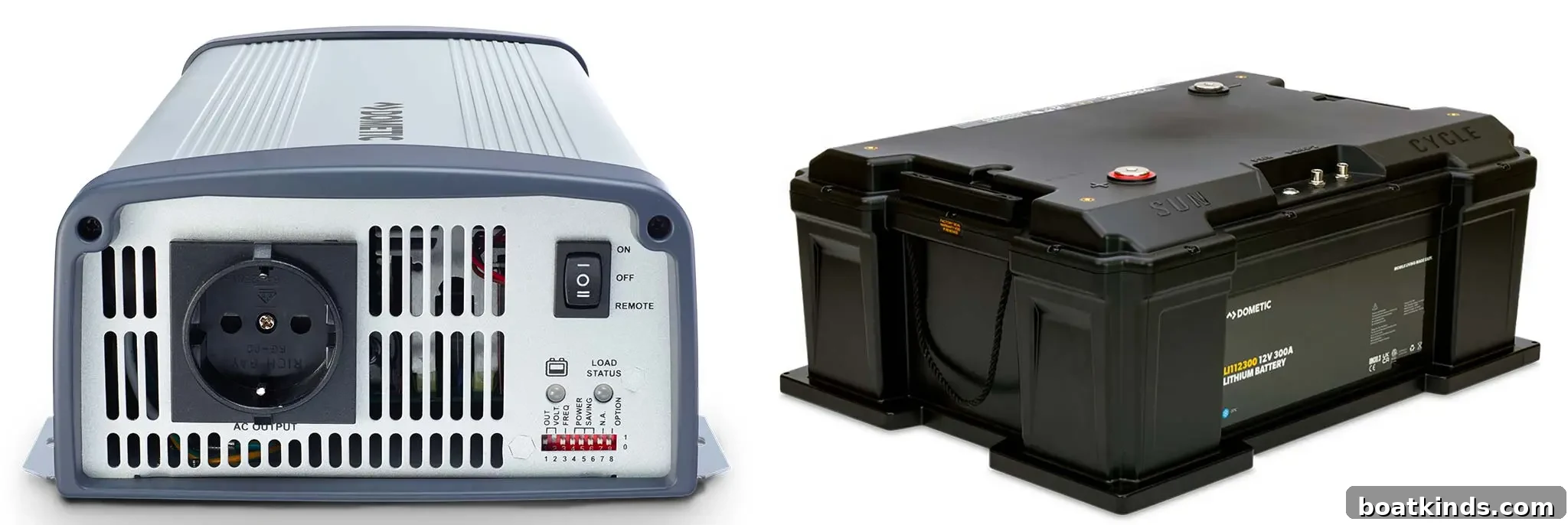
Dometic’s Mobile Power Solutions (MPS) responds to that shift by focusing on systems that generate and manage electrical power efficiently for boats that often operate without a genset. MPS combines lithium-ion battery packs, smart charging electronics, alternators and solar components with software and telematics to deliver quiet, clean power for climate control, refrigeration, propulsion accessories and other high-draw systems found on modern boats.
“Our emphasis is on day boats that typically don’t have a genset, and also on boats where removing the genset could significantly improve the user experience,” says Duane Pinkston, vice president and general manager of Dometic’s Mobile Power Systems. “Being able to run air conditioning for an entire day without a genset changes how families enjoy outings on the water.”
Pinkston shares a simple example: a Texas owner of a 32-foot boat without a genset was able to keep his family comfortable during a hot day using MPS-equipped air conditioning and refrigeration. His daughter could retreat to the cool cabin and stay hydrated while still using her phone—making it easier to get the whole family aboard and enjoy the day.
MPS is part of Dometic’s broader electrification strategy. The company is developing lighter, more powerful battery systems and supporting technologies to reduce reliance on emissions-producing engines. That strategy includes integrating components from recent acquisitions—manufacturers of lithium batteries, chargers and inverters, high-output alternators, and mobile solar systems—into a unified marine power ecosystem.
By producing many of the major loads onboard—air conditioning, climate systems and steering—Dometic gains a detailed understanding of how power is consumed on boats. That insight allows MPS to be engineered as a complete marine power system, balancing comfort, usability and safety while optimizing energy use.
At the center of MPS are lithium-ion batteries and an intelligent charging architecture. These systems can operate independently of a generator, although hybrid configurations are possible and sometimes advantageous. Eliminating the genset can simplify boat rigging by removing the generator, fuel system and exhaust, creating more usable space and reducing noise and emissions at anchor.
MPS solutions are particularly well suited to vessels from roughly 28 to the mid-40-foot range. The right system depends on onboard energy consumption and owner expectations: whether the priority is running air conditioning, powering trolling motors, keeping refrigeration cold or providing reliable electrical service for electronics and lighting.
Because smaller boats may expose equipment to spray or wet conditions, MPS batteries are engineered to meet IP67 standards for weather resistance, allowing installation in locations compliant with American Boat & Yacht Council requirements for wet areas. Ruggedizing inverters, chargers and enclosures helps ensure reliable operation without constant attention.
Efficiency is a key design goal. For example, Dometic’s Voyager air conditioners use variable-speed compressors that reduce power draw once a set temperature is reached. That adaptive behavior lowers overall energy consumption and extends battery runtime, so owners can enjoy comfort without micromanaging systems.
MPS is designed to be a smart, connected platform. Systems can be monitored and controlled through a multifunction display or a smartphone app integrated with Dometic’s Marine Gateway telematics. MPS can manage charging automatically—switching charging sources, protecting batteries when their state of charge drops below a threshold, and issuing alerts about cabin temperature and battery status—while offering the owner options for manual control when desired.
For larger yachts or longer-range needs, conventional gensets and high-capacity alternators remain appropriate. Dometic supports hybrid approaches that combine MPS lithium systems with generators and high-power alternators to offer quieter, cleaner operation while preserving the option for extended endurance when required.
To accelerate development of MPS, Dometic has expanded engineering resources and facilities, including an engineering center focused on system design and testing. New labs and a “boat-on-a-board” test environment allow engineers to emulate real boat loads and refine interactions between MPS components and typical marine systems. That investment supports more robust hardware, smarter software and improved reliability for boat owners and OEMs.
As builders and boaters grow more confident in lithium-based electrification, MPS and similar systems are helping to change expectations for comfort and convenience on day boats and coastal cruisers. The result is quieter, cleaner outings with many of the comforts of a larger yacht—without the compromises of a traditional generator.
Dometic Marine
February 2025