
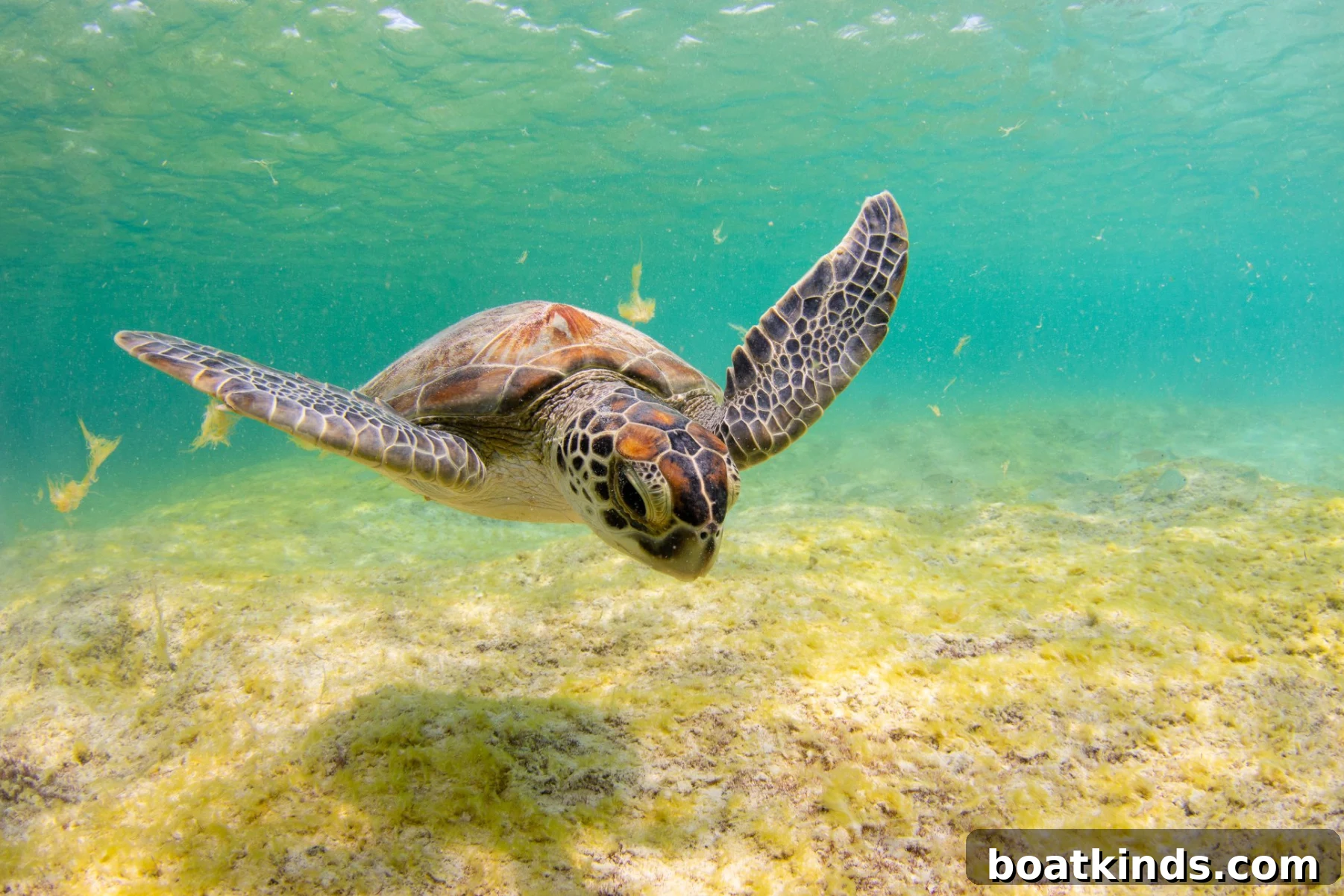
Boat Strikes Killing More Sea Turtles in 2020, Mote Marine Laboratory Reports
Researchers at Mote Marine Laboratory and Aquarium in Sarasota, Florida, say boat strikes have claimed more sea turtles so far in 2020 than during all of 2019. According to Mote, there have been 23 recorded boat-strike incidents this year compared with 18 last year. Half of the sea turtle strandings documented by the lab in 2020 have resulted from collisions with boats, up from about 25 percent the previous year.
Why incidents rose during the pandemic
Mote scientists point to changes in human behavior during the COVID-19 pandemic as a probable factor. Beginning in April, recreational boating increased as people sought outdoor spaces for safe social distancing. That surge included many first-time or inexperienced boaters entering busy coastal waters. With more vessels on the water and more people unfamiliar with local rules and wildlife patterns, the risk of collisions with sea turtles appears to have grown.
How boat strikes affect sea turtles
Boat strikes often cause severe, sometimes fatal injuries. Collisions can crack or fracture a turtle’s carapace, cause blunt-force trauma to internal organs, or result in deep cuts from propellers. These injuries are difficult to treat, and complications such as infection or inability to dive and feed can make recovery unlikely. Mote reports that, since 2019, its staff have been able to successfully rehabilitate only one turtle injured by a boat strike—an indication of how catastrophic these incidents often are.
Prevention: what boaters can do
Preventing collisions requires vigilance and small changes in behavior that significantly reduce risk. Mote and other marine experts recommend the following precautions for recreational and commercial boaters:
- Respect posted slow wake and no-wake zones, especially near shorelines, seagrass beds, inlets, and known turtle habitats.
- Reduce speed in shallow water where turtles feed and rest near the surface; slower speeds give you more time to react and minimize injury if a strike does occur.
- Assign a dedicated spotter when underway. Having an observer watching the water ahead and to the sides increases your chances of seeing turtles early.
- Use polarized sunglasses to cut glare and improve visibility of shapes beneath the water’s surface.
- Avoid running engines at high speed in areas of heavy marine life activity. When you must pass through such areas, move slowly and with caution.
- Give turtles plenty of space. Do not approach, chase, or try to interact with them; unpredictable movement from both the animal and the vessel raises the risk of accidents.
What to do if you encounter an injured sea turtle
If you find a struck or injured sea turtle, do not attempt to move or treat the animal yourself unless you are trained to do so. Improper handling can worsen injuries and cause stress. Instead, secure your vessel to keep the animal safe from additional harm and immediately contact local marine rescue authorities or wildlife responders. Provide your location and as much detail as possible about the turtle’s condition so trained personnel can respond quickly and bring appropriate care.
Community responsibility and long-term solutions
Reducing boat strikes is a shared responsibility. Boaters, charter operators, local managers, and coastal communities can all play a role by promoting safe boating practices, obeying speed regulations, and increasing awareness of sea turtle presence and behaviors. Education campaigns, clear signage in critical habitats, and routine enforcement of slow zones help protect vulnerable wildlife while allowing people to enjoy coastal waters responsibly.
Mote Marine Laboratory’s data underscores a harsh reality: a single careless maneuver can mean a death sentence for a long-lived sea turtle. With simple precautions and heightened awareness, boaters can significantly lower the number of deadly collisions and help protect these endangered animals for future generations.