
Shifting shoals and changing markers make even the newest navigational data uncertain, but cruising the Atlantic Intracoastal Waterway (ICW) remains an unforgettable journey.
Why the ICW demands constant vigilance
Some of the biggest mistakes newcomers make on the ICW come from relying on a single guidebook — or from not reading any at all. Conditions along the waterway change constantly: channels shift, marshes evolve, towns redevelop their waterfronts, marinas expand, and wildlife populations vary. Because of that, information that was accurate yesterday may not be reliable today. That uncertainty is part of the adventure, but it also requires preparation, up-to-date resources and sound seamanship.
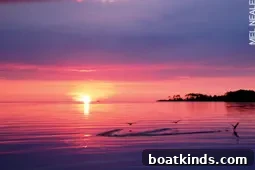
Navigation: more than a straight line
ICW travel is not like driving on an interstate. It requires an understanding of tides, currents and shifting shoals; continuous updating on conditions ahead; and good boat handling skills that develop with experience. Practical resources include multiple guidebooks, regularly updated charts, notices from the Army Corps of Engineers and the Coast Guard, and timely local knowledge from other cruisers. Listen to Coast Guard notices on VHF channel 16 and monitor local broadcasts for updates.
Depths, dredging and unreliable reports
Dredging has improved some crossings in recent years, yet depth issues persist. Shoaling can occur rapidly: areas dredged one season can be filling in the next. Some inlet crossings and cutoffs get routine maintenance; others rarely see dredging and remain shallow. Reports of extreme shallows are not always accurate — often the vessel reporting the problem was simply out of the channel. Charts, markers and local surveys should guide decisions, and the tidal range in parts of the Southeast can work in a boater’s favor when carefully planned around.
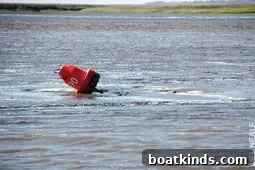
Chart plotters, magenta lines and situational awareness
Electronic chartplotters and modern cartography are invaluable tools, but they have limits. The old “magenta line” that suggests the deepest track was drawn years ago and can now be misleading where markers have been moved. Chartplotters can lag, place your vessel incorrectly on the screen or even show you over land in narrow, changeable channels. Never substitute electronics for looking ahead: watch buoys, water color, and marker placement, and always verify with current surveys and Notices to Mariners.
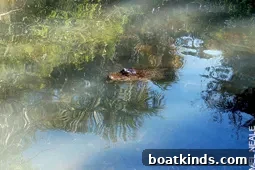
Open water and inlet passages
The ICW is not always sheltered. Large sounds and river mouths — such as Albemarle Sound, the Neuse River approaches and certain stretches near Georgia inlets — can become rough with steep, wind-driven waves. Many cruisers choose to run outside along the coast for parts of their trip; this can save time and reduce the constant steering required inside the ICW, but it requires careful weather planning and an accurate forecast for the inlet you will re-enter. Larger commercial inlets are usually safe in normal conditions, but smaller inlets are increasingly unreliable due to limited dredging and shifting navigation aids.
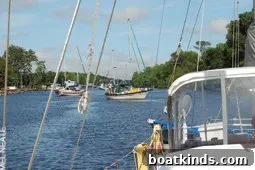
Development, shorelines and the changing character of the route
Development along the ICW has transformed many stretches that were once secluded and tree-lined. New homes, condos and docks have altered the scenery and added local boat traffic. Narrow, rock-cut channels such as Pine Island Cut (the “Rock Pile”) now sit alongside residential development, increasing the need for precise navigation and patience around inexperienced or fast-moving recreational boaters.
Bridges: scheduling, restrictions and safe transit
Restricted bridge openings have become one of the single biggest challenges for many cruisers. High-rise bridges may offer fixed vertical clearance, but drawbridges often operate on schedules that can make passage difficult, especially for slow displacement vessels. Local drivers and commuters may pressure authorities to limit openings, and bridge tenders do not always understand — or are not always up to date with — federal opening requirements. When a bridge is unavailable, a boat may be forced to hold position in a narrow channel, fight current and wind, or wait in potentially unsafe conditions. If you encounter irresponsible bridge operation, report it to the appropriate Coast Guard office so the problem can be addressed.
Favorite harbors and stopovers
Despite the challenges, the ICW offers rewarding stops and excellent facilities. Highlights include Morehead City and Beaufort, North Carolina — convenient for outside passages, repairs and provisioning — Bald Head Island with its historic lighthouse, and the charming town of Southport. Wilmington provides cultural attractions and river cruising, while Charleston offers world-class dining and maritime history. Beaufort, South Carolina, has attractive moorages and services, and northeast Florida and the St. Johns River offer rich history and friendly harbors such as Camachee Cove Yacht Harbor in St. Augustine. Many marinas provide loaner cars, good fuel and repair yards, making them practical cruise destinations.
Wilderness, wildlife and natural treasures
The ICW also threads a series of remarkable wilderness areas. The Dismal Swamp, the Alligator River corridor, the Waccamaw River and Cumberland Island all deliver remote, natural experiences. You can encounter bears, deer, wild horses, eagles and many other species — but always exercise caution in wild areas and respect local rules for protected sites. Anchoring, dinghy access and exploring creeks and trails are highlights of ICW cruising when done responsibly.
The broader value of the Atlantic Intracoastal Waterway
The ICW is more than a cruising route: it’s a national asset with commercial, environmental and historical importance. It provided a safe wartime transit during World War II and continues to support commerce, tourism and coastal economies. Barged cargo moves more efficiently and with lower emissions than highway transport, and dredging decisions affect both commercial operators and the large recreational community. Maintaining reasonable project depths and an ongoing dredging program is essential to preserve the ICW’s multiple uses.
Like many cherished resources, the ICW faces challenges from funding cuts, development pressure and changing navigation patterns. Still, the waterway remains an incomparably beautiful and rewarding route. If you can, plan a trip soon — travel the ICW with up-to-date charts, attentive seamanship and an appreciation for both the changing shorelines and the wild places that remain.
Tom Neale is technical editor for Soundings and lives aboard a Gulfstar 53 motorsailer. You can purchase his book, All in the Same Boat, and his two-disc DVD Cruising the East Coast With Tom Neale at www.tomneale.com.
See related articles:
– Helpful ICW websites
– Watching the bridges
This article originally appeared in the April 2011 issue.