
Boat Image Overview: Visual Guide, Practical Tips, and Insights
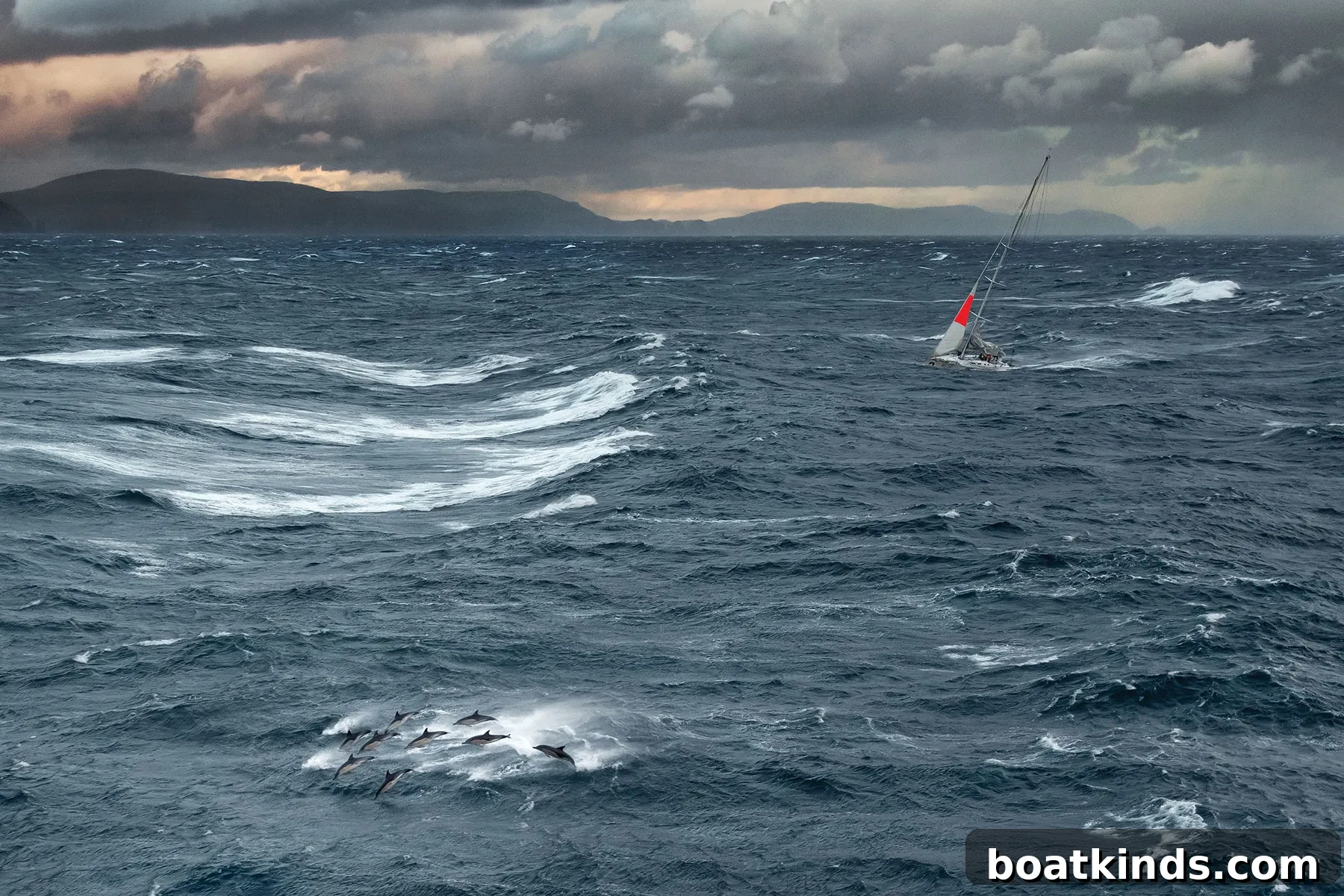
This image shows a boat presented clearly for visual reference. Whether you are a boat owner, prospective buyer, photographer, or simply an enthusiast, images like this offer useful information at a glance. In this article we describe what to look for in a boat photo, share practical maintenance and inspection points, offer simple photography tips for better marine images, and include basic safety reminders that apply whenever you are on or near any vessel.
Interpreting Boat Photos: What to Look For
A single photograph can reveal several important aspects of a boat’s condition and setup. Look closely at hull lines, visible fittings, the condition of paint or gelcoat, deck hardware, and how clean and organized the visible cockpit and deck areas appear. A clear, well-lit image helps you assess whether a vessel has been maintained or if it needs attention. Pay attention to signs of wear, corrosion around metal fittings, and any visible repairs or mismatched materials.
Practical Inspection Checklist (Visual First Pass)
Before a hands-on inspection, use photos as an initial reference point. The following checklist highlights key visual items to examine in images:
- Hull condition: check for consistent color, cracks, or obvious damage.
- Deck hardware: look for loose or corroded fasteners and fittings.
- Windows and seals: inspect seals for discoloration or gaps visible in photos.
- Propulsion area: any visible engine, outboard, or drive system components should appear clean and free from obvious leaks.
- Interior and cockpit: assess cleanliness, upholstery condition, and any visible water stains or mildew.
Maintenance Tips Suggested by Visual Clues
Images often suggest straightforward maintenance tasks. If you notice faded gelcoat or paint, consider polishing or waxing to restore appearance and UV protection. Corrosion near metal fittings suggests cleaning and protective coatings like corrosion inhibitor sprays. If the deck appears worn or stained, a thorough cleaning and inspection of non-skid surfaces will improve safety and appearance. Always follow manufacturer guidance when applying cleaners, polishes, or performing repairs.
Simple Photography Tips for Better Boat Images
When photographing boats for listings, documentation, or personal archives, aim for clear, well-framed images. Use natural light when possible—early morning or late afternoon provides soft, directional light that highlights shapes without harsh shadows. Keep the camera steady, include multiple angles (bow, stern, port and starboard sides, close-ups of fittings, and the cockpit), and capture any areas of concern with detailed close-ups. Properly composed photos make it easier to assess condition and communicate accurately.
Basic Safety Reminders
Photos are a helpful first step, but nothing replaces an in-person safety check. When inspecting or working on any boat in person, always wear appropriate personal flotation devices, ensure stable footing, and secure the vessel properly. Be cautious around electrical systems and fuel systems, especially if you see signs of staining or leakage in photos. If you are not experienced with mechanical or structural repairs, consult a qualified marine technician before attempting work yourself.
Final Thoughts
An image like the one shown provides a useful visual starting point for assessment and conversation. Use photographs as a complement to hands-on inspection, and rely on them to document condition over time. Whether you are evaluating a potential purchase, tracking maintenance, or building a visual record, clear images and thoughtful interpretation will save time and help you make informed decisions.
For best results, combine quality photos with in-person checks and professional advice when needed. Treat images as one part of a comprehensive approach to boat care, safety, and ownership.