
Swedish company Candela Technology AB has introduced the world’s first electric hydrofoiling passenger vessel: the Candela P-12.
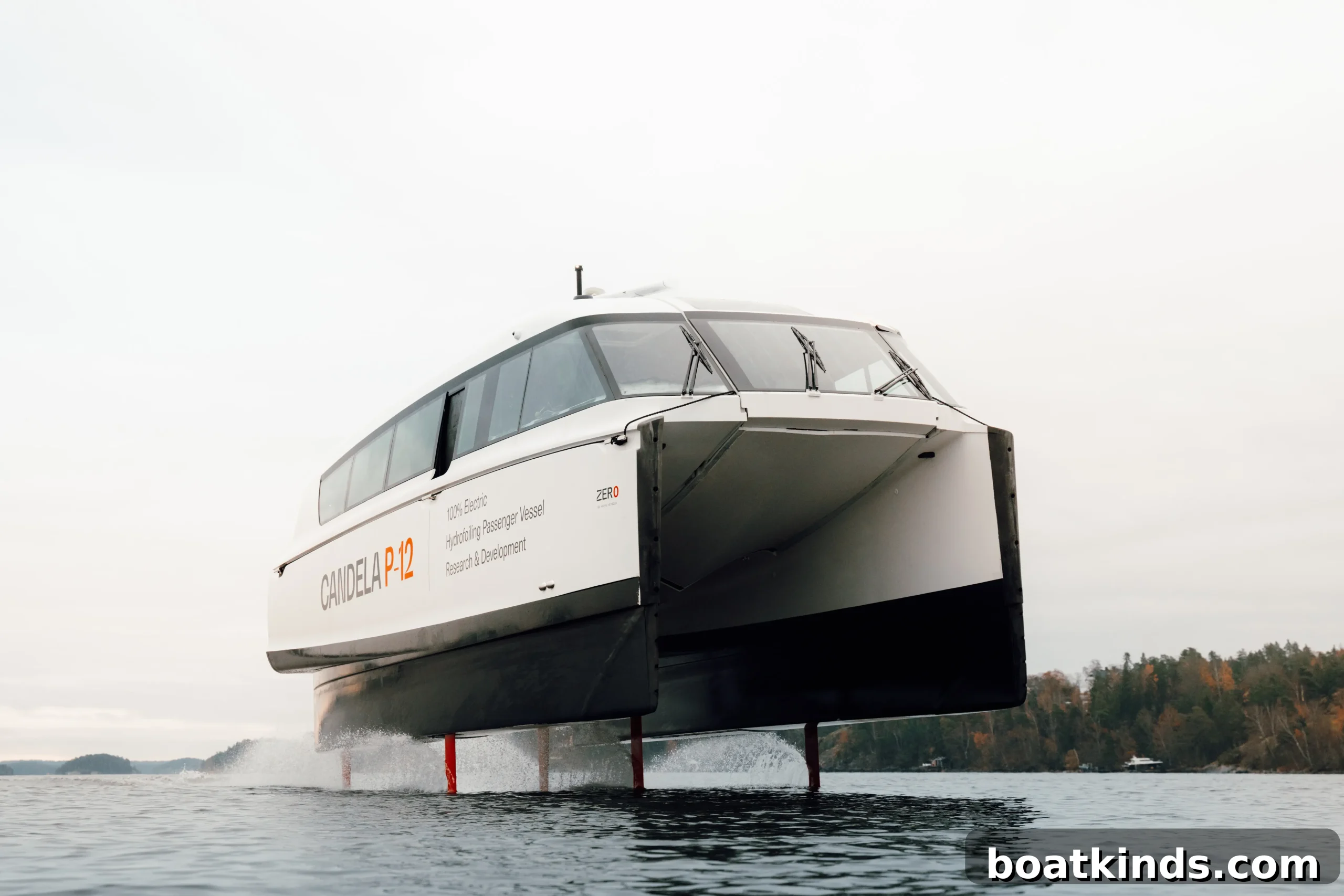
Candela P-12: An Electric Hydrofoiling Passenger Vessel
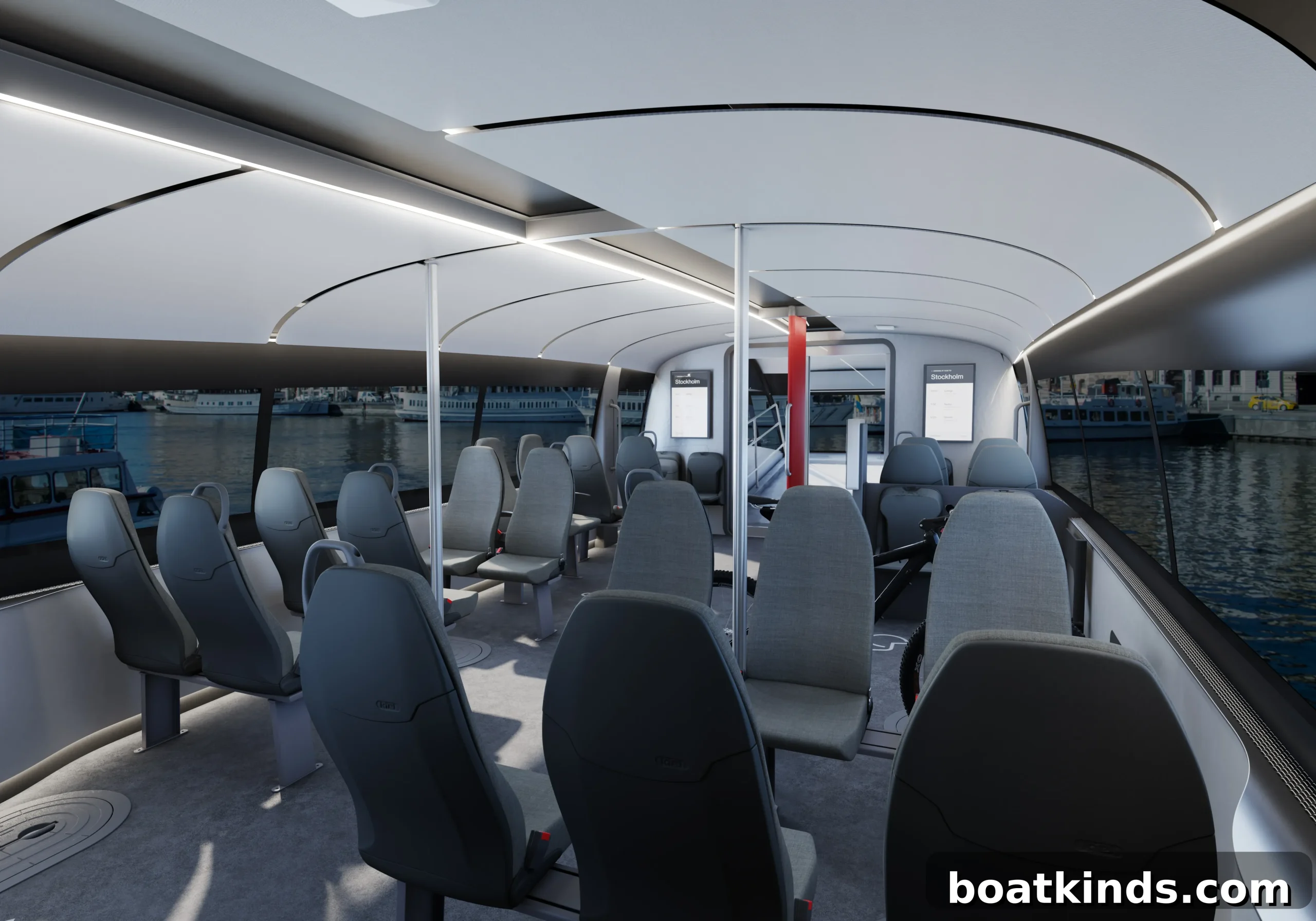
The Candela P-12 is a 39-foot (approximately 12-meter) electric passenger vessel with a beam of 14 feet 7 inches. Designed to carry up to 30 passengers, the P-12 blends hydrofoil technology with battery-electric propulsion to deliver a quieter, more efficient alternative to traditional diesel ferries and passenger boats.
How the Hydrofoiling System Works
The P-12 relies on computer-controlled hydrofoils that lift the hull above the water as speed increases. By rising on its foils, the vessel dramatically reduces hydrodynamic drag, which in turn lowers energy consumption, increases cruising speed, and delivers a smoother ride for passengers—especially in choppy conditions. Candela reports that the P-12 consumes roughly 80 percent less energy than conventional passenger vessels of similar size when operating at 18 knots or higher.
Performance, Range, and Propulsion
The vessel is powered by a 252 kWh battery pack that provides a stated range of 50 nautical miles. Twin Candela C-POD MAX drive units, rated at a combined 340 kW, give the P-12 a top speed of around 30 knots. Because the design produces very little wake, it helps minimize shoreline erosion and reduces potential impact on nearby moored craft, a notable advantage for operations in coastal and inland waterways.
Accessibility and Maneuverability
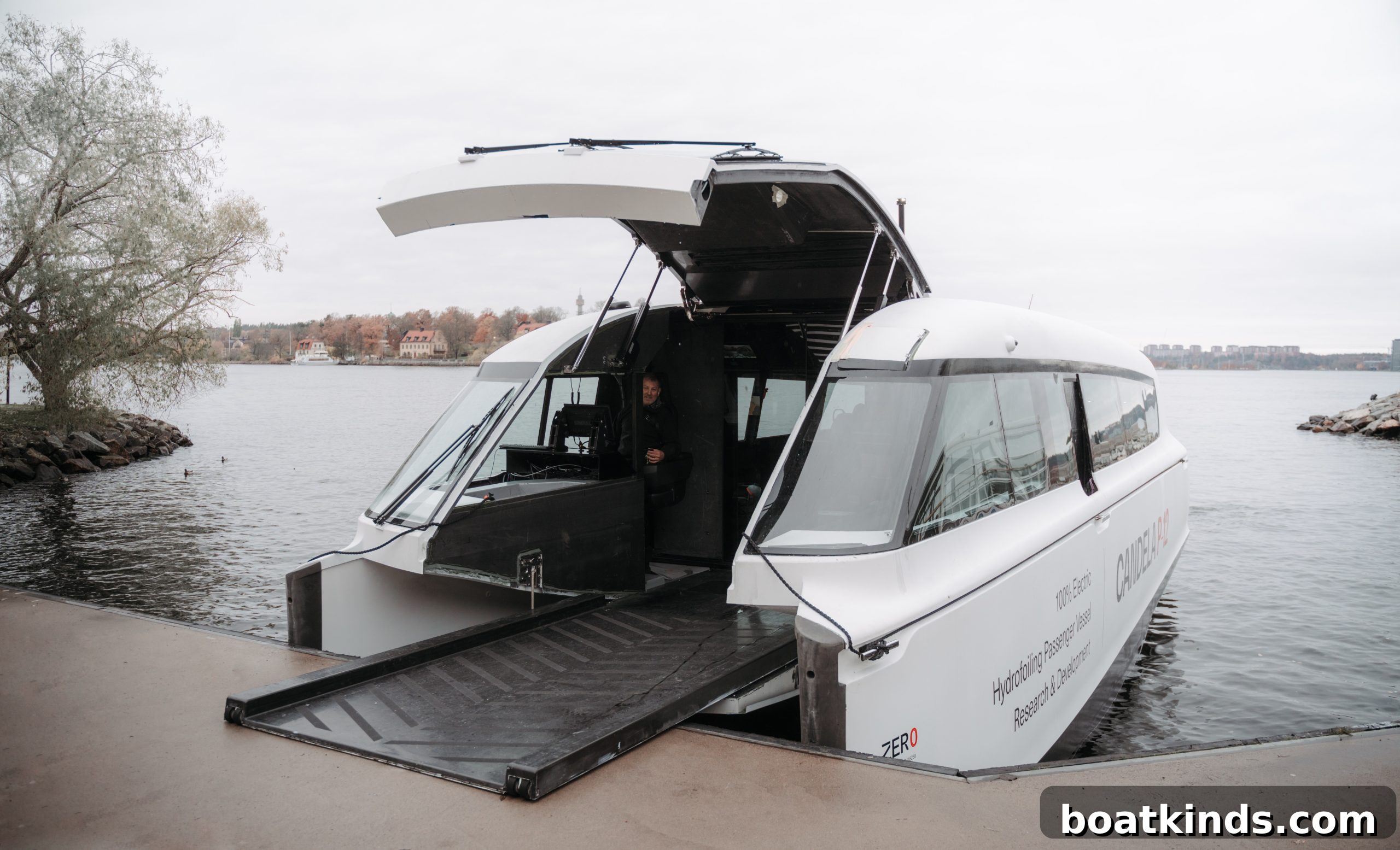
Accessibility is a key part of the P-12 design. An adjustable bow ramp accommodates a variety of dock heights, enabling easier boarding for passengers, including wheelchair users or those with reduced mobility. The vessel’s propulsion and control systems also allow for lateral movement, simplifying berthing and close-quarters maneuvering at busy docks.
Variants and Commercial Use
Candela plans to offer the P-12 in three configurations to suit different operator needs: the P-12 Shuttle for high-frequency routes, the P-12 Business for premium or corporate transport, and the P-12 Voyager for longer excursions or leisure services. The vessel is engineered for single-crew operation, simplifying staffing requirements for commercial operators.
The listed price for the P-12 is approximately $1.86 million. Despite the purchase cost, Candela emphasizes the P-12’s lower operating expenses compared with diesel-powered vessels. The company projects significantly reduced energy costs—up to around 90 percent lower than comparable carbon-fueled boats—thanks to hydrofoil efficiency and electric propulsion. Operators can also expect reduced noise and maintenance from fewer moving parts in electric drivetrains.
Production and Availability
Following successful flight tests in Stockholm, the P-12 design entered serial production at Candela’s Rotebro facility in Sweden. The first production models were scheduled to become available in 2024, marking a step toward wider commercial adoption of electric, foil-borne passenger transport.
Environmental and Operational Benefits
By combining hydrofoils with all-electric propulsion, the Candela P-12 addresses several operational priorities for modern ferry services: cutting energy consumption, lowering local emissions and noise, reducing wake impact, and improving passenger comfort. These attributes make the P-12 particularly attractive for urban waterways, island routes, tourist services, and other routes where sustainability, passenger experience, and shoreline protection are important considerations.
With its focus on efficiency, accessibility, and commercial viability, the P-12 represents a significant innovation in passenger vessels—an example of how electric and foil technologies can be integrated to create quieter, cleaner, and more cost-effective marine transport options.