
Bauxite may not be a glamorous ore — it looks like a dull, ordinary rock — but when refined and combined with other metals it becomes aluminum, a remarkable boatbuilding material. Aluminum is strong yet light, resists corrosion, is easy to work with and simple to maintain. Before fiberglass became dominant in the 1950s, aluminum was the preferred choice for people who wanted a durable, low-maintenance yacht. Today aluminum is enjoying renewed interest as boatbuilders and owners rediscover its practical advantages.
First, Some History
During the boating boom of the 1950s and 1960s, fiberglass emerged as a revolutionary construction material. Marketed as rot-free, low-maintenance and moldable into attractive shapes, fiberglass allowed manufacturers to produce boats quickly and at lower cost once the molds were created. That speed and economy pushed fiberglass to the forefront of the recreational boat market and led many buyers to stop considering other materials.
Fiberglass changed the industry because it made boats accessible to beginners: easy to maintain, user-friendly and visually appealing. Yet the one-off, custom and heavy-duty sectors never abandoned metal. Thousands of riveted aluminum pontoons, jon boats, skiffs and canoes continued to be produced because they endure hard use in shallow or rocky waters that would damage other materials. Welded aluminum remained a mainstay for custom sailboats and powerboats, and many commercial vessels were built of aluminum or steel to withstand demanding service. Builders often preferred aluminum over steel because it requires less maintenance and does not rust in the same way — paint became optional for many aluminum boats.
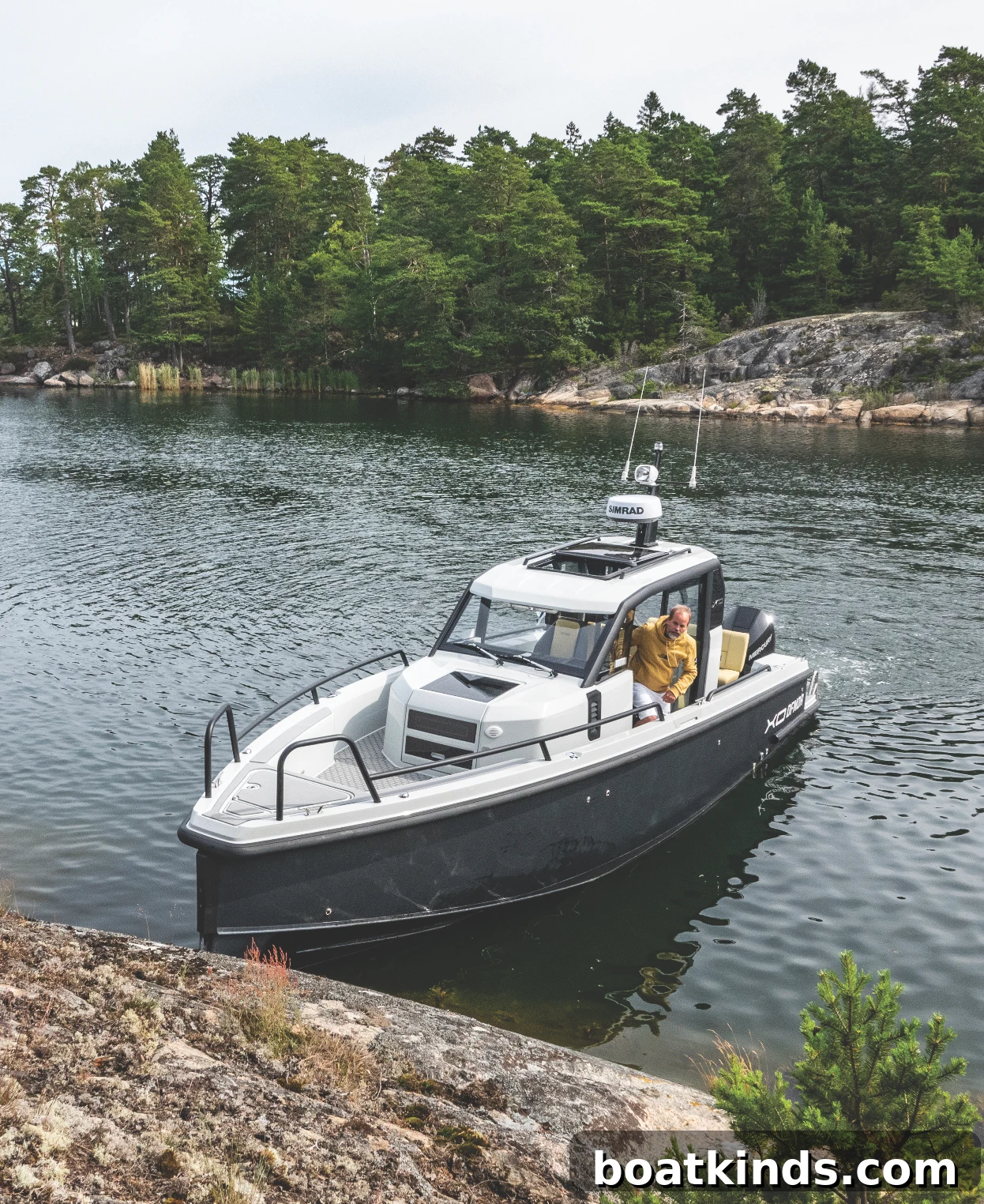
Those practical traits still make aluminum attractive today. In places such as the Lewis-Clark Valley near Clarkson, Washington — sometimes called the Welded Aluminum Boat Capital of the World — local builders craft boats designed to take knocks from rapids, snags and submerged logs. Aluminum’s capacity to deform and absorb impacts often means only a dent rather than a catastrophic failure, and many of those dents can be hammered out at the yard. Paired with a jet drive, a shallow-draft aluminum hull is capable of reaching remote waters and returning in one piece.
Metal for Marina Queens
Most pleasure-boat owners don’t navigate rapids or scrape over rocks, so what does aluminum offer to someone who enjoys day cruising or spends most of their time on the marina? First and foremost, aluminum is low maintenance. It doesn’t require waxing, polishing or constant gelcoat repairs. Aluminum boats are typically painted or powder-coated, and both finishes need only routine cleaning to remove salt and grime. Many owners embrace the utilitarian look and leave the topsides bare to naturally develop a protective gray oxide layer — a choice that avoids the time and expense required to produce a yacht-like finish.
Aluminum is more abrasion-resistant than gelcoat-covered fiberglass, so minor contact while docking often results in little or no lasting damage. Extruded aluminum rubrails perform well at protecting hulls compared with hard rubber rails on some fiberglass boats. Aluminum tenders, RIBs and skiffs can be beached without fear of major harm; at worst you might lose a bit of antifouling that’s easy to touch up. If paint or oxide is scraped away to expose bare metal, aluminum quickly forms a stable oxide layer in air and will not continue to corrode like steel. That means repainting can wait, whereas a damaged gelcoat on fiberglass that penetrates the laminate may allow water ingress and, in colder climates, freeze-related problems.
Another advantage is that aluminum decks and hulls don’t suffer from core rot or osmosis. Many fiberglass boats use cored construction to save weight and gain stiffness, but if the core gets wet it can degrade and cause delamination — a costly repair. Aluminum construction has no hidden cores where moisture can hide; the structure is solid and accessible.
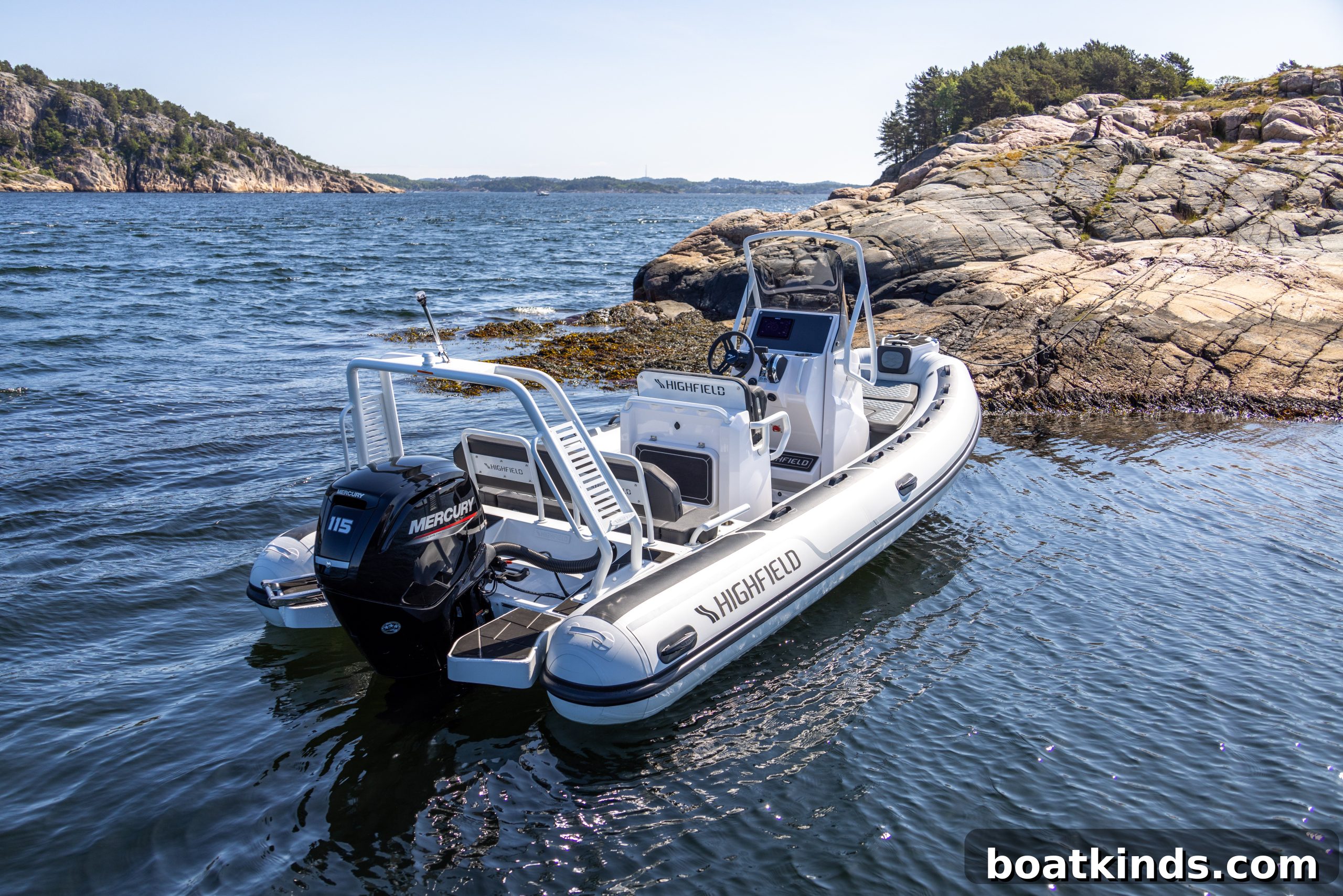
Repairs to aluminum are straightforward and durable. Damaged plating can be cut out and a new plate welded in; modern 5000-series alloys retain most of their strength after welding, and a skilled technician can place welds in less-stressed areas or add support from underlying structure. Unlike some fiberglass repairs, which require precise resin selection, surface preparation and backing to avoid delamination, aluminum welding produces strong, inspectable joints. Worn or poor welds can be detected and corrected, and alloy composition can be sampled to confirm the proper material was used — useful when surveying a boat.
Aluminum Options
There are eight series of aluminum alloys, numbered 1000 through 8000, but most vessel builders work with two groups: the 5000 and 6000 series. The 5000-series alloys rely on magnesium as the primary alloying element; common marine alloys include 5052, 5083 and 5086. These alloys typically contain up to about 4.5 percent magnesium by weight, with the balance roughly 95 percent aluminum and small amounts of chromium, silicon and manganese. Their corrosion resistance and weldability make them ideal for hull plating and structural members.
Alloy 5052 is more ductile and more economical than 5083 or 5086, so builders often use it for decks, cabin sides, tanks and areas where the plate must be bent or shaped. Alloys 5083 and 5086 offer greater strength and are commonly used where structural integrity is paramount. The 6000-series, notably 6061, contains more silicon and less magnesium. Alloy 6061 is frequently used for rails, hardtop frames, arches and spars; it has strong initial properties but loses a substantial portion of strength in welded joints, so it’s chosen where weld strength is less critical.
Long Life and Recyclability
Aluminum’s lifecycle is another compelling reason to choose it. Aluminum can be recycled repeatedly without losing its properties, and many “new” aluminum boats incorporate recycled metal. Fiberglass can also be recycled, but the process is more difficult and less common; discarded fiberglass is often downcycled into fillers for other industries. By contrast, recycled aluminum returns to the supply stream virtually as good as new, making it a more circular choice for environmentally minded owners and builders.
All of this shows that bauxite — the ore behind aluminum — may look unremarkable in the ground, but once refined it produces a highly practical boatbuilding material. Aluminum delivers strength, light weight, corrosion resistance, easy repairability and recyclability, which is why it remains a favorite for many boatbuilders and owners.
This article was originally published in the November 2024 issue.