KEY TAKEAWAYS
Target cool, structured areas
During hot summer months, striped bass move to deeper, cooler water or shaded structure—ledges, holes, bridge pilings, reefs and breakwaters provide thermal relief and ambush points.
Tide movement is critical
Stripers feed when water moves. Without current, fish often refuse to bite. Use tide charts or apps to find flowing water and be ready to relocate to stay on active fish.
Strike early with topwater tactics
Just before and after sunrise, many stripers push shallow to hunt. Topwater plugs, poppers and surface flies are most effective during these windows—watch for diving birds and bait schools to locate activity.
Rig light, fish smart
Light spinning or baitcasting rigs with soft plastics work well; fly anglers should use 7–9 weight rods with floating and sinking lines. A 16–20 lb fluorocarbon leader helps with stealth and abrasion resistance.
Go natural with live bait or chum
Chumming with chopped menhaden and live-lining spot can produce aggressive eats. Handle and release warm-water fish quickly to reduce stress and improve survival.
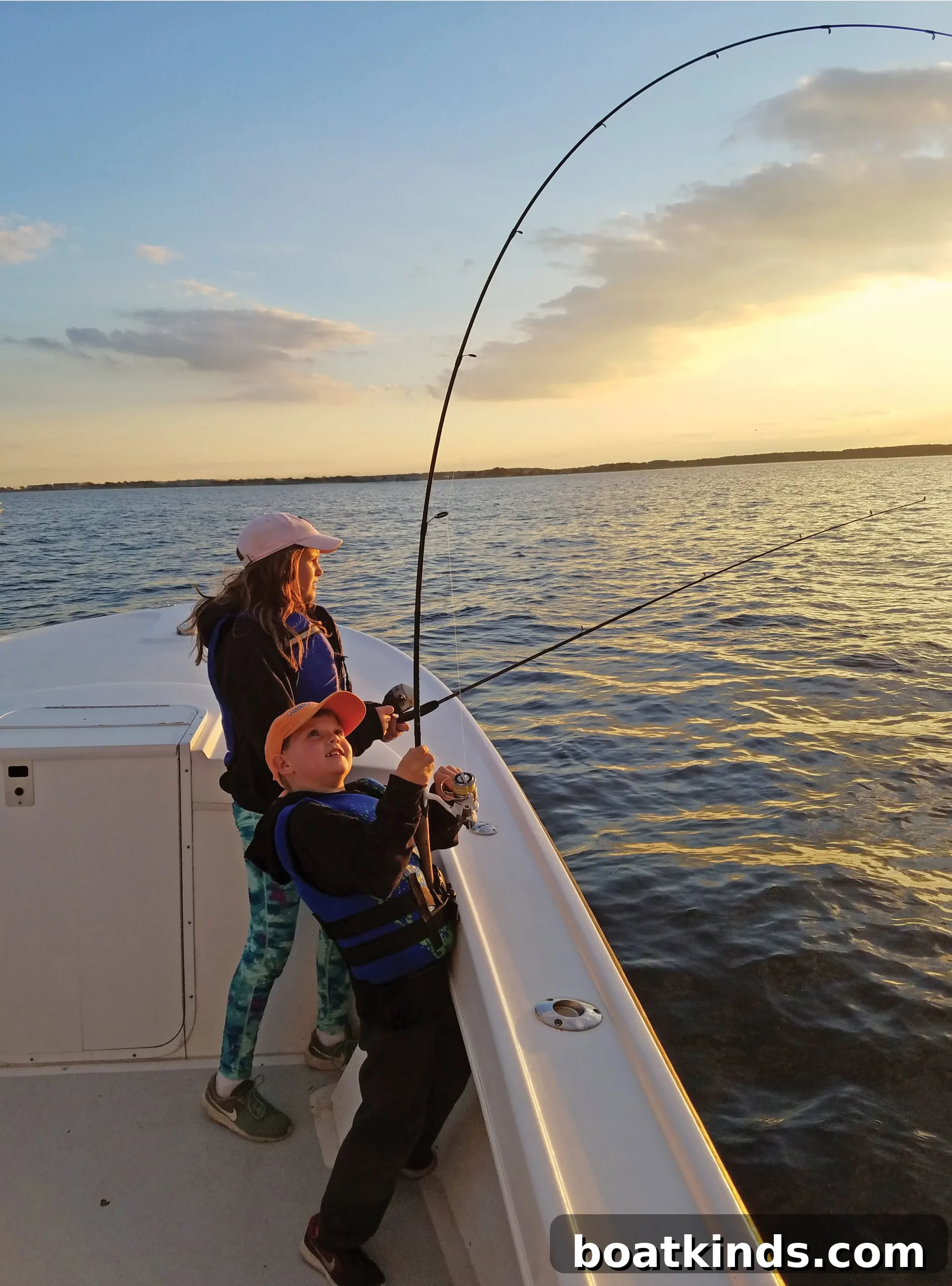
A still, sun-drenched morning on Chesapeake Bay can feel endless as you drift along the grass-lined edges of Goose Island. From far offshore the surface may look calm, but the right seam or piece of structure can hide productive striper water. On a typical summer day, however, those fish are often stubborn—visible surface activity can disappear quickly, and long casts into a promising seam can go unanswered.
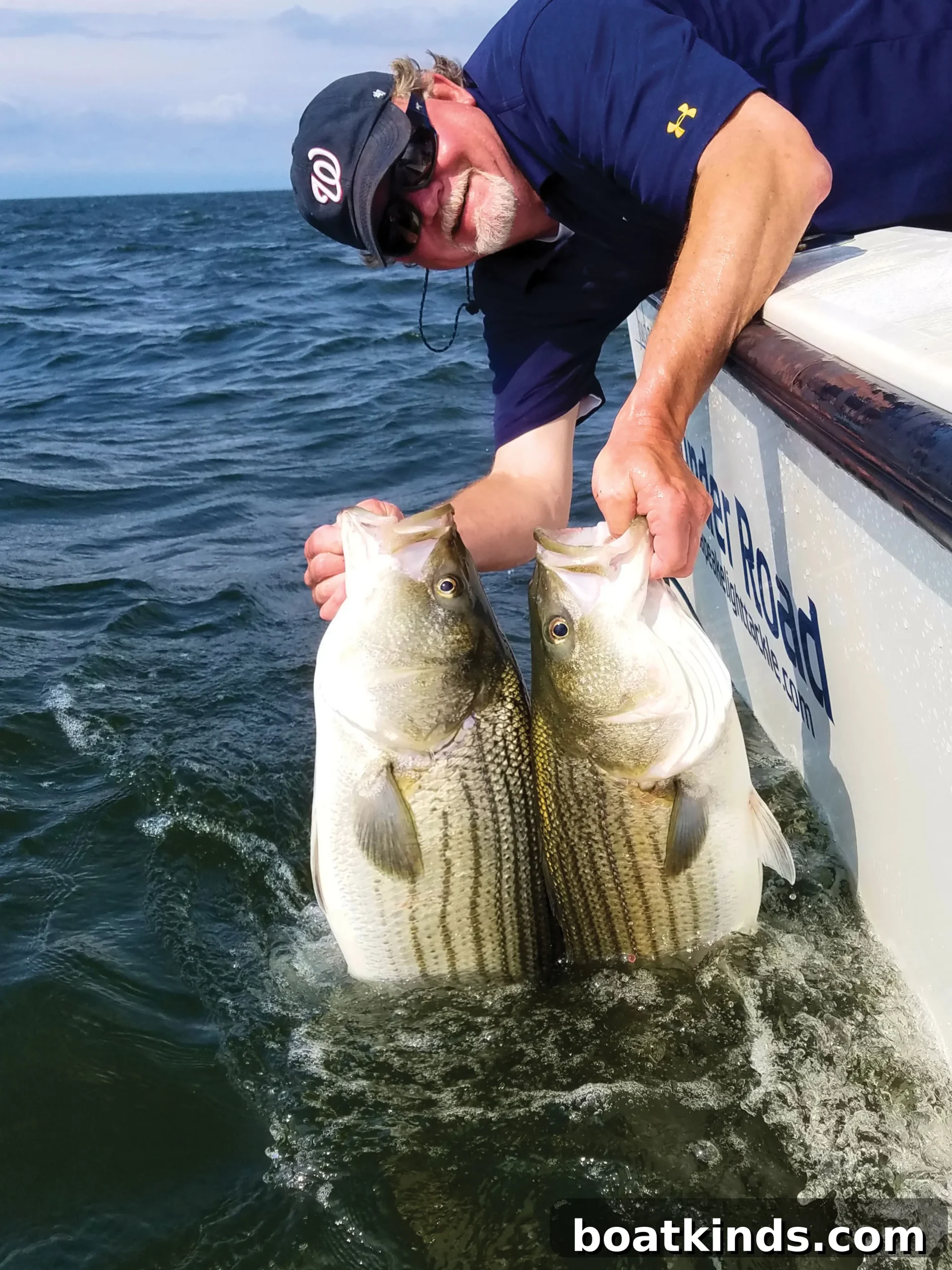
Summer striper fishing on the Bay is frequently challenging because striped bass change behavior when water temperatures climb into the mid-80s. They seek out cooler pockets and pockets of current, and they concentrate around structure where bait congregates. With the right approach, though, summertime stripers can be plentiful and powerful, giving anglers memorable battles.
Striped Bass Psychology
Understanding what summer stripers want helps you find and catch them. When the water heats up, stripers head for cooler refuges—deeper holes, shaded spots beneath bridges and piers, and areas with fast drop-offs. They also favor any structure that offers ambush opportunities: rock piles, oyster bars, manmade reefs, pilings and breakwaters.
Shallow water can be very productive, especially at first light. Nighttime cooling often draws stripers into flats and shoals to feed on concentrated bait. Early-morning topwater action—using gurglers, poppers, plugs or crease flies—can trigger explosive strikes. Keep an eye out for seabirds working bait; birds and diving fish often reveal where stripers are actively feeding.
Current Is Key
Current often makes the difference between a quiet workout and a frantic bite. Stripers prefer feeding where water moves—tidal seams, edges of ebb or flood flow, and around points where current accelerates. Even if your sonar shows fish, slack water will frequently result in blank hooks.
Don’t be afraid to move to find current. A short run to a nearby tidal flow can convert a lifeless patch into a hot zone. Use tides and current forecasts to plan your trip and target windows when movement is strongest for the area you’ll be fishing.
Gearing Up
Summer tackle for Chesapeake stripers is similar to other seasons, but favor lighter, more responsive gear that lets you present lures cleanly and feel subtle strikes. Spinning or baitcasting outfits matched to lead jig heads and soft plastics are effective for tight-structure fishing and casting to seams.
Fly anglers commonly carry two set-ups: a 7- to 9-weight, 9-foot fast-action rod with a wide-arbor reel and solid drag. Rig one rod with floating line for topwater flies and a second with full-sinking or intermediate lines for subsurface patterns like Clouser Minnows, Deceivers and weighted streamers. If you only have one rod, carry an extra spool with floating line so you can switch quickly during a bite window. Use an 8–10 foot, 16–20 lb fluorocarbon leader for most bay situations—stripers tolerate heavier leaders and abrasion resistance often saves fish on structure.
Got Bait?
Live and cut bait remain powerful options in summer. Live-lining spot—caught with a weighted double bottom rig or cast net in oyster bars and shoals—can present a natural, lively offering. Hook spot through the tail, nose or behind the dorsal depending on whether you want the bait to swim high or low in the column.
Chumming with chopped menhaden from a bag or bucket creates a slick that attracts stripers. As the chum disperses, drift a chunk on a 10-foot, 30 lb fluorocarbon leader with a 6/0 circle hook back through the slick; add a drop-shot weight in strong current to hold your bait in the strike zone. Fly anglers can also deploy small chum devices and strip flies through the feeding activity to trigger aggressive eats.
A Final Word
Warm water increases post-release mortality, so practice careful handling. If you plan to release fish, keep them in the water as much as possible, minimize handling, and revive them promptly before letting them swim away. Quick, gentle release dramatically improves survival for fish caught in high temperatures.
Even in peak summer heat, the Chesapeake offers consistent opportunities for striped bass—whether you favor lures, flies or bait. Focus on cool, structured water with active current, time your topwater efforts for early morning, and match your gear and bait to the conditions. With patience and the right tactics, summer striper fishing on the Bay can be both productive and unforgettable—you might even forget how hot it feels.
Summary:
Chesapeake Bay striped bass remain catchable in high summer if you target cool, structured water with active tidal flow, use topwater tactics early, and adapt gear and bait to conditions. Handle fish carefully to maximize survival in warm water.
This article originally appeared in the September 2017 issue.